
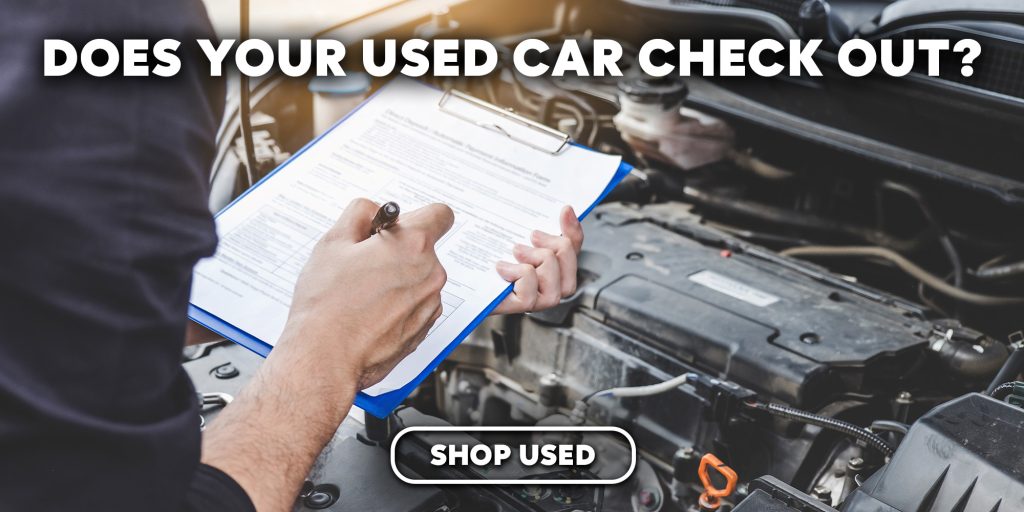
Essential Guide To A Thorough Used Car Inspection
If you’re thinking about purchasing a pre-owned vehicle, it’s important to inspect it for a variety of issues in order to know what you’re getting yourself into. From the exterior to the interior, knowing the vehicle you intend to drive will allow you to harness a better understanding of the work that may need to be done to it and provide you with clarity. Whether you’re selecting a Ford, Nissan, INFINITI, Chrysler, Dodge, Jeep, Ram, or another used model, it’s crucial to conduct a thorough used car inspection. Visit any of the dealerships that Crossroads Automotive Group has in North Carolina and Virginia, and our knowledgeable staff will guide you through the purchase of a used car inspection when you select your ride.

Why a Used Car Pre-Purchase Inspection is Crucial
A pre-purchase inspection is a smart investment that can save you from costly headaches down the road. By providing a detailed report on a used car’s condition, it empowers you to negotiate a fair price or walk away if necessary. This invaluable tool can uncover hidden damage or accident history, ensuring transparency and peace of mind, especially when buying from private sellers or online. Don’t let potential problems derail your car-buying journey; take control with a pre-purchase inspection.
What Questions You Should Ask
At a Dealership: To ensure a worthwhile inspection, ask pertinent questions about the vehicle’s mileage, features, condition, accident history, maintenance records, and open recalls. High or low mileage can indicate specific usage patterns, while features and condition provide insights into the vehicle’s overall quality. Accident history and repair details should be verified with a vehicle history report. Maintenance records, including receipts and odometer readings, highlight the car’s care. Checking for open recalls and their resolution status is crucial for safety. By asking these questions from the staff in any of Crossroads Automotive Group’s multiple locations, you can make an informed decision about the vehicle’s suitability.
From a Private Seller: When dealing with private sellers, ask about their ownership history, primary driver, and reason for selling. A clear ownership history with verifiable maintenance records is ideal. Meeting the primary driver can provide insights into their driving habits and car care. A plausible reason for selling, rather than an evasive or overly complex one, is a positive sign. By asking these questions, you can gain valuable information about the vehicle’s history and potential issues.
It’s important to note that the Federal Trade Commission mandates that car dealers display a Buyer’s Guide on used vehicles, detailing important information like warranty coverage and repair cost responsibilities. This guide takes precedence over any conflicting contract terms, ensuring dealer accountability for promised warranties. As-is sales, which exempt dealers from post-purchase liabilities, are often restricted by state laws for higher-priced vehicles. Understanding the Buyer’s Guide is crucial for informed used car purchases.
Time to Inspect
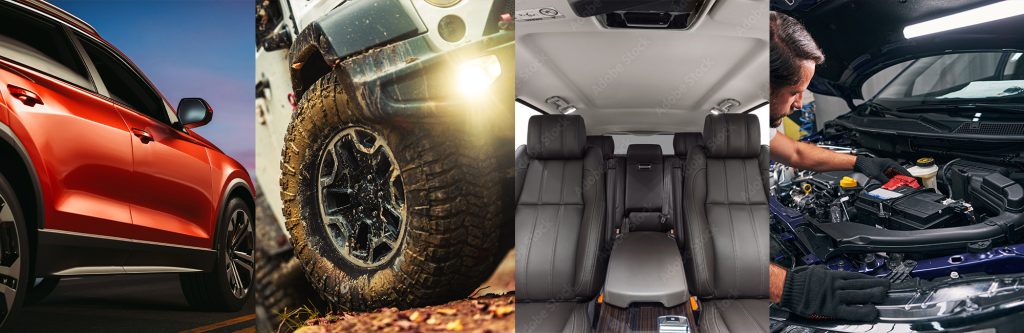
Before we get into the used car inspection list, make sure to conduct it in daylight on a dry day, preferably on a leveled surface, and allow the car to cool for at least an hour. This ensures you get optimal viewing conditions to identify potential issues that may be hidden under less favorable circumstances.
Exterior
Body Condition: Inspect the vehicle for damage, misalignment, and rust, paying close attention to paint consistency and rubber seals.
Glass: Check the glass for cracks, chips, and damage, especially the windshield.
Suspension: Assess the vehicle’s levelness, shock absorber function, and tire play for signs of wear and tear.
Lights and Lenses: Ensure all lights are working and the lenses and reflectors are intact and clear.
Tires: Evaluate tire age, brand consistency, tread wear, and sidewall condition, and check the spare tire and tools.
Under the Car: Look for fluid leaks, exhaust residue, and signs of structural damage, including rust and recent repairs. Inspect CV joint boots for damage.
Interior
Odor: Sniff for musty, moldy, or acrid smells indicating water damage or smoking.
Seats: Check all seats for wear, proper function, and comfort, including rear seats and folding mechanisms.
Pedals: Assess pedal rubber wear for indications of driving habits.
Instruments and Controls: Verify warning light function, engine starting and idling, and the operation of all switches, buttons, and levers. Test heater and air conditioning performance.
Sound System: Check radio reception, CD player function, and smartphone connectivity, including Android Auto™ and Apple CarPlay®.
Roof: Inspect the headliner and roof trim for water damage, and test the sunroof or moonroof operation and seal.
Trunk: Sniff and visually inspect the trunk for water damage and rust.
Under the Hood
Hoses and Belts: Inspect rubber hoses for firmness and cracks, and check drive belts for fraying.
Fluids: Check engine oil, transmission fluid, power steering fluid, brake fluid, and coolant levels and condition.
Battery: Assess battery health using a charge indicator or by checking fluid levels. Consider a professional battery test, especially for older batteries.
Electric Vehicles and Hybrids: Ensure full battery charge before a test drive and monitor battery charging/discharging behavior in hybrids.

Meeting With A Mechanic
Whether you decide to inspect your next vehicle yourself or not, it’s crucial to have a used car inspection conducted by a trusted mechanic. This inspection will cost you money, but it’ll be worth it. You’ll receive a comprehensive report on the vehicle’s condition, including any necessary repairs. Insist on this inspection, even if the seller claims the car has already been checked. If dealing with a private seller, offer to accompany them to the inspection. A reputable auto parts store can recommend a reliable mechanic if you need assistance finding one.
All Boxes Checked?
Thorough research and investigation are key to ensuring a smooth used car purchase. Online research is a great starting point to identify potential vehicles. Direct communication with private sellers or through the dealerships that are part of Crossroads Automotive Group will allow you to assess the vehicle’s condition and history. By following these steps and securing a test drive, you can increase your chances of finding a reliable used car from our diverse inventory of Ford, Nissan, INFINITI, Chrysler, Dodge, Jeep, Ram, and more!

