Blog / Crossroads Automotive Group

Best Types of Cargo Vans for Businesses

Your Guide To The Best Business Vans To Use

When it comes to running a successful business, especially one that relies on transporting goods or equipment, choosing the right cargo van is essential. The van needs to be reliable, spacious, fuel-efficient, and equipped to handle the demands of your business. Among the most trusted brands for cargo vans are Ford and Ram. Crossroads Automotive Group has put together a guide outlining some of the best types of cargo vans each brand has to offer. They'll be evaluated on size, reliability, commercial capabilities, and overall value. Let's get started!

Does Your Business Need a Cargo Van?

Cargo vans come in a variety of sizes, configurations, and use different powertrains to meet the needs of different business types. When considering the best types of cargo vans for your business, you should prioritize reliability, payload capacity, ease of access, and fuel efficiency. There are generally two categories of cargo vans: small cargo vans and full-size cargo vans. As you read on, it's wise to identify which style of van your business needs to help you budget for fleet expenses and maintain high standards during daily operations. Small cargo vans are ideal for urban deliveries or businesses with less equipment to haul. These vans provide excellent maneuverability and fuel efficiency, making them suitable for businesses that need to make frequent stops in congested areas. Full-size vans are preferred by larger businesses with heavy-duty needs or those that need to transport larger quantities of goods or equipment.

Most Reliable Cargo Vans

When selecting the best types of cargo vans for your business, reliability is one of the most critical factors. A van that frequently breaks down can cause delays and damage your reputation. Let's take a look at some of the most reliable cargo vans out there.

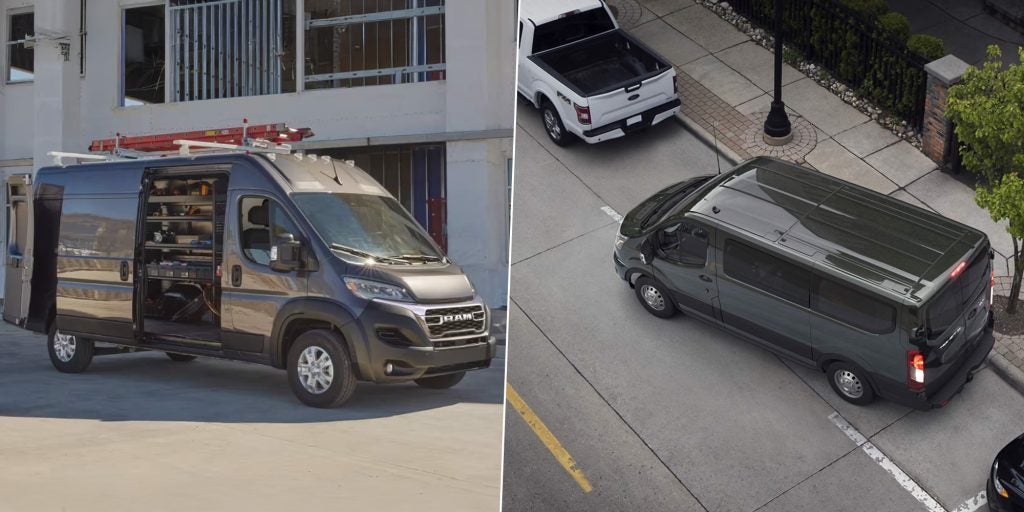
Ford Transit: Often regarded as one of the best transit vans for business, Ford has a long history of producing durable, well-built vehicles. While continuing that legacy with a reputation for longevity and low maintenance costs, you can secure a Ford Transit and configure it to your business needs, including passenger transport for up to 15 people or for storing tools and heavy-duty equipment with up to 487.3 cu.ft. behind the first row. This is also one of the best cargo vans for contractors, capable of carrying everything needed for the job.

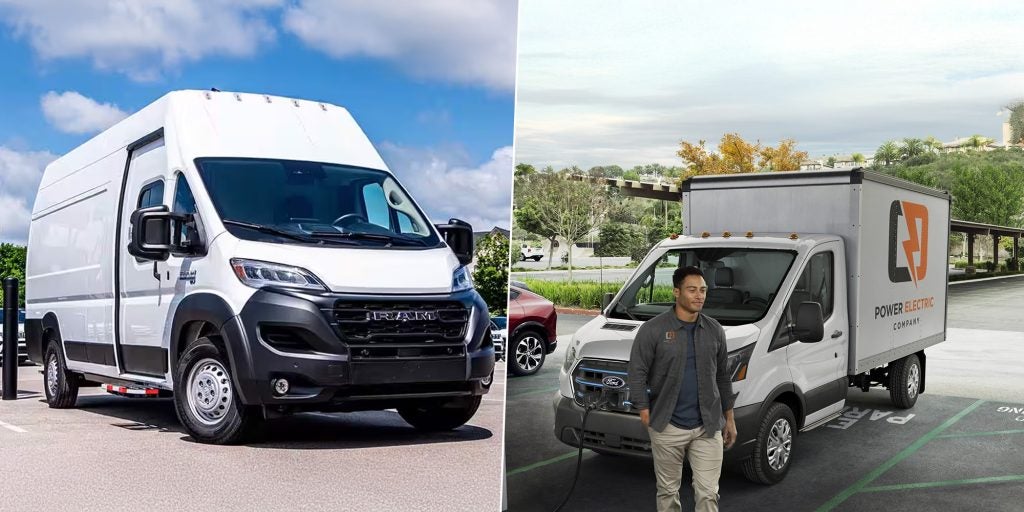
Ford E-Transit: Looking to extend your delivery range while reducing your carbon footprint? The all-electric Ford E-Transit is the perfect solution. With up to 536.4 cu.ft. of cargo space, this van offers plenty of room for your goods. Plus, it can travel up to 159 miles on a single charge, allowing you to complete your deliveries without needing to stop for fuel. It's an efficient, eco-friendly option for businesses aiming to streamline their operations.

Ram ProMaster: Known for its sturdy build and robust performance, the Ram ProMaster is often used by contractors and delivery services. As one of the best commercial vans, its front-wheel drive offers better traction, especially when fully loaded, and its low step-in height makes it easier to load and unload cargo. The Ram ProMaster is a fantastic cargo van for business, especially if you choose to configure it with the Super High Roof option, giving you 86 in. of cargo height and 524 cu.ft. of maximum cargo space.

Ram ProMaster EV: Ram’s all-electric cargo van is one of the best types to throw its hat into the ring. The Ram ProMaster EV is designed to offer businesses a sustainable and efficient transportation solution, with a maximum range of up to 250 miles on a full charge. It also has a maximum payload capacity of up to 5,000 lbs. with up to 3,800 cu.ft. of cargo space, providing ample room for goods while offering an eco-friendly solution.

Best Delivery Vans

For businesses that focus primarily on deliveries, the best commercial vans need to maneuver efficiently, travel with ease, and must be capable of carrying large loads. Among the leading options, the Ford Transit stands out with its optional EcoBoost® engine, which provides excellent power without sacrificing fuel economy. Its multiple configurations, including a low, medium, or high roof, and modern technology make it a favorite among delivery services with a high volume of deliverables. Additionally, configuring a low roof at up to 52.8 in. allows the Ford Transit to be the best small cargo van for your business. The Ram ProMaster also has a standard roof option of up to 66 in. and cargo length of up to eight feet, minimizing your presence on the road, but carrying the necessities.

Meanwhile, the electric cargo van options, including the Ford E-Transit and Ram ProMaster EV, allow you to cover more distance while offering a spacious interior. Thanks to their versatility, you’ll optimize all angles of your delivery route, from time management to the power that’ll carry you through busy streets.

Get the Most Out of Your Fleet

Choosing the best types of cargo vans depends on the specific needs of your company. Whether you're looking for a small cargo van, a reliable delivery van, or a heavy-duty workhorse for contractors, the brands Ford and Ram each offer excellent choices. For small businesses, the Ford Transit and Ram ProMaster with low-roof configurations are top picks for their compact size and efficiency. When reliability and cargo space are paramount, the Ford Transit, Ford E-Transit, Ram ProMaster, and Ram ProMaster EV offer the versatility and strength that businesses need. Ultimately, selecting the right cargo van will help optimize your operations, reduce costs, and ensure your business runs smoothly. Get started by visiting your choice from the dealerships within Crossroads Automotive Group today!

SHOP CARGO VANS

Posted in:

Related Posts

How Our Car Buying Process Works At Crossroads Auto Group

Everything You Need To Know About Buying A Car Buying a vehicle usually feels complicated when the numbers, paperwork, and timing are unclear. For shoppers trying to understand how our car-buying process works at Crossroads Automotive Group, the useful starting point is not the showroom but the sequence of decisions that shape price, payment, and fit. This guide explains the process of buying a car from a dealer in a practical order, so you can move from research to delivery with fewer surprises. Finding Your Next Drive: Following the Steps Of The Car Buying Process Buying a car from a dealer can be easier if you think of it as a series of connected choices instead of just one big purchase. In North Carolina and South Carolina, shoppers often balance rugged driving, family use, commute distance, and winter road conditions, so the right vehicle choice depends as much on use case as on price. A first-time car buyer in North Carolina and South Carolina, can benefit from learning the process of buying a car from a dealer before comparing models, and national consumer guidance emphasizes doing key preparatory work in advance, such as setting a budget and arranging financing. That matters because trade equity, financing terms, taxes, and insurance can change the real cost more than the window sticker alone. What You Can Expect From Our Dealership Car Buying Process Our team organizes the process of buying a car from our dealer into a clear progression: inventory search, payment estimate, trade review, financing application, term review, and final paperwork. The process of buying a car from our dealer is practical for shoppers across North Carolina and South Carolina because it turns broad research into decisions you can verify with numbers. Who This Guide Is For This guide is for drivers who want a method, not just a model list, whether they are comparing a Nissan Armada for family travel or a Jeep Grand Cherokee as a first-time car buyer. The key advantage of a structured process is that it reduces emotional overspending by forcing each vehicle choice to pass a budget test. What You Will Have By the End By the end, you should know what information to gather, which online tools to use, and what to expect before signing. If you are considering something like a Dodge Charger, that preparation helps you separate lifestyle appeal from the full ownership cost. Step 1: Narrow Your Vehicle Search With Real-World Needs The process of buying a car from a dealer starts with filtering our vehicle inventory by purpose, not by impulse. A new vehicle may offer the latest features, while a used vehicle can change the budget equation, but vehicle condition and a CARFAX Vehicle History Report™ often matter more than age alone when comparing options like a Ford Explorer. Choose New, Used, or Certified Pre-Owned A new model may suit a shopper who wants current technology, warranty coverage, and a predictable maintenance schedule. A used or certified pre-owned model can make sense when purchase price matters more than having the newest model year. Match Capability to Your Driving in the Carolinas Capability should match the roads and routines you actually have, not the ones you imagine a few times a year. A Ford F-150 may suit towing, work use, or rural property needs, but a truck’s size, fuel costs, and parking footprint should still fit daily life throughout North Carolina and South Carolina. Step 2: Turn Research Into Numbers With a Payment Estimate A vehicle choice becomes real when you convert it into an estimated monthly payment using down payment, term length, and financing assumptions. This step in the process of buying a car from a dealer matters because a test drive can confirm comfort, but only payment planning confirms sustainability. How to Use Our Payment Calculator Our payment calculator helps you test scenarios by adjusting price, down payment, and loan length before you visit. Changing the trim level often changes payment more than shoppers expect, because higher trims typically raise the purchase price and, if you finance the difference, increase the amount financed and total interest paid over the life of the loan. Common Payment Planning Mistakes to Avoid The most common mistake in the process of buying a car from a dealer is shopping for a payment target without checking the total financed amount and the loan term. Another is choosing more towing capacity than you need, then absorbing higher purchase and operating costs for a capability you rarely use. Step 3: Value Your Trade and Understand Equity Trade-in value affects both the deal structure and the monthly budget, so it should be reviewed early, not at the end, if you’re planning to trade in your vehicle for an upgrade. Knowing your trade-in value up front can help set a realistic budget and reduce how much you need to finance. Positive equity can reduce what you finance, while negative equity can increase the next loan balance, which is why the process of buying a car from a dealer should include a realistic trade analysis. Start Online, Then Confirm In Person You can begin a trade-in estimate online, then confirm condition and market factors in person, since trade-in offers depend on factors like age, mileage, and condition. Pairing a trade review with online pre-approval provides a clearer picture of affordability, as both vehicle value and borrowing capacity shape the final numbers. What to Bring for a Trade Appraisal Bring the title, if available, registration, both keys, and service records if you have them. You should also know the payoff amount on any current loan, because equity cannot be calculated accurately without the remaining balance. Step 4: Apply for Financing and Get Pre-Approved Before You Visit Pre-approved financing gives structure to the process of buying a car from a dealer by setting realistic boundaries before you choose a vehicle, and it can strengthen your negotiating position by helping you focus on the car’s total price rather than being steered only by monthly-payment tactics. Loan term, estimated rate range, and approval amount help you compare options based on total cost, not just monthly payment. What Pre-Approval Helps You Decide In the process of buying a car from our dealer, pre-approval helps you evaluate whether a vehicle fits your likely credit approval range and expected APR. That matters because a lower-priced vehicle with a shorter term can sometimes cost less overall than a slightly cheaper payment stretched over more years. Where to Apply Online Our online pre-approval page lets shoppers submit financing information before arriving at the store. Early rate visibility is useful because even a modest change in interest rate can materially alter total repayment over the life of the loan. Step 5: Review Options With Our Finance Department Once a vehicle and application are in place, our finance department helps connect the numbers to actual lending options. A lender network is useful here because financing is not one figure but a set of terms, and the process of buying a car from a dealer becomes clearer when each term is explained in plain language. What We Review Together We review loan length, estimated payment, available structures, and how credit history may affect the offer. That conversation matters because shoppers often focus on approval itself, while the long-term impact usually comes from term length, rate, and total financed amount. Finance Department Reference Page Our finance department reference page and credit application tools help shoppers organize the process before signing. Using those resources early can reduce delays, especially when buyers need time to carefully compare options. Step 6: Finalize Paperwork, Delivery, and Follow-Through The final stage of buying a car from a dealer includes paperwork review, signatures, fees, registration details, and delivery timing. This is where small omissions create delays, so organized documents usually matter as much as the financing decision itself. What to Bring on Purchase Day Bring your driver’s license, proof of income if requested, current registration for a trade, and any lender or insurance documents already discussed. You should also be prepared for taxes, title items, and standard purchase-related fees that affect final out-the-door figures. After You Choose the Vehicle, What Happens Next After the vehicle is selected, final figures are confirmed, documents are signed, and proof of insurance is usually required before delivery is completed. This stage is straightforward when earlier steps were handled in order, which is why preparation shortens transaction time. Common Questions and Missteps We Help Shoppers Avoid The biggest errors in the process of buying a car from a dealer usually stem from incomplete preparation, not from the vehicle search itself. Common mistakes include skipping research, failing to set a budget, and not lining up financing before visiting dealers. Shoppers often arrive without a driver’s license, trade payoff details, or a clear budget, and those missing pieces slow down decisions that could otherwise move quickly. A Simple Prep Checklist Use this checklist before you shop: Set a realistic budget. Estimate payment online. Value your trade. Apply for financing. Bring identification and insurance details. Key Takeaways and Next Step The process of buying a car from a dealer works best when each step answers a different question: what fits, what it costs, what your trade changes, what financing allows, and what paperwork completes the purchase. For shoppers learning how to buy a new car from a dealership, that sequence creates clarity by replacing guesswork with verified information. Recommended Order of Operations Start with vehicle research, then estimate payment, value your trade, complete pre-approved financing, review terms, and finalize delivery. The process of buying a car from a dealer is simple when followed in order, and that order helps North and South Carolina shoppers make decisions with fewer last-minute changes. Visit Crossorads Automotive Group to get started today! FAQ s What are the steps in the car-buying process? The steps of the car-buying process usually include choosing a vehicle, estimating payments, valuing a trade, applying for financing or getting pre-approved, reviewing terms, and then signing paperwork and taking delivery. Following that order makes it easier to track the process of buying a car from a dealer. What is the $3,000 rule for cars? Many shoppers use it as a personal budgeting guideline, often as a target down payment or emergency cash buffer, but it is not an official lending rule. The right amount depends on your cash flow, trade equity, and total ownership costs. What is the biggest mistake that first-time car buyers make? A common mistake is focusing only on the monthly payment. Loan term, fees, insurance, the total financed amount, and any negative equity can significantly change the real cost. GET PRE-APPROVED

New vs. Used vs. Certified Pre-Owned: Which Suits Your Needs?

Three Paths To The Same Goal Buying a vehicle isn’t about finding one universally “best” option. It’s about choosing the right balance between cost, risk, and features. Whether you’re considering a new car, a used car, or a Certified Pre-Owned vehicle, the real question is how much depreciation, uncertainty, and upfront expense you’re willing to accept. A new car offers the latest model year updates, a full factory warranty, and a clean ownership history. A used car typically lowers the purchase price and slows depreciation, while a certified pre-owned vehicle sits in the middle, backed by a certification program, manufacturer standards, and often a manufacturer-backed warranty. Pricing depends on where you buy from, mileage, incentives, and local market value, so broad labels only tell part of the story. A smart comparison looks at the total cost of ownership, out-the-door price, financing, warranty coverage, and the features you’ll actually use. Discover which option best fits your needs at Crossroads Automotive Group, and our team will help you find the perfect vehicle for your lifestyle. Quick Definitions (New vs. Used vs. Certified Pre-owned) New: A vehicle with no prior title, full bumper-to-bumper warranty and powertrain warranty, and the latest driver-assistance features, infotainment, and fuel efficiency. Used: A previously owned vehicle where accident history, title status, mileage, and warranty coverage vary—making due diligence essential. Certified Pre-Owned Vehicles: A pre-owned car that falls within specific age and mileage criteria, has passed a thorough multi-point inspection, been reconditioned as needed, and comes with a limited warranty. The Certified Pre-Owned Program at Crossroads Automotive Group was created to give buyers added confidence and peace of mind when choosing a used vehicle. New Cars: Maximum Features, Maximum Depreciation A new car offers the cleanest starting point: no prior wear, no unknown maintenance records, and full warranty protection. This predictability improves reliability, especially for buyers who want fewer surprises. The downside is steep early depreciation, higher insurance premiums, and additional costs such as sales tax, registration fees, and the destination fee. Pros of Buying New A full factory warranty reduces risk, covering repairs under clear terms. This is especially valuable for modern vehicles with complex electronics and hybrid systems. New vehicles also offer advanced safety features, improved fuel economy, and updated infotainment systems. Our Crossroads Ford locations also have an exclusive 3 On Us New Vehicle Purchase Program, where your first three lube, oil, and filter changes, multi-point inspections, and tire rotations are free!* Cons of Buying New Higher prices increase your monthly payment, especially when factoring in dealer add-ons, documentation fees, and taxes. Depreciation is the biggest drawback—resale value drops fastest early on, which can impact trade-in value if you sell or switch vehicles quickly. Used Cars: Lowest Price, Highest Variability A used car typically wins on affordability and slower depreciation. It’s ideal for buyers focused on market value rather than having the latest features. The tradeoff is variability. Two similar vehicles can differ greatly in reliability depending on maintenance records, accident history, and prior use. How to Reduce Risk When Buying Used View the vehicle history report and check for a clean title, past accidents, and completed recall work. Next, schedule a pre-purchase inspection. Look closely at brake wear, tire wear, alignment, and signs of repair. Buying from a private seller may offer savings, but requires more negotiation and diligence. When you buy a used vehicle from Crossroads Automotive Group, you won’t have to worry about this. You have a full, transparent view of each pre-owned vehicle, giving you peace of mind and reassurance about your decision. Certified Pre-Owned: The Middle Ground A Certified Pre-Owned vehicle blends value and peace of mind. These vehicles meet strict manufacturer standards and include inspection, reconditioning, and warranty coverage. Many include perks like roadside assistance and detailed multi-point inspection checklists. What “Certified” Means Most programs, including the Certified Pre-Owned program, require a multi-point inspection, repairs, and compliance with age and mileage restrictions. Why Certified Pre-owned Costs More In general, Certified Pre-Owned pricing reflects dealer margin, inspection costs, and warranty coverage. Always compare it to a standard used car plus an extended warranty. If pricing gets close to a new vehicle (especially after rebates or incentives), reevaluate your options. Why Choose a Ford Blue Advantage Vehicle? Get the reassurance of a like-new vehicle without the new-car price. Every Ford Blue Advantage model is thoroughly inspected and backed by one of the industry’s most competitive warranties. Ford Blue Certified vehicles are held to strict quality and reliability standards. To qualify, they must be less than 10 years old, have fewer than 150,000 miles, and successfully pass a detailed 139-point inspection. Each vehicle also comes with: 90-day/4,000-mile Comprehensive Limited Warranty 24/7 Roadside Assistance, available year-round 11,000 Ford Rewards Points for your first maintenance visit Every Ford Blue Advantage vehicle at our Crossroads Ford stores includes manufacturer-backed coverage designed to give you extra peace of mind: Comprehensive Limited Warranty 90 days or 4,000 miles (whichever comes first) Money-Back Guarantee 14 days or 1,000 miles (whichever comes first) 24/7 Roadside Assistance Available 365 days a year Covers towing, flat tires, jump-starts, lockout assistance, and more Backed by Ford’s nationwide dealer network and round-the-clock support, you can drive with confidence wherever you go. Earn Ford Rewards Points When you purchase a Ford Blue Advantage vehicle from our Crossroads Ford stores and enroll in Ford Rewards within 60 days, you’ll earn points you can use toward: Scheduled maintenance and service Genuine Ford accessories Future vehicle purchases Why Choose a Nissan Certified Pre-Owned Vehicle? Nissan Certified Pre-Owned vehicles are broken up into three tiers, each with unique requirements to ensure you’re getting the best version of your ride. Some standard benefits, regardless of tier, include: 24/7 Roadside Assistance (for the duration of the warranty) Towing Assistance Rental Car Reimbursement Trip Interruption Coverage (when traveling 100+ miles from home) Free CARFAX Vehicle History Report™ Optional Extended Protection Plans Available Special Financing Options Available Transferable Limited Warranty Replacement with Genuine or Approved Parts $100 Deductible per Warranty Repair Visit 90-Day SiriusXM® Trial (if equipped) Guaranteed Trade-In Value Nissan Certified Late-model Nissan vehicles with the highest level of certification, inspection rigor, and longest warranty coverage. These include: Vehicle age: Up to 6 years old Mileage: Under 80,000 miles Inspection: 167-point inspection Must be a Nissan model only 7-year / 100,000-mile limited powertrain warranty** 1 year / 15,000 miles prepaid maintenance EV Certified Certified electric Nissan models, like the Nissan LEAF or Nissan ARIYA, with EV-specific inspection and coverage. These include: Vehicle type: Fully electric Nissan vehicles only Vehicle age: Up to 6 years old Mileage: Under 80,000 miles Inspection: 139-point inspection 7-year / 100,000-mile limited warranty** 1 year / 15,000 miles prepaid maintenance Certified Select Older or higher-mileage Nissan and select non-Nissan models with a more accessible certification tier. These include: Vehicle age: Up to 10 years old Mileage: Under 100,000 miles Eligible vehicles include Nissan + select non-Nissan models Inspection: 84-point inspection 1 year / 12,000 miles limited powertrain warranty** 1 maintenance visit for Nissan vehicles or reimbursement for non-Nissan Why Choose a Chrysler, Dodge, Jeep, or Ram Certified Pre-Owned Vehicle? Late-model Chrysler, Dodge, Jeep, and Ram vehicles that meet strict manufacturer standards, pass a detailed inspection, and include factory-backed warranty coverage and ownership benefits. Certification Requirements 125-point inspection completed by certified technicians Thorough reconditioning using genuine OEM parts Must meet strict quality and condition standards Warranty Coverage 7-Year / 100,000-Mile Powertrain Limited Warranty 3-Month / 3,000-Mile Maximum Care Limited Warranty Warranty backed by the manufacturer (not third-party) 24/7 Roadside Assistance (“Sign-and-Go”) Towing service Flat-tire assistance Battery jump-start Lockout service Fuel delivery Car Rental Allowance (when covered repairs require downtime) Inspection & Quality Assurance Highlights CARFAX Vehicle History Report™ included Engine, transmission, and drivetrain inspected Interior and exterior condition verified Safety systems and performance tested Road test evaluation completed Any needed repairs completed with OEM parts Key Factors That Decide the Winner Total Cost of Ownership Focus on more than sticker price. Consider financing, insurance, maintenance, depreciation, and repairs. Our team will be happy to help you weigh these factors so that you can make an informed decision you feel comfortable with. Warranty Coverage and Risk Compare: Factory warranty Remaining coverage Certified Pre-owned limited warranty Optional extended warranty A cheaper car can cost more if major repairs aren’t covered. Financing and Incentives New cars often offer lower APR financing and strong incentives. Some Certified Pre-Owned models qualify for preferential rates, while used cars may have higher interest rates. Always evaluate the full loan term, not just the monthly payment. Use our online payment calculator for an estimate. Use-Case Matching Commuters: Prioritize fuel economy, reliability, and warranty coverage Families: Lean toward newer vehicles with advanced safety features Short-term owners: Avoid steep depreciation—used or Certified Pre-Owned works best Smart Shopping Checklist Before buying: Verify vehicle history report, title status, and recalls Confirm the full out-the-door price Review add-ons through our protection plans, such as GAP insurance Take a thorough test drive at Crossroads Automotive Group A Simple Decision Rule Choose a new vehicle for its features and long ownership length Choose a used vehicle for the lowest cost Choose a Certified Pre-Owned vehicle or the balance of risk and warranty Deciding Between Buying New vs. Used at Crossroads Automotive Group Still deciding between new, used, or Certified Pre-Owned? Visit Crossroads Automotive Group to compare your options side by side, explore current inventory, and take a test drive. Our team is here to help you find the right vehicle at the right value, on your terms. FAQs Is it better to buy a certified pre-owned vehicle or a new one? Certified Pre-Owned vehicles offer lower cost with warranty protection. New vehicles give full coverage and the latest features. What’s the smartest way to pay? Prioritize the lowest total cost and map out a reasonable down payment, short loan term, and the best APR financing. Which is better, pre-owned or certified? Certified is better for peace of mind. Pre-owned is better for budget flexibility. It all depends on what exact features you are looking for. If you need extra help deciding which option is best for you, our team will be happy to help! SHOP NOW *Excludes Super Duty, Diesel vehicles, BEVs, A/X/Z/D and Employee Plan purchases and Lincoln vehicles. **Certified Select Pre-Owned Limited warranty runs from the date of sale. Certified Select Pre-Owned Limited Warranty includes Roadside Assistance Package for the duration of the limited warranty. For complete information concerning warranty coverage, conditions and exclusions, see your Nissan dealer and read the Certified Select vehicle limited warranty booklet.

What Makes a Car Dealership Trustworthy?

Evaluating Dealership Credibility: A Shopper's Guide Buying or servicing a vehicle can go wrong in expensive ways when pricing, condition, or financing details stay vague until the last minute. For shoppers asking, "What makes a dealership trustworthy?," the useful answer is not branding language but a set of reputable habits you can verify before you sign. At Crossroads Automotive Group, we pride ourselves on building lasting relationships with drivers across North and South Carolina. Our experience in the industry has highlighted the importance of transparency and trust. This guide will help you identify the positive indicators of a reliable dealership process, ensuring a smooth, enjoyable experience without any unexpected surprises. Let’s navigate the journey to your next vehicle together with confidence! Why Trust Matters When You’re Buying or Servicing a Vehicle In North and South Carolina, where taxes, title rules, and registration steps can vary by transaction, trust matters because small paperwork gaps can lead to costly corrections later. At Crossroads Automotive Group, we prove ourselves through consistency, not slogans, because the quoted price, the vehicle story, and the finance terms should align from first click to final signature. That is the real framework behind what makes a car dealership trustworthy: a buyer-first process that stays stable across sales, finance, and service. Transparent Pricing and Straightforward Buying Practices One of the biggest reasons shoppers feel confident buying from Crossroads Automotive Group is the way the process is presented clearly from the start. Pricing is what makes a car dealership trustworthy and should be easy to follow, consistent from one step to the next, and simple enough that you do not have to wonder whether the numbers will change later. When you can review a vehicle online, speak with the store, and sit down to finalize details without hearing a different story each time, the entire experience feels comfortable. Understanding the Out-the-Door Price: A Simplified Approach to Car Buying The out-the-door price is one of the most helpful numbers to focus on when determining what makes a car dealership trustworthy because it gives shoppers a clear picture of what they can expect to pay. A new or pre-owned vehicle may look appealing at first glance, but comparing the full price is what really helps buyers understand the offer's value. That is one reason many customers appreciate working with Crossroads Auto Group. A clear pricing conversation makes it easier to compare vehicles, plan a budget, and move forward with confidence. This also matters when the conversation of what makes a car dealership trustworthy turns to monthly payments. Payments can be structured in different ways depending on the loan term, interest rate, down payment, and trade-in value, which can make two offers look similar when they are not. When a dealership keeps that conversation straightforward, it becomes much easier to tell whether the offer truly works for your needs. Honest Vehicle Information: History, Condition, and Inspection Proof What makes a car dealership trustworthy is when it shares what it knows about prior use, reconditioning work, and known issues, rather than waiting for the buyer to discover them. A clean presentation alone is not proof of quality, because appearance can mask deferred maintenance or prior damage. Our team can provide documentation for pre-owned vehicles, including a CARFAX® report and available service records, to give you complete transparency into the vehicle's history and condition. Vehicle History Reports and Title Clarity A CARFAX Vehicle History Report™ can reveal accidents, ownership changes, mileage reporting, and some service events, which helps buyers identify patterns rather than isolated facts. Title status is non-negotiable because a salvage title or rebuilt title can materially affect resale value, financing options, and insurability. Certified Pre-Owned Standards Certified Pre-Owned vehicles give shoppers more than a label. It gives them real reasons to feel confident in what they are buying, from a detailed multi-point inspection to vehicle history verification and written warranty coverage. When those standards are clearly defined, it becomes much easier to understand what makes a car dealership like ours trustworthy, the value of the vehicle, and to shop with greater peace of mind. Our program is built around the details that matter most to used-car shoppers, including thorough inspections, verification of history, and added ownership benefits that build extra confidence in the experience. When certification standards are clearly written and easy to review, shoppers can feel more comfortable with what makes a car dealership like ours trustworthy, knowing the reassurance is backed by a process, not just a promise. Sales Behavior That Builds Trust and Pressure Tactics That Break It At Crossroads Auto Group, a better shopping experience starts with a conversation that feels helpful, not rushed. What makes our car dealership trustworthy is that our sales approach is centered on understanding what customers actually need, including budget, lifestyle, driving habits, and the features that matter most. That kind of consultative process makes it easier for shoppers to explore their options with more confidence and less pressure. Instead of pushing urgency first, what makes our car dealership trustworthy is our focus on clarity, transparency, and helping each customer make the choice that best fits them. When shoppers can ask questions, review numbers clearly, and take the time they need to feel comfortable, the experience becomes far more reassuring. That customer-first approach is one of the qualities that help make the dealerships of Crossroads Auto Group ones shoppers can feel good about visiting. A Quick “Trust Test” During the Test Drive and Walkaround We pride ourselves on knowing what makes a dealership trustworthy by creating a welcoming environment during your walkaround experience. Our knowledgeable sales team is eager to answer any questions you may have about important features like tires, brakes, warning lights, prior repairs, and safety features. We know that our transparency during the inspection process fosters trust and confidence in your decision-making. Our team understands the importance of helping you become familiar with controls, driver-assistance features, and the basics of the owner’s manual, because that’s what makes a dealership trustworthy. Our commitment to respecting your decision time means you can explore your options without feeling rushed, ensuring you make the best choice for your needs. At Crossroads Automotive Group, our focus is on providing you with a pressure-free, informative experience that prioritizes your satisfaction and peace of mind. Financing Clarity: Rates, Terms, and a Secure Process What makes a dealership trustworthy when it comes to financing is that the APR, loan term, total finance charge, and optional products are explained separately and in writing. Buyers should compare pre-approval from a bank or credit union with dealer-arranged financing because either route can be competitive depending on credit profile and lender programs. Our team also offers a secure online finance application, which matters because convenience should not come at the expense of data handling or document clarity. Financing trust is built when digital speed and written disclosure work together. Questions to Ask Before You Sign To ensure a smooth, transparent loan process, confirm the APR, loan term, total payments, and whether there are any prepayment penalties. Additionally, it's helpful to understand any differences between the financed amount and the advertised price, as factors such as taxes, fees, products, and negative equity may affect the final figure. This way, you can make informed decisions and feel confident about what makes a dealership trustworthy when it comes to your financing options. Incentives and Appreciation Offers: How to Keep Them Transparent Incentives and appreciation offers can reduce costs, but eligibility varies by OEM and program rules. Buyers should ask what documentation is required and whether a rebate is already reflected in the advertised price. Our team may also help shoppers review our appreciation programs, including military, first responder, educator, college, and similar offers where available. Selection and Fit: A Trustworthy Dealership Helps You Choose the Right Vehicle At Crossroads Automotive Group, we understand what makes a dealership trustworthy, and that quality selection is key to finding the perfect vehicle that complements your budget and lifestyle. Our diverse inventory, including new, used, and commercial vehicles, gives you the flexibility to explore options and find the ideal fit for your unique needs. As a multi-brand group, we pride ourselves on offering a wide range of automotive brands that cater to different preferences without forcing you into a one-size-fits-all solution. A personalized approach builds trust and fosters a positive ownership experience that extends far beyond your initial purchase. With our team, you can navigate your vehicle shopping journey with confidence and ease, knowing that we prioritize your satisfaction and long-term happiness. Matching the Vehicle to the Job, Not the Other Way Around When considering a new vehicle, it's essential to start with your non-negotiables to ensure you make the best choice for your lifestyle. Think about your cargo needs: will you be carrying tools, sports equipment, or family gear? Assess your typical commute length and whether you’ll be driving in challenging winter conditions. Additionally, if you require towing capabilities for a trailer or boat, it's crucial to factor that into your selection. Safety should always be a top priority, so consider the safety ratings and features of potential vehicles as well. For instance, if you're leaning towards adventure and off-roading, the Jeep Wrangler is an excellent choice, built to tackle rugged terrains with ease. On the other hand, if you need a reliable truck for both work and play, the Ford F-150 offers impressive hauling capacity, comfort, and advanced technology. If you're looking for an environmentally friendly option with modern flair, the Ford Mustang Mach-E provides a blend of electric efficiency and sporty performance. Each of these vehicles is designed for specific needs, so prioritizing your usage requirements will guide you towards the right recommendation that fits your lifestyle beautifully. Ownership Confidence: Warranties, Protection Options, and Service Support Post-sale support is a key factor in enhancing what makes a car dealership trustworthy, as it reflects a commitment to maintaining relationships even after the sale. Clear written warranty terms, transparent service scheduling, and effective communication regarding repairs demonstrate that the dealership is dedicated to supporting your vehicle for the long haul. Our team is here to clarify your financing options and warranty coverage in straightforward terms, complete with comprehensive documentation, to support your peace of mind and confidence in your purchase. Service Department Transparency After the Sale At our Crossroads stores, we pride ourselves on doing what makes a car dealership trustworthy through our reliable service department, which ensures a smooth experience with detailed written estimates and clear approval processes. We also make a clear distinction between recommended and necessary repairs, so you always know what to expect. Plus, our thorough service records enhance your vehicle's resale value, allowing future buyers to appreciate its well-documented maintenance history and make confident purchasing decisions. Selling or Trading In: Fair Appraisals and a Clear Process Our trade tools are our commitment to providing a transparent, efficient process for trade-ins and direct sales, ultimately fostering trust among our customers. Our program provides you with an instant cash offer process that ensures every appraisal is fair and thoroughly documented. We consider what makes a car dealership trustworthy, including transparency around mileage, condition, market demand, equipment, and anticipated reconditioning costs to provide clear, meaningful valuations. How to Prepare for an Appraisal Without Guesswork When bringing in a financed vehicle to trade, include payoff information, keys, registration, and available maintenance records. Inquire about how the offer is calculated and whether it has an expiration date. Key Takeaways and Next Steps What makes a car dealership trustworthy is transparent pricing, documented vehicle condition, clear financing, and dependable post-sale support. Buyers protect themselves by verifying claims, comparing out-the-door numbers, and getting every important promise in writing. Our dedicated team at our Crossroads stores prioritizes transparency in pricing, making it easy for you to understand your options. We offer secure online access for new and used vehicle financing applications and provide comprehensive documentation on Certified Pre-Owned vehicles and warranty coverage. Whether you're looking to browse our inventory, explore trade-in values, apply for financing, or check out available programs, we invite you to do so at your convenience and comfort. We're here to support you in your car-buying journey and make your experience enjoyable! FAQs How do you know if a dealer is trustworthy? Look for clear out-the-door pricing, written disclosures, a vehicle history report when available, and direct answers to your questions. A trustworthy store will also explain add-ons honestly and allow time for review. What is the $3,000 rule for cars? It is a budgeting guideline some shoppers use for very low-priced vehicles. The idea is to leave room for immediate repairs so the purchase does not strain your finances right away. What is a red flag in a car dealership used for? Common red flags include last-minute fee changes, refusal to provide numbers in writing, and pressure against an independent inspection. A transparent process should feel straightforward, not rushed or evasive. What makes a car dealership trustworthy? A trustworthy dealership is transparent, respectful, and consistent from listing to delivery and service. That includes clear pricing, honest communication, financing clarity, vehicle history information, and support after the sale. Why should I choose a dealership that offers financing tools, vehicle protection programs, and community support? Those features can indicate a dealership is focused on the full ownership experience, not only the transaction. Financing tools reduce friction, protection options can add clarity around future costs, and community involvement shows local accountability. SHOP NOW