
Is It Cheaper To Insure A New Car Or A Used Car?

Costs, Coverage, and Savings
Choosing between new vs. used car insurance is an important decision for drivers looking to balance costs and coverage. Whether you’re insuring a new Ford, Nissan, Chrysler, Dodge, Jeep, Ram or an older vehicle, understanding the factors that influence car insurance costs can help you make an informed decision. Comparing coverage requirements, premiums, and savings opportunities for newer cars and used vehicles ensures that you get the right protection and vehicle for your needs. In this guide, Crossroads Automotive Group will help you explore the key differences in car insurance for new vs. used cars, from coverage levels to cost-saving strategies. By evaluating factors like vehicle age, driving history, and the car’s value, you can select the best option that offers peace of mind and fits your budget. Visit us today at any of our dealerships across North and South Carolina, and Virginia!
How Much Does It Cost To Insure A New Car?
The cost of new vs. used car insurance varies significantly due to factors like vehicle age, repair costs, and coverage requirements. Newer vehicles like the Ford F-150 generally have a higher value, which means they require higher coverage levels, leading to higher car insurance costs. These vehicles often come equipped with advanced safety features such as Automatic Emergency Braking, which can lead to higher repair costs in the event of a collision, even though they might reduce the likelihood of accidents.
On the other hand, older vehicles tend to have lower insurance premiums because their car’s value has depreciated over time. However, they may be more prone to theft, especially if they lack modern car safety technology. This increased theft risk can negatively affect car insurance premiums and change how you compare new vs. used car insurance overall. Additionally, financed newer vehicles often have stricter coverage requirements, such as comprehensive and collision coverage, to protect the lender’s investment. In contrast, older cars without loans may allow drivers to opt for liability insurance only, which offers a lower-cost option.
Driving habits and the likelihood of accidents also play an important role in determining the cost of insurance rates for both newer and older cars. Drivers with a clean driving record have the advantage of being safer and may qualify for lower premiums. Conversely, poor driving habits or a history of accidents can increase auto insurance rates regardless of the car’s age. Keeping these factors in mind is essential when making decisions on the pros and cons of new vs. used car insurance.
How Credit Score and Driving History Affect Rates
Your credit score and driving history are significant factors that influence auto insurance rates, whether you’re insuring a new car or an older vehicle. When comparing new vs. used car insurance, it is important to remember that a good credit history demonstrates financial responsibility, which can help you secure lower insurance premiums. Auto insurance companies often view individuals with strong credit scores as more responsible and thus less likely to file claims, making them eligible for discounts.
Similarly, maintaining a clean driving record can lead to lower rates. Good drivers with no history of accidents or traffic violations are rewarded with lower premiums as they represent a reduced risk to insurers. On the other hand, even if you own an older vehicle, a poor driving history may negate the potential savings associated with its lower value. Thus, both credit score and driving history are key considerations when comparing insurance options for newer vehicles and older cars, particularly when deciding which new vs. used car insurance plan best suits your budget and needs.
Coverage Options for Newer Cars vs. Older Vehicles: Are New Cars Cheaper To Insure?
Newer Cars: Coverage Considerations
When insuring newer cars, comprehensive and collision coverage are often required, especially if the vehicle is financed through an auto loan. These coverage types protect against a range of risks, including damage from accidents, theft, or natural disasters. For drivers evaluating new vs. used car insurance, comprehensive and collision coverage are usually more relevant to newer vehicles because of their higher value.
Another important consideration for newer vehicles is gap insurance, which can be invaluable during the first year of ownership. Gap insurance provides coverage over the difference between the car’s value and the remaining balance on the auto loan in the event of a total loss, ensuring that you are not left with out-of-pocket expenses. Newer cars often feature advanced safety technology and driver-assistance systems, which can potentially lower insurance costs. However, repair costs for these technologies can increase car insurance premiums if they are damaged.
Additionally, vehicles with strong safety ratings, like the Nissan Armada, Jeep Grand Cherokee L, and Ford Maverick, may qualify for further insurance discounts, as they are considered less risky to insure. If you’re purchasing a newer vehicle, consider how its car manufacturer and safety features may influence your coverage requirements and costs, especially when deciding which new vs. used car insurance option provides the best overall value.
Older Vehicles: Coverage Considerations
Insuring an older vehicle often involves different considerations than insuring a newer car. Liability coverage is typically the most important type of insurance for older cars, as it makes sure you meet legal requirements and provides financial protection in case of accidents where you’re at fault. For vehicles with lower value, dropping collision coverage might be a practical decision to reduce insurance costs, especially if the repair costs would exceed the car’s value.
Even for older vehicles, car safety ratings and overall condition can still influence car insurance premiums. Some older cars may have features that qualify for insurance savings, such as anti-theft devices. However, older vehicles without modern safety technology might face higher premiums due to increased risks. When you are comparing new vs. used car insurance, drivers of older cars should evaluate whether additional coverage, like comprehensive insurance, is worth the extra expense or if liability-only coverage offers the best balance of cost and protection.
Full Coverage vs. Liability Insurance: Making the Best Choice
Deciding between full coverage and liability insurance depends on the value of a vehicle, its repair costs, and your financial situation. Full coverage insurance provides liability, comprehensive, and collision coverage, offering maximum protection against a wide range of risks. This type of coverage is often the best option for newer cars or high-value vehicles, as it provides peace of mind in the event of accidents, theft, or natural disasters. When you are comparing new vs. used car insurance, full coverage frequently becomes part of the conversation for higher-value or newer vehicles.
However, the higher premiums associated with full coverage might not be financially practical for everyone. Liability-only insurance, on the other hand, is a more affordable option, particularly for older cars with less value. It covers the costs of damages or injuries caused by you to others, but does not cover your own vehicle. For an older vehicle with minimal value, opting for liability insurance can result in significant savings on car insurance premiums.
However, it’s essential to consider the potential out-of-pocket costs if your vehicle is damaged or totaled. When determining the type of coverage to choose, consider factors like the car’s age, car price, and replacement costs. For example, if you drive an older vehicle that would cost more to repair than replace, liability-only insurance might be sufficient. On the other hand, if you own a newer car or one with higher repair costs, full coverage might be the better choice to ensure adequate protection. Understanding these trade-offs is crucial to choosing the right new vs. used car insurance solution for your lifestyle and budget.
How to Save on Car Insurance Premiums: Smart Savings Strategies
Saving on car insurance premiums requires careful planning and consideration of various strategies. One effective way to lower your monthly payments is by increasing your deductibles. While this means you’ll pay more out-of-pocket in the event of a claim, it can significantly reduce your monthly insurance costs if you’re a safe driver and unlikely to file frequent claims. This savings approach can apply to both new and used vehicles and should be weighed alongside your choice of new vs. used car insurance.
Bundling policies, such as combining your car insurance with home insurance, is another great way to unlock insurance discounts from many auto insurance companies. Telematics programs, which monitor your driving habits using a mobile app or device, can reward safe driving behavior with lower premiums. Good drivers who avoid speeding, hard braking, and excessive mileage may qualify for significant savings through these programs.
Additionally, it’s a good practice to compare car insurance quotes annually. Shopping around ensures you’re getting the best rates from the best car insurance companies and helps you take advantage of new offers or discounts. Maintaining a clean driving record and a good credit score is also essential for keeping car insurance costs low. Insurers view drivers with a clean record and strong credit history as lower-risk, which can result in lower premiums. If you’ve improved your credit score or driving habits recently, inform your insurer or shop for new quotes to potentially secure better rates on your new vs. used car insurance options.
Additional Savings Tips
Another way to save on car insurance is to pay your monthly premiums in full up front, as some insurers offer discounts for customers who pay annually instead of monthly. When shopping for vehicles, consider those with advanced safety technology and strong safety ratings. Cars equipped with features like Automatic Emergency Braking, Lane-Keeping Assist, and anti-theft devices not only provide peace of mind but also qualify for insurance savings from many providers. These considerations can influence your overall new vs. used car insurance comparison and long-term ownership costs.
Roadside assistance, often included in comprehensive insurance policies, is another benefit to consider. While it may add a small cost to your premium, it can save you significant expenses in emergencies like breakdowns or flat tires. Additionally, vehicles with a manufacturer’s warranty may lower your overall maintenance costs, making them more appealing from both a financial and insurance perspective. Always review your coverage selection carefully to ensure it aligns with your budget and protection needs, paying close attention to how different new vs. used car insurance choices affect your total expenses.
Find the Right Balance For You
Newer cars often come with higher premiums due to their advanced safety features, higher value, and stricter coverage requirements. However, they may offer lower long-term repair and maintenance costs, as well as insurance savings from features like Automatic Emergency Braking. Older vehicles, while offering lower insurance costs, may carry risks such as higher theft rates and increased repair expenses. Evaluating the car’s age and value, as well as your driving habits, is essential to finding the best car insurance policy for your needs and deciding which new vs. used car insurance structure makes the most sense.
Ultimately, the decision between new vs. used car insurance comes down to your financial situation, vehicle type, and coverage requirements. Whether you choose a new car or an older vehicle when shopping at Crossroads Automotive Group, comparing coverage options and car insurance quotes from the best car insurance companies will help you secure the most suitable policy. By making an informed decision about new vs. used car insurance, you can enjoy lower premiums, peace of mind, and the right level of protection for your vehicle. Visit us today at any of our dealerships across North and South Carolina, and Virginia!
Finding the Best Option for Your Budget
When it comes to deciding on your next vehicle, understanding new vs. used car prices can make or break your budget. As car prices trend up and down with shifts in the auto market, it becomes even more important to compare car prices carefully instead of rushing into a decision. Whether you’re considering a new vehicle with advanced technology or a reliable used vehicle, making an informed decision is crucial.
New car prices are often higher due to their cutting-edge safety features and advanced amenities, while used cars come with lower prices and reduced depreciation rates. By understanding vehicle prices, financing options, and insurance costs, car buyers can work with Crossroads Automotive Group to navigate the complexities of the car market and secure the best deal for their next car purchase. Comparing new vs. used car prices also helps you decide whether a newer model or an older one gives you more value over time. Visit us at one of our dealers across North Carolina, South Carolina, or Virginia!
Why New Car Prices Are Higher and Their Benefits
Breaking Down the Sticker Price
New car prices vs. used are typically higher because they include the latest advanced technology, modern design, and cutting-edge safety features. Car manufacturers like Ford, Nissan, Chrysler, Dodge, Jeep, and Ram invest heavily in research and development to equip new cars with features like Adaptive Cruise Control, Lane-Keeping Assistance, and infotainment systems, which can drive up the sticker price. For car buyers, these features often translate to enhanced driving comfort, better car safety, and a safer road experience that many car shoppers are willing to pay for when they compare new vs. used car prices.
Additionally, new vehicles come with full factory warranties, which can significantly reduce repair costs during the early years of ownership. This warranty coverage gives car shoppers peace of mind, knowing they won’t face unexpected car repair expenses soon after purchasing. Crossroads Automotive Group also frequently offers financing deals with lower interest rates, which can make the car payment and overall monthly payment on a new car more manageable for qualified buyers. Some promotions may feature special auto loan interest rates that keep financing costs in check, especially for shoppers with a strong credit score.
The Role of Depreciation and Resale Value
One of the most significant factors affecting new vs. used car prices is depreciation. A new car begins to lose value the moment it is driven off the lot, with the depreciation rate being highest during the first year. This means the transaction price for the same car will drop sharply if it becomes a used vehicle, making its resale value much lower in the short term. Over time, this depreciation directly impacts car values and the car pricing you see in guides and online listings.
However, after this initial steep decline, the depreciation rate tends to stabilize, and vehicle prices start to level out. For car buyers considering their next car, it’s important to weigh the benefits of owning a new vehicle against this rapid loss in value. While new cars offer predictable costs, advanced technology, and strong car safety features, the lower resale value and high initial investment might not align with every budget. Looking at new vs. used car prices side by side can be a powerful piece of car advice, showing you how much value you may lose or retain over time based on your buying choices.
Why Used Cars May Be a Smarter Financial Choice
Lower Prices and Total Cost of Ownership
For those focused on budget-friendly buying choices, a used vs. a new car price often presents a more affordable option. Used vehicles generally come with significantly lower sticker prices compared to a new vehicle, offering car buyers better upfront value. This lower entry cost can reduce the total cost of ownership, especially when factoring in smaller loan amounts and reduced monthly payments. In many cases, the loan terms on a used car will still result in a manageable car payment, even if the interest rate is slightly higher.
Furthermore, a used car’s depreciation has already occurred, meaning its resale value won’t drop as sharply as a new vehicle’s. This can be advantageous for buyers looking for a car that holds its value better over time and who are watching the used car market trend closely. When comparing new vs. used car prices during a road test or a visit to the showroom, many shoppers find that a well-maintained used car delivers the practicality they need without stretching their budget.

Factors to Check Before Buying
While used cars can be a great financial choice, car shoppers need to perform due diligence before making a purchase. Start by reviewing the car’s history report to check for past repairs, accidents, or other potential red flags. This step is crucial for understanding the reliability and overall condition of the used vehicle and can help you anticipate future car repair needs, factoring in everything for new vs. used car prices.
Using trusted value tools like Kelley Blue Book can help ensure you’re getting fair car pricing and avoid overpaying. Additionally, inspect the vehicle’s mileage, trade-in value, and physical condition to gauge its long-term reliability. Paying attention to these details can help you secure the best deal while minimizing future repair costs. When you weigh new vs. used car prices using resources like car value guides and online listings, you gain clarity on whether the vehicle is priced appropriately for its age, condition, and local car inventory.
How Financing and Insurance Costs Differ
Loan Terms and Auto Loan Rates
When comparing new vs. used car prices, financing options often play a significant role in the decision-making process. New cars are more likely to qualify for special financing rates or incentives from automakers and dealerships, resulting in lower interest rates and potentially reduced monthly payments. However, the loan amount for a new car will typically be higher due to its higher price, which can raise the total financing costs over the life of the loan.
In contrast, used cars usually come with higher auto loan interest rates, as lenders view them as a riskier investment. That said, the smaller loan amounts associated with used vehicles can offset the impact of higher financing rates, making them more affordable for many buyers. This is especially true when you compare new vs. used car prices and see how much less principal you are financing on a used option. Carefully reviewing loan terms, auto loan rates, and your credit score can help you decide which option fits your budget best and keeps your next car from becoming a financial burden.
Insurance Costs and Premiums
Auto insurance premiums can vary significantly between new vs. used car prices. For new cars, insurance rates are often higher because the replacement cost is greater. Advanced technology and safety features in new vehicles can also contribute to higher premiums, as repairing or replacing these components can be expensive. Car insurance companies factor in everything from vehicle production costs to average car repair bills and safety ratings when they set their prices.
Used cars, on the other hand, typically come with lower insurance premiums. This is largely due to their reduced value and lower repair costs. Car insurance companies consider these factors when calculating premiums, making used vehicles more cost-effective to insure. However, car buyers should always compare insurance quotes to ensure they’re getting the best deal. Monitoring insurance rates and ongoing insurance premiums is just as important as reviewing price changes in the showroom. When you compare new vs. used car prices alongside coverage options, you’ll see how auto insurance and ownership costs combine to affect your overall budget.
How to Compare New and Used Cars Effectively
Evaluating Vehicle Prices and Ownership Costs
When deciding between a new or used vehicle, it’s essential to evaluate all aspects of vehicle prices and ownership costs. Start by considering your budget and determining how much you can afford in terms of monthly payment when it comes to new vs. used car prices. Factor in financing costs, loan terms, and potential auto loan interest rates, as these will directly impact your total expenses and car payment over time.
Beyond the purchase price, account for additional costs such as repair costs, insurance rates, dealer fees, and even how you plan to pay, whether you’ll use cash, an auto loan, or a credit card for part of the transaction price. Also, consider the car’s safety features and how they contribute to long-term value and car safety for your family. Balancing these elements, while keeping an eye on the broader car prices trend and auto market conditions, will help you make a more informed decision about your next car. As you compare new vs. used car prices, remember to factor in resale value and how long you plan to keep the vehicle.
Timing Your Purchase
Timing is another critical aspect of comparing new and used cars. The best time to buy a used car often aligns with favorable market trends, such as when car inventory is high or during end-of-year car sales events. Monitoring the auto market for fluctuations can also help you secure a better deal on new vs. used car prices.
For new cars, pay attention to financing incentives and seasonal promotions offered by automakers and dealerships like Crossroads Automotive Group. Staying informed about price changes, vehicle production trends, and overall vehicle sales can help you choose the right time to make your purchase and maximize savings. When you track new vs. used car prices over several months, you’ll see how the used car market trend and overall auto market conditions affect both sticker prices and the available financing options.
Choosing Your Next Car: New or Used?
Exploring new vs. used car prices ultimately depends on your budget, priorities, and lifestyle needs. If you value advanced technology, cutting-edge safety features, and predictable costs, a new car might be the right choice for you. New vehicles often come with full factory warranties and, often, lower interest rates, offering peace of mind and convenience. For some buyers, the appeal of a newer model with the latest connectivity and driver-assist systems makes the higher upfront cost worthwhile, especially when they want the best car safety features.
However, if you’re looking for better upfront value and lower prices, exploring the used car market can be a smarter financial move. Used vehicles come with lower sticker prices, reduced depreciation rates, and often lower insurance premiums, making them ideal for car buyers focused on minimizing costs. Carefully reviewing the car’s history, mileage, and trade-in value can help ensure you’re purchasing a reliable vehicle that fits your values and long-term goals. As you weigh new vs. used car prices and look at different financing options, remember that both paths can lead to a smart purchase if you align them with your budget and priorities.
Crossroads Automotive Group Is Here To Help
Whether you choose to focus on the price of a new vs. used car when shopping at Crossroads Automotive Group, it’s essential to evaluate all aspects of ownership, including monthly payments, financing deals, financing rates, and repair costs. Consider how your choice affects long-term expenses like auto insurance, car repair, and everyday operating costs. Timing your purchase based on car market trends, car sales events, and shifting car inventory levels can also help you secure the best deal. By balancing your financial goals with your driving needs, using reliable car advice sources, and keeping a close eye on new vs. used car prices, you can confidently select the next car that fits your budget and lifestyle. Visit us at Crossroads Automotive Group today!
Top Features To Look For In A Winter Vehicle
Top Features For Driving In Snow & On Icy Roads
When it comes to winter driving features, Crossroads Automotive Group is your trusted destination for vehicles equipped to handle snow-covered roads, icy roads, and slippery conditions with ease. The right car features make all the difference when facing winter weather, from advanced wheel-drive systems to safety technologies and comfort amenities that enhance your driving experience. Whether you’re driving through deeper snow, navigating black ice, or managing inclement weather throughout North and South Carolina and Virginia, our vehicles are built for safe winter driving. Let’s explore how our Ford, Nissan, Chrysler, Dodge, Jeep, and Ram models are equipped with features and systems designed for better control and safe driving this season. Visit one of our dealerships to find your ride!
Improve Traction & Control in Snowy Conditions
All-Wheel Drive vs. Four-Wheel Drive
One of the best features for your car in winter is an all-wheel drive system. These are essential for maintaining better traction on snow-covered roads and icy surfaces. Choosing the right wheel-drive system is crucial for safe winter driving. All-wheel drive (AWD) systems are ideal for navigating snow-covered roads, as they automatically adjust power to individual wheels to provide better traction. This feature makes AWD particularly suitable for icy roads and slippery conditions, ensuring that drivers maintain control even when the road surface is unpredictable. At Crossroads Automotive Group, you’ll find popular SUVs like the Ford Escape, Ford Bronco Sport, Nissan Rogue, Nissan Pathfinder, Jeep Compass, Jeep Grand Cherokee, and more, which offer selectable driving modes designed to adjust performance in wintry conditions. Whether you’re facing slippery roads or deeper snow, these modern vehicles provide better control and stability, making them the best option for tackling winter roads safely and efficiently.
Four-wheel drive (4WD) systems, on the other hand, are better suited for deep snow and rugged winter conditions. Unlike AWD, 4WD typically requires the driver to manually engage the system, making it a preferred choice for off-road adventures or areas with heavy snow. Both systems significantly improve driving safety, but the choice between AWD and 4WD depends on the driving conditions you expect to encounter.
Front-wheel drive is another common option for winter driving features that performs well on snowy roads and icy conditions. Vehicles with front-wheel drive benefit from the engine’s weight being over the front wheels, which helps improve traction. However, rear-wheel drive vehicles can be more challenging to manage in winter conditions due to a higher likelihood of wheel spin. Drivers should carefully evaluate their specific needs when selecting a wheel-drive system for winter driving.
Winter Driving Tips for Inclement Weather
Driving safely during winter conditions requires careful planning and adjustments to your habits. Maintaining a safe distance between your vehicle and others on icy or snowy roads is critical, as stopping distances can increase significantly in these conditions. Reduce your speed, especially during snowstorms or on roads covered with black ice, to ensure you have enough time to react to sudden changes in the driving environment. Regularly inspect road conditions and keep an emergency kit handy to stay prepared for unexpected situations.
Utilizing traction control systems is another key winter driving feature to avoiding wheel spin and maintaining control of your vehicle on slippery roads. These systems work automatically to distribute engine power to the wheels with the most grip, helping you navigate slick surfaces with greater ease. Additionally, avoid sudden movements of the brake pedal or steering wheel, as these can cause skidding on icy roads. By driving cautiously and keeping these tips in mind, you can significantly enhance your driving safety in winter conditions.
Winter Tires and Must-Have Accessories
No matter how advanced your drive system, tires are still your first line of defense and the best winter driving feature to fend against icy roads. Equipping your vehicle with winter-ready accessories helps you navigate snowy roads, icy conditions, and freezing temperatures while ensuring comfort and control. Snow tires and truck tires designed for cold weather feature flexible rubber compounds and deep tread patterns to maintain grip on slippery roads. Seasonal tires can handle milder winter conditions, but snow tires offer better traction on snowy roads and black ice.
The service team at our Crossroads stores can help you select the right tires for your ride, whether they are for summer, year-round, or winter use. Regularly checking tire pressure helps maintain fuel efficiency and ensures your vehicle’s safety systems perform as designed. Keep jumper cables, a snow shovel, a first aid kit, and an ice scraper in your trunk during the winter months. Having roadside assistance coverage through our dealerships or your car insurance provider also gives you added peace of mind when driving in winter conditions.
Preparing for Winter Driving
Before winter storms hit, ensure your vehicle is ready to go with winter driving features. Use an Engine Block Heater to ensure smoother starts and better fuel efficiency in cold weather. Keep your gas tank at least half full to prevent freezing. Also, regularly check your warning lights, brake pedal, and traction control systems.
Road salt is an effective way to improve stopping distances and prevent slippery conditions around your driveway or parking lots. Additionally, ensuring your gas tank is at least half-full during the winter months can prevent the fuel lines from freezing. These preparations not only help keep you safe but also reduce the stress of driving in inclement weather.
Beyond tires and basic tools, having a well-stocked emergency kit is crucial for winter safety. Items like jumper cables, extra batteries, and a first aid kit can be lifesavers during a breakdown or accident in freezing temperatures. Kitty litter is another useful addition, as it can be sprinkled under your tires to gain traction on slick roads.
The Department of Transportation and NHTSA recommend carrying emergency supplies like jumper cables, a snow shovel, wiper blades, and a cell phone charger. These safety tips, combined with your ride’s safety systems, keep you protected even in deeper snow or snowy conditions. At Crossroads Automotive Group, our certified service team can inspect your anti-lock brakes, tire pressure, and ground clearance to ensure your vehicle is winter-ready before the winter months arrive.
Drive With Confidence This Winter
Winter doesn’t have to slow you down. At Crossroads Automotive Group, we offer a wide selection of Ford, Nissan, Chrysler, Dodge, Jeep, and Ram models, all equipped with winter driving features designed for some of the toughest conditions. Experience better traction, heated seats, four-wheel drive, and advanced safety systems that make safe winter driving possible. Whether you’re looking for the best SUVs for snowy roads or pickup trucks built for winter reliability scores and fuel efficiency, you’ll find the perfect new car or used option right here. Visit any of our dealerships in North Carolina, South Carolina, or Virginia today, or contact us online to schedule a test drive!
4WD Or AWD When Winter Driving?
When winter weather strikes, snow driving can quickly turn challenging, especially on icy roads and unplowed streets. Choosing between AWD vs. 4WD in snow is one of the most important things to consider when shopping for your next new car or pickup truck. The right drivetrain can make all the difference in your ability to maintain control and better traction through winter storms. Both AWD vs. 4WD in snow have strengths, offering improved stability on slippery and snow-covered roads throughout Virginia, North Carolina, and South Carolina.
Understanding how each wheel-drive system works can help you make the best choice for your driving conditions. Whether you’re navigating rural areas outside of town or dealing with moderate snow in the city, Crossroads Automotive Group is your trusted source for expert guidance and dependable cars for AWD vs. 4WD in snow. Visit one of our dealerships throughout Virginia, North Carolina, or South Carolina to explore vehicles built to handle winter conditions with confidence!
Understanding All-Wheel Drive
When looking at the AWD vs. 4WD in the snow, you’ll discover that all-wheel drive automatically sends power to all four wheels when traction loss is detected. Unlike four-wheel-drive vehicles that need manual engagement, full-time AWD constantly monitors for wheel slip and adjusts engine power to the front wheels or rear wheels for optimal stability. Systems use a center differential and sensors to sense different speeds of rotation among tires, sending power where it’s needed most. Whether driving on slippery conditions, light snow, or dry pavement, AWD systems are seamless and require no driver intervention.
Popular AWD models at Crossroads Automotive Group, such as the Ford Explorer, Ford Escape, Nissan Rogue, and Dodge Hornet offer outstanding traction, making them a better option for passenger cars and families who need reliable performance year-round.
AWD Benefits for Winter Driving
Take a closer look at the benefits of AWD vs. 4WD in the snow. When you’re facing winter months filled with icy conditions and snowy roads, AWD provides automatic adjustments for better traction and peace of mind. Its full-time operation helps manage wheel slippage and weight distribution, making it ideal for normal conditions and slippery roads alike. AWD also supports fuel efficiency better than 4WD systems, helping you handle moderate snow and light snow without sacrificing mileage. It’s the better choice for urban drivers who encounter snow performance needs but don’t require low-range torque for off-roading.
Understanding Four-Wheel Drive: How 4WD Systems Work
For AWD vs. 4WD in the snow, you’ll notice that four-wheel drive sends equal power to all four wheels for maximum grip. Found mostly in pickup trucks and large SUVs, these systems use a transfer case and rear driveshafts to split engine torque between the front and rear axles. You can engage two-wheel drive mode for normal conditions or switch to low-range for extreme conditions, deep snow, or steep inclines. The four-wheel drive setup gives you full control, ideal when you need enough traction to power through deeper snow or unplowed roads throughout Virginia, North Carolina, and South Carolina.
What Is The Difference Between AWD and 4WD in Snow?
When comparing AWD vs. 4WD in snow, your driving experience and location around town matter most. AWD systems excel in light snow, slippery conditions, and city commutes, offering automatic adjustments without driver intervention. Meanwhile, 4WD systems shine in extreme conditions, rural areas, and when you need to tackle steep inclines or unplowed roads. While AWD vs. 4WD in snow offers better traction for everyday use, 4WD provides the most traction and power for off-roading and heavy snow. For most, AWD is the better choice, but if you’re planning off-road adventures through Virginia, North Carolina, and South Carolina or face frequent winter storms, a 4WD vehicle might be your ideal match.
If your winter adventures take you beyond the city, maybe exploring rural areas or driving in heavy snow, 4WD vs. AWD in snow is unmatched. It delivers equal power to each set of wheels, giving the best traction in extreme conditions. Models like the Ford F-150, Ram 1500, and Nissan Frontier provide high range and low-speed capabilities for off-roading or hauling through winter storms. For drivers who demand performance in deep snow and snow-covered roads, four-wheel-drive vehicles are the better option.
Whether you drive an AWD vehicle or a four-wheel-drive model, practice safe habits on snowy roads and in icy conditions. Avoid sudden braking or acceleration from a dead stop, as it can cause wheel slip. Use low-speed or low-range modes for extreme conditions, and make sure your tires are suited for winter conditions.
Regularly check rear driveshafts, rear tires, and center differential components to maintain stability. Even two-wheel-drive vehicles can improve traction with winter tires, though AWD vs. 4WD in snow remains the best choice for snow driving.
Factors Beyond AWD and 4WD
Even the best wheel-drive systems rely on supporting factors like all-season tires and ground clearance. Proper winter tires can transform your snow performance when it comes to AWD vs. 4WD in snow, especially on icy roads or slippery conditions. Higher ground clearance helps in deeper snow, while weight distribution improves balance across the rear tires and back wheels. Ensuring your driveshafts, rear axles, and engine power systems are well-maintained can prevent wheel slippage and maximize traction control in situations that require it.
Year-Round Value of AWD and 4WD Systems
Beyond winter conditions, these systems enhance performance all year. AWD vs. 4WD in snow adds versatility for dry pavement, light snow, and slippery conditions, automatically balancing engine power for smoother handling. Meanwhile, 4WD systems dominate in off-roading, rural areas, and towing situations, making them ideal for pickup trucks and large SUVs. Both systems offer value beyond winter, enhancing your overall driving experience in every season. Even modern electric vehicles use AWD systems to optimize weight distribution and power delivery via electric motors, improving confidence and control on snowy roads and in normal conditions.
Helping You Choose the Best Car for Winter Conditions
At Crossroads Automotive Group, we know the drivetrain you choose determines how confidently you handle winter months throughout Virginia, North Carolina, and South Carolina. Whether you’re considering a car that has AWD vs. 4WD in snow, our team is here to help you find the best car for your needs. From light snow to heavy snow, our diverse selection of vehicles is designed to deliver better traction, engine torque, and stability across all driving conditions. Visit one of our showrooms or browse online to find the wheel-drive cars that keep you moving, no matter what the weather brings. Stay safe, stay confident, and conquer winter with Crossroads Automotive Group, your local expert for AWD vs. 4WD in snow.
What Are the Best Trucks for the Snow?
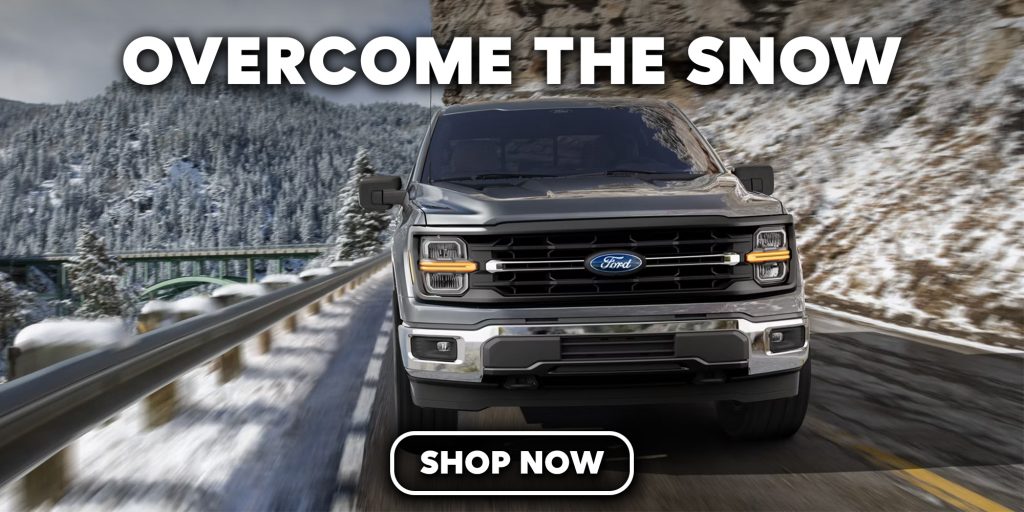
Power Through The Snow With A Truck
When winter weather arrives, finding the best trucks for snow becomes essential for safe and reliable transportation. Snow-covered roads, icy conditions, and freezing temperatures can challenge even the most seasoned drivers. A reliable pickup truck with advanced safety features and the right wheel-drive systems can make all the difference in navigating through winter months across Virginia, North Carolina, and South Carolina.
From four-wheel drive options to modern trucks equipped with traction control and high ground clearance, there are plenty of choices available when you shop from the numerous dealerships within Crossroads Automotive Group. Whether you’re tackling deep snow or icy road conditions, choosing the right truck with winter tires and specialized drive modes will ensure better traction and a safer journey in snowy conditions. Get ready to explore the best trucks for snow from brands like Ford, Nissan, Jeep, and Ram!
Reliable Winter Driving Performance
Before diving into the best trucks for snow, let’s review what makes them known for their reliability and capability, especially when it comes to winter driving. Designed to handle tough road conditions, trucks feature advanced technologies and engineering that make them ideal for snowy weather. From their advanced wheel-drive systems to their high ground clearance, they’re built to excel in the harshest winter conditions.
The best trucks for snow utilize their advanced traction control and stability control systems. These features ensure that you can maintain better traction on icy and snow-covered roads. Additionally, their selectable drive modes allow drivers to switch between settings like Snow or Ice, ensuring optimal performance based on current road conditions.
High ground clearance is essential for navigating snow-covered roads and deep snow. This design helps prevent the truck from getting stuck in snowy conditions. Equipped with four-wheel drive or AWD systems, trucks provide superior grip, making them a reliable choice for winter weather. Whether you are driving through icy roads or snowy trails, the best trucks for snow are engineered to ensure safety and performance.
The Best Trucks For Snow By Brand
It’s time to take a look at some of the best trucks for winter driving that you’ll find from the selection offered through Crossroads Automotive Group.
Ford
Ford F-150: The Ford F-150 is ideal for snow thanks to its Snow and Deep Sand/Snow drive modes, strong traction control, and available locking rear axle that deliver exceptional stability on icy and snow-packed roads.
Ford Ranger: The Ford Ranger excels in winter driving with its lightweight design, FX4® Off-Road Package, and Terrain Management System™ that enhance traction and control on slippery terrain.
Ford Super Duty: The Ford Super Duty series is built for extreme winter conditions with dual rear wheels, heavy-duty stability, and advanced 4WD capability that make it dependable on deep snow and icy roads.
Nissan
Nissan Frontier: The Nissan Frontier is a solid winter performer with strong off-road traction, durable construction, and a capable 4×4 system that helps it stay stable on snowy and slippery roads.
Jeep
Jeep Gladiator: The Jeep Gladiator is ideal for winter adventures thanks to its high ground clearance, rugged construction, and versatile 4WD system that handles deep snow and uneven winter terrain with ease.
Ram
Ram 1500: The Ram 1500 is a strong winter performer with surefooted four-wheel drive, selectable drive modes, and a smooth, stable ride that inspires confidence on snowy and icy roads.
Ram Heavy Duty: The Ram Heavy Duty series offers strong winter driving capability with its heavy build, four-wheel-drive systems, and appeal in snow-plow and deep-snow scenarios.
Ram RHO: The Ram RHO brings serious off-road hardware and drive-mode flexibility, including a dedicated Snow setting, making it a modern truck option that can handle snow and rough winter terrain.
Find Your Ideal Winter-Ready Truck
Choosing the right truck for snowy conditions depends on a variety of factors, including your local road conditions, typical winter weather, and specific driving needs. Look for essential features like winter tires, advanced traction control, and heated front seats to ensure safety and comfort during the winter months across Virginia, North Carolina, and South Carolina. Trucks with selectable drive modes and high ground clearance are particularly effective for navigating deep snow and icy roads.
Whether you need a heavy-duty truck for towing and hauling or a compact pickup for everyday driving, there are plenty of options available to suit your lifestyle. Take time to research and test-drive models like the Ford F-150, Nissan Frontier, Jeep Gladiator, or Ram 1500 to find the perfect fit for your winter driving needs. A winter-ready truck will make all the difference in ensuring a safe and confident journey through the snowy season. Visit any of the dealerships within Crossroads Automotive Group to get started!
What Are the Best SUVs for the Snow?
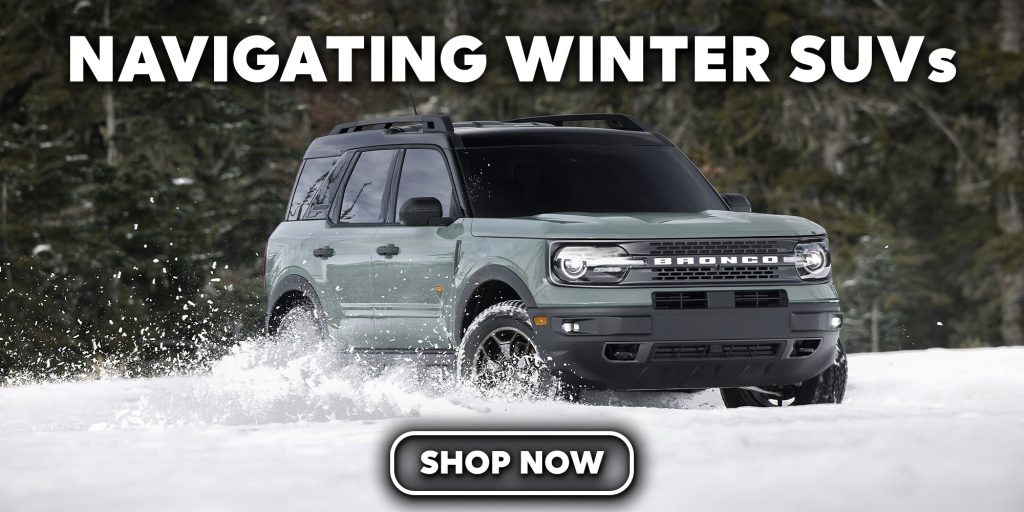
Winter-Ready Vehicles for Every Driver
Choosing the best SUV for snow can make a significant difference when facing harsh winter conditions, and many shoppers compare options the same way they would evaluate the best SUV for winter driving. Whether you’re navigating icy roads, snow-covered streets, or dealing with deep snow, having a vehicle equipped with the right features ensures safety and peace of mind. From advanced drive systems to winter-specific comforts, the right SUV from Crossroads Automotive Group is a game-changer in cold weather.
With so many options available from brands like Ford, Nissan, Dodge, and Jeep, finding a winter-ready SUV that fits your needs can feel overwhelming, especially when deciding on the best 4WD SUV for snow. This guide highlights the best vehicles designed for snowy roads in Virginia, North Carolina, and South Carolina, featuring models with exceptional traction control, high ground clearance, and advanced safety systems. Let’s dive into what makes these SUVs the ultimate choice for snow driving, and find one of our dealers for a test drive!
What Makes the Best SUV for Snow and Winter Conditions?
When selecting an SUV for winter driving, it’s crucial to focus on features that enhance safety, performance, and comfort in cold weather. Snowy and icy conditions require vehicles with specific capabilities to handle slippery roads and unpredictable terrain. Understanding what makes an SUV ideal for snow-covered roads will help you make an informed decision for your next vehicle.
Essential Features for Snowy Roads
One of the most important features of the best SUV for snow is its drivetrain. All-wheel drive (AWD) or 4-wheel drive (4WD) systems are essential for maintaining traction on icy and snowy surfaces. These systems distribute power to all four wheels, ensuring stability and control, especially during challenging driving conditions. Unlike front-wheel drive or rear-wheel drive vehicles, AWD and 4WD systems are built to handle winter weather effectively.
High ground clearance is another critical factor for deep snow and rough terrain. SUVs with several inches of ground clearance can avoid getting stuck in snowbanks or uneven roads. This feature allows the vehicle to glide over obstacles that would otherwise hinder smaller cars.
Equipping your SUV with a reliable traction control system and good snow tires can further enhance its performance. While AWD and 4WD help with power distribution, a traction control system prevents wheel spin on slippery roads, providing additional stability. Pairing this with winter tires, designed specifically for icy conditions, makes snow driving significantly safer.
For added safety, advanced driver-assist features like blind-spot monitoring, lane-departure warning, and adaptive cruise control are invaluable. These systems help drivers stay aware of their surroundings, even in inclement weather, reducing the risk of accidents. Features like hill descent control are also useful for navigating steep, snow-covered roads.
Comfort is equally important during winter months. Heated steering wheels and seats can make cold weather drives far more enjoyable, while automatic climate control ensures the cabin remains at a consistent temperature. Ample cargo space is also essential for storing winter gear like snow shovels, blankets, or emergency kits, making SUVs ideal for family trips or solo adventures during winter conditions.
Why SUVs Stand Out in Winter Weather
SUVs have built a reputation for their winter-ready features and dependable performance in harsh weather conditions. Models like the Ford Expedition and Nissan Pathfinder come equipped with intelligent drive systems designed to tackle slippery roads and snow-covered terrain with ease. These systems adjust torque distribution based on real-time road conditions, providing optimal control and stability.
Additionally, the Terrain Management System™ and G.O.A.T. Modes® featured in certain Ford vehicles allow drivers to switch between multiple driving modes, specifically tailored for snowy or icy conditions. This adaptability ensures peak performance regardless of the challenges presented by winter weather.
Beyond functionality, the best SUVs for snow are designed to prioritize driver and passenger comfort in winter. Features such as heated front seats, a heated steering wheel, and automatic climate control make driving in cold weather more pleasant. Combined with ample cargo capacity and spacious interiors, the best SUVs for snow are excellent choices for families and individuals alike during the winter months.
Top SUVs for Snow By Brand
The market is filled with SUVs built to handle the challenges of winter driving, but some stand out for their superior performance, safety, and comfort features. Among these, Crossroads Automotive Group strives to stay ahead, featuring some of the best SUVs for snow that shine as top contenders for snow-covered roads. Let’s explore what Ford, Nissan, Dodge, and Jeep have to offer.
Ford
Ford Expedition: The Ford Expedition is one of the best large SUVs for snow, offering a spacious and family-friendly ride that delivers confident winter performance with intelligent 4WD and versatile terrain modes.
Ford Bronco: The Ford Bronco provides rugged, snow-crushing capability with high ground clearance, advanced traction control, and G.O.A.T. Modes® built for extreme winter conditions.
Ford Bronco Sport: The Ford Bronco Sport is a compact, efficient SUV that still delivers impressive winter traction and stability for commuters and weekend adventurers.
Ford Escape: The Ford Escape offers reliable AWD confidence, strong fuel economy, and easy winter maneuverability in a practical compact SUV package.
Nissan
Nissan Pathfinder: A top choice due to its powerful V6 engine, rugged 4×4 capability, and selectable drive modes for deep snow.
Nissan Rogue: An excellent compact SUV with an Intelligent All-Wheel Drive system for superior control on icy roads and light off-road conditions.
Nissan Murano: Also performs well in snow with its responsive Intelligent All-Wheel Drive system, plus styled to your needs with interior features to keep you warm.
Dodge
Dodge Durango: Offers exceptional performance in snow with its all-wheel drive system and advanced traction control features. It is also available with a powerful engine for heavy-duty tasks.
Jeep
Jeep Grand Cherokee: One of the best luxury SUVs for snow, the Jeep Grand Cherokee features advanced 4×4 systems like Quadra-Trac and Selec-Terrain®, along with up to 10.9 in. of ground clearance.
Jeep Cherokee: Another great option for snowy roads. The Jeep Cherokee is equipped with the Selec-Terrain® Traction Management System, making it convenient to tackle snowy conditions.
Jeep Compass: Performs well in snow when equipped with the Jeep Active Drive 4×4 system or Active Drive Low 4×4 system, along with the Selec-Terrain® system that has a specific “Snow” mode.
Why Winter-Specific Features Are Game Changers
Winter driving comes with its own set of challenges, making winter-specific features essential for safety, comfort, and performance. These features on the best SUVs for snow are designed to help vehicles navigate snow-covered roads, icy conditions, and unpredictable winter terrain with ease. From traction-enhancing technologies to cold-weather comforts, these advancements ensure that you stay in control and comfortable during winter weather.
Performance Features for Snowy Roads
When driving through snowy roads, performance features like traction control systems and hill descent control are indispensable. Traction control systems prevent wheel slip on slippery roads by automatically adjusting power to the wheels, providing better stability and grip. Hill descent control, on the other hand, ensures safe navigation of steep, icy slopes by maintaining a controlled speed without over-reliance on brakes.
High ground clearance is another critical feature for tackling snow-covered roads. The best SUVs for snow with sufficient inches of ground clearance can easily pass over deep snow or uneven winter terrain without getting stuck. Coupled with adaptive suspension systems, these vehicles can adjust to varying road conditions, ensuring smooth and stable rides regardless of the obstacles.
Winter tires are a must for vehicles frequently driven in icy conditions. Unlike all-season tires, winter tires are specifically designed with softer rubber and deeper treads to maintain grip and traction in freezing temperatures. Pairing these with an advanced drive system, like AWD or 4WD, provides the ultimate performance on snowy and slippery roads.
Comfort and Safety in Cold Weather
Comfort plays a major role in improving the winter driving experience, especially during long commutes or harsh weather. Features for the best SUVs for snow include heated steering wheels and front seats, making a world of difference in cold weather by quickly warming up the cabin. Automatic climate control is another essential feature, maintaining a consistent and cozy temperature throughout the journey, even during freezing conditions.
Safety is equally crucial, and modern SUVs offer a range of driver-assist systems that provide peace of mind during winter. Blind-spot monitoring alerts you of vehicles in adjacent lanes, while lane-departure warning helps avoid accidental drifting on slippery roads. Advanced safety tech like adaptive cruise control and torque vectoring further enhance stability and control in inclement weather, ensuring a safer driving experience.
Winter-specific features are more than just convenient—they are game changers that redefine what vehicles can achieve in challenging conditions. By investing in an SUV with these features, drivers can confidently face the toughest winter weather while ensuring their own safety and comfort.
Find Your Winter-Ready SUV
Explore a range of the best SUVs for snow and other winter-ready vehicles at Crossroads Automotive Group, located throughout Virginia, North Carolina, and South Carolina. From the deluxe Ford Expedition to the rugged Jeep Grand Cherokee, our lineup includes models equipped with advanced drive modes, traction control systems, and heated interiors to handle snowy roads with ease. Whether you’re looking for fuel efficiency, ample cargo capacity, or cutting-edge safety systems, our dealerships have options tailored to meet your needs.
What Are The Best EVs For Cold Weather?
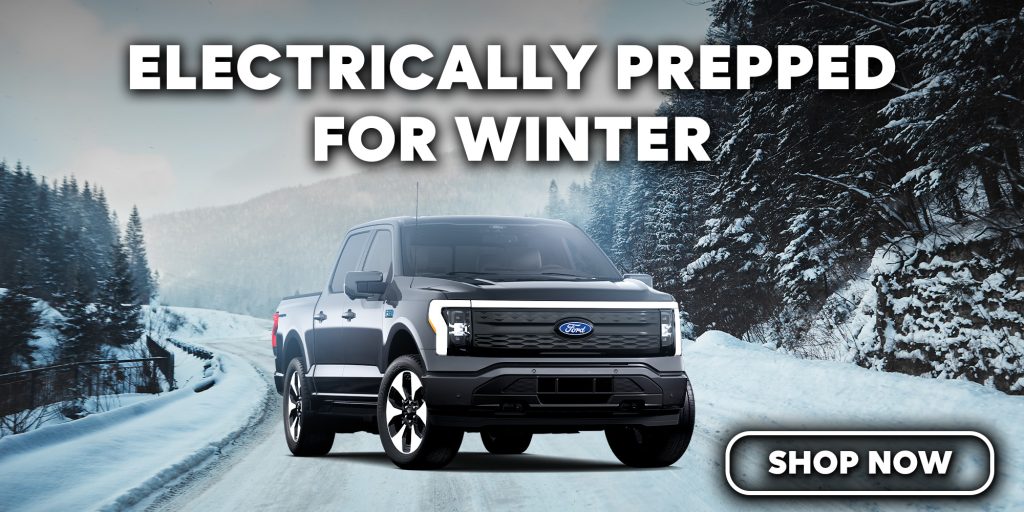
Power, Comfort, & Confidence All Winter Long
For years, winter driving was the domain of gas-powered SUVs and trucks. But that’s changing fast as electric vehicles continue to improve their range, traction, and durability in snow. Today’s best EVs for cold weather from the various dealerships within Crossroads Automotive Group are designed to handle snow, slush, and freezing temperatures with ease, offering instant torque, all-weather grip, and quiet confidence that rivals even the toughest all-wheel-drive SUVs.
The newest fully electric vehicles from Ford, Nissan, Dodge, Jeep, and Ram prove that electrification and winter readiness can go hand in hand. Whether you’re navigating icy roads or enduring low temperatures, these models represent the best EVs for cold weather that combine rugged performance with modern comfort. Get ready to explore the selection of the best EVs for cold weather from Crossroads Automotive Group today!
Ford: Electric Confidence in Any Season
The Ford F-150 Lightning remains one of the best EVs for cold weather, delivering strong battery performance and exceptional traction thanks to standard four-wheel drive. Its robust EV batteries are managed by a smart thermal system that helps reduce range loss in colder climates. Inside, heated seats and a heated steering wheel keep drivers comfortable even when winter weather turns harsh.
The Ford Mustang Mach-E also ranks among the best EVs for cold weather, thanks to available dual-motor wheel drive that grips confidently on icy roads. Its smart thermal system and heat pump preserve battery performance and comfort in freezing temperatures, while heated seats and a heated steering wheel make every commute cozy. With responsive regenerative braking and efficient climate control, the Ford Mustang Mach-E is a stylish, capable choice for drivers seeking the thrill of performance and the assurance of all-season stability.
Ford’s upcoming Ford Ranger PHEV is expected to be released in the near future. You can contact your local Crossroads Ford dealer for more information on how the Ford Ranger PHEV performs in cold weather conditions.
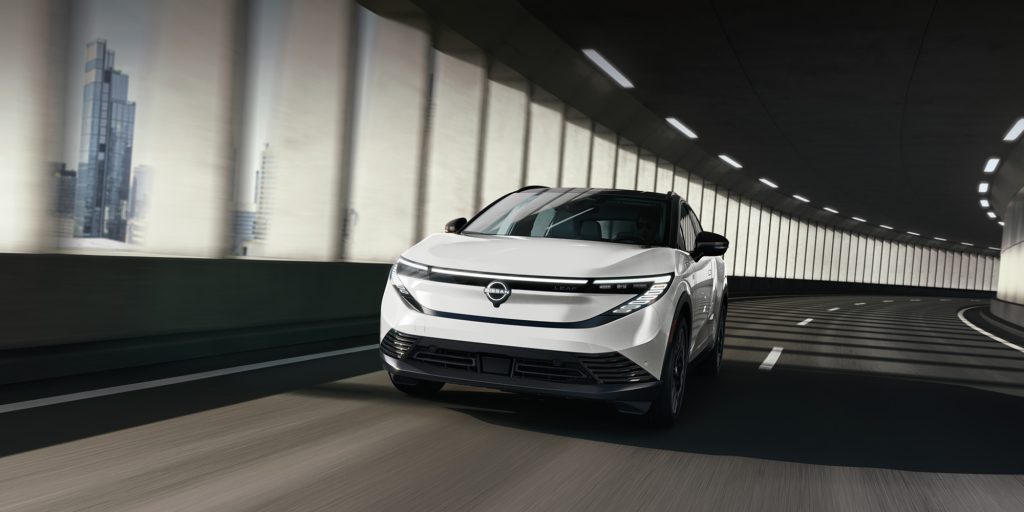
Nissan: Dependable Efficiency in the Cold
Nissan is another leader in everyday EV reliability, and its lineup continues to shine among the best EVs for cold weather. The Nissan LEAF is a practical favorite, featuring a well-insulated lithium-ion battery pack and an available heat pump to help preserve battery performance and cabin warmth in freezing temperatures. Its low center of gravity and responsive handling give EV drivers confidence on icy roads, while heated seats, a heated steering wheel, and advanced climate control make winter commutes surprisingly comfortable.
The Nissan ARIYA builds on that legacy with modern power and style. Its available e-4ORCE wheel drive system provides stable traction on snow-covered roads, while regenerative braking and smart energy efficiency tech maintain smooth control in cold conditions. Inside, thoughtful touches like heated seats and a heat pump ensure comfort and range consistency throughout the winter months, securing the Nissan ARIYA’s spot among the best EVs for cold weather.
Dodge: The Electric Muscle Car Revolution
The Dodge Charger Daytona EV marks a bold evolution in electric performance that blends muscle, comfort, and control. It’s paired with twin electric motors and regenerative braking for instant torque and confident grip on snow-covered roads. Designed to maintain traction across a wide temperature range, the Dodge Charger Daytona uses an efficient heating system and smart climate control to preserve power in the cold, making it one of the best EVs for cold weather.
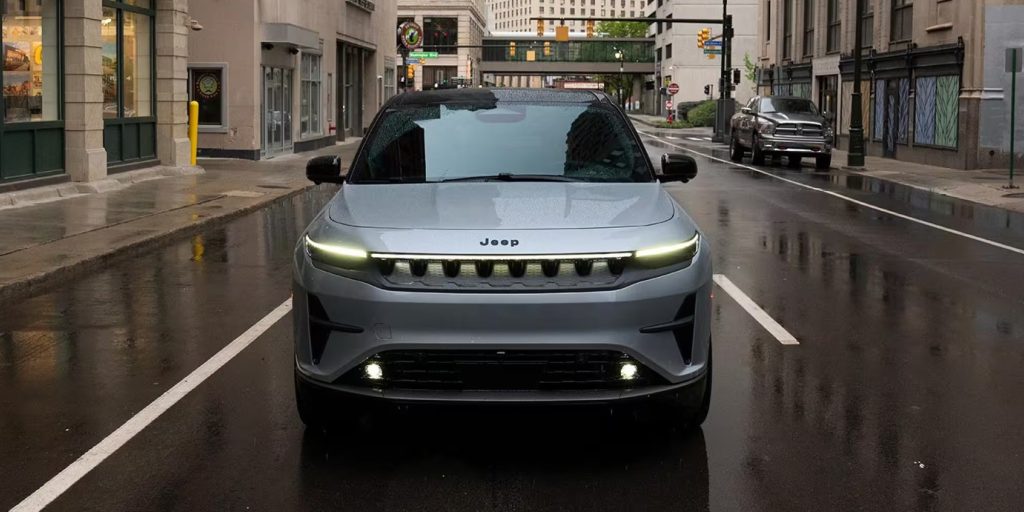
Jeep: Rugged Electrification for Winter Adventures
Jeep’s Wagoneer S and upcoming Recon EV bring off-road confidence to electrified driving, built for EV owners who crave adventure in cold climates. These models blend electric propulsion with Jeep’s legendary durability, creating some of the best EVs for cold weather where trail and snow meet.
Their lithium-ion batteries include integrated thermal management to maintain optimal operating temperature during very cold weather, while available winter tires and advanced traction control enhance EV’s performance in cold climate driving. With four-wheel drive technology and durable battery electric vehicles architecture, Jeep ensures its EVs in winter remain reliable companions for mountain drives and blizzard commutes alike.
Ram: Power & Range in Harsh Weather
The upcoming Ram 1500 REV brings heavy-duty capability to the world of electric trucks—and it’s quickly being recognized among the best EVs for cold weather. Its long-range battery options and robust battery capacity help minimize battery charge loss in freezing temperatures. Intelligent thermal management helps maintain EV’s battery efficiency during cold weather performance, ensuring dependable starts and steady power output.
Maximizing EV Performance in Winter
Even the best EVs for cold weather benefit from a few smart winter habits:
- Precondition your EV’s battery before unplugging to maintain state of charge and reduce charging stops.
- Keep tire pressure properly maintained, as cold air reduces PSI and affects grip.
- Use home charging overnight to keep the battery temperature within an optimal operating temperature range.
- Limit air conditioning use and rely on heated features to preserve battery range.
- Use navigation system tools to locate fast charger stations on a long trip during the winter months.
These small adjustments can make a big difference in how cold weather affects an EV’s range and overall EV cold weather performance.
Get Ready For Winter
Whether you’re facing icy roads, cold climate commutes, or planning a long trip, the best EVs for cold weather keep you charged, warm, and in control. From the Ford F-150 Lightning and the Ram 1500 REV’s utility to the efficient Nissan LEAF and the powerful Dodge Charger Daytona, each of these brands, along with others sold at the various dealerships within Crossroads Automotive Group, prove that electrification thrives even in the harshest winter conditions. These models represent some of the best EVs for cold weather that are built to perform where it matters most. Visit your nearest Crossroads dealership to explore these winter-ready EVs today!
What Are The Best Sedans For The Snow?
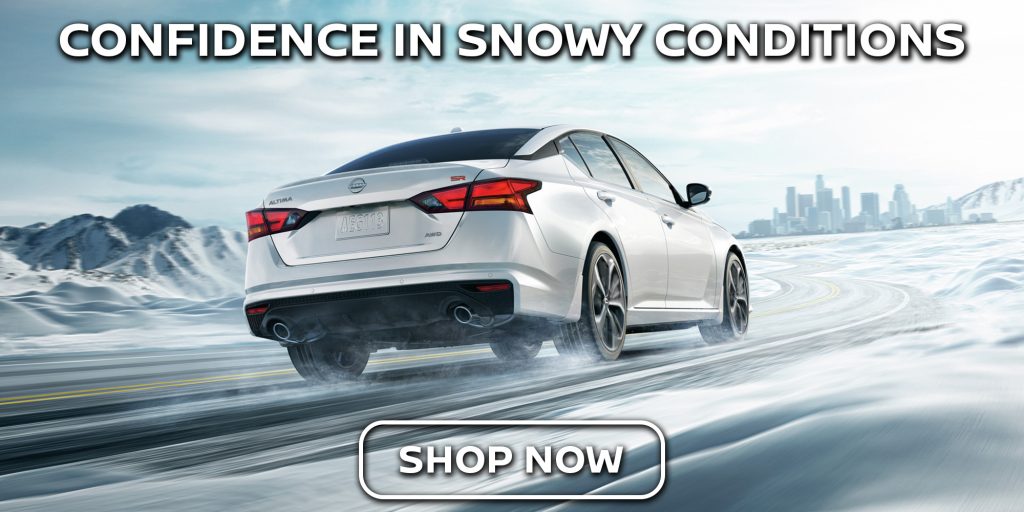
Best Sedans In Snowy Conditions
When winter weather sets in and snow starts flying, shoppers often rush toward SUVs. But that overlooks the fact that many sedans offer excellent traction, balanced performance, and greater fuel efficiency—especially in cold weather. The newest Nissan and Dodge models prove you can drive confidently through snowy conditions without leaving sedan comfort behind. Below, we explore which models stand out as the best sedans for snow, along with key features to consider when shopping for the best option at our various stores within Crossroads Automotive Group.
Winter Features to Prioritize
Whichever make or model you choose, a few standard features make all the difference during the winter season when selecting the best sedan for snow:
- All-wheel drive or front-wheel drive with snow tires: both deliver confidence through snowy conditions, icy roads, and slippery conditions.
- Anti-lock braking systems and electronic stability control: these maintain traction and directional control on snow-covered roads.
- Heated steering wheel and heated front seats: comfort features that make any cold start manageable.
- Driver-assist and driver assistance features: modern systems such as lane departure warning, lane keep assist, and forward collision warning make every commute safer.
- Drive modes and snow mode: adjust throttle and transmission mapping for enhanced traction.
- Headlight washers: a small but useful upgrade for maintaining visibility in heavy snow.
Each of these can turn an ordinary sedan into one of the best sedans for snow, capable of handling unpredictable weather conditions and messy parking lot exits with ease. Let’s take a look at what each sedan from Crossroads’ featured brands has to offer.
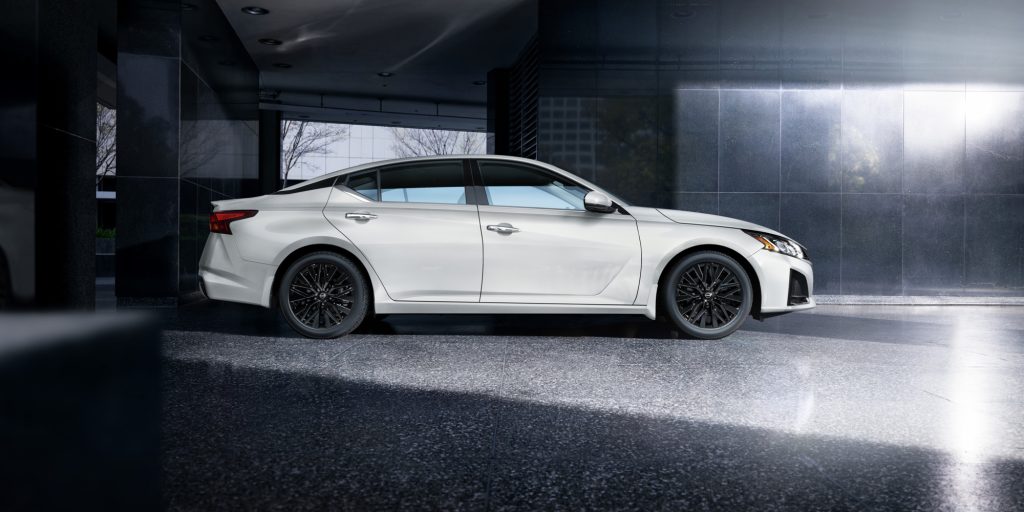
Nissan: Smart Traction & Standard Safety Tech
If you want one of the best sedans for snow, the Nissan Altima continues to shine as a top model in this category. Its available all-wheel drive system can proactively send power to different rear axles for better stability, adjusting to slippery conditions before you even notice. This makes the Nissan Altima one of the best vehicles for everyday commuters facing icy roads and snow-covered roads alike.
The Nissan Sentra and Nissan Versa, both front-wheel drive sedans, deliver strong confidence when paired with quality snow tires and electronic stability control. These models include a robust driver-assist package—the Nissan Safety Shield® 360 like all Nissans—which provides automatic emergency braking, lane departure warning, blind-spot monitoring, and pedestrian detection. All are standard features that enhance peace of mind during the winter season.
Inside, heated front seats, an available heated steering wheel, and premium convenience features turn even the most frigid morning commute into a comfortable one. The Nissan Altima’s smooth automatic transmission, efficient drive modes, and precise traction control system make it one of the best sedans for snow and a new car worth serious consideration this model year.
Dodge: Modern Muscle Meets All-Weather Grip
If you crave muscle but need confidence in winter conditions, Dodge delivers. The new AWD sedan version of the Dodge Charger merges performance with practicality, offering all-weather traction without sacrificing power. Its advanced part-time AWD layout allows torque transfer between rear axles, delivering grip through heavy snow and confidence in inclement weather.
With available adaptive cruise control, lane keep assist, and forward collision warning, the Dodge Charger’s standard equipment transforms it from a sporty EV into one of the best sedans for snow. Add in heated rear seats, headlight washers, and multiple drive modes, and you have a true best car for drivers who want winter capability with year-round performance.
Winter Is Coming
You don’t have to have a bulky SUV to handle winter conditions. From the capable Nissan Altima to the bold Dodge Charger, the modern sedan market offers plenty of smart, stylish options to help you find the best sedans for snow. With the right snow tires, traction control system, and driver-assist technology, you’ll glide confidently through any storm. Explore these and more at our various stores within Crossroads Automotive Group, located throughout North and South Carolina and Virginia, today!

The Smart Choice For Upgrading Your Current Vehicle
When planning your next purchase, one of the first decisions you face is whether to proceed with a trade-in vs.private sale of your old car. Should you be trading in at a dealership or selling your car privately? Both options have their upsides and a few trade‑offs. At Crossroads Automotive Group, we’ve helped countless customers weigh the advantages of trading against the potential for a higher price you might get from a private buyer. Let’s explore how the trade‑in process stacks up against the journey of selling your car privately—from navigating test drives to managing title transfer—so you can make an informed decision. Once you discover that a trade-in vs.private sale is best done at a dealership, we’ll happily connect you to one of our numerous dealers throughout North Carolina and Virginia.

Understanding the Basics: Trade‑In vs. Private Sale
When you choose to trade in your car, you typically drive to the car dealership, hand over your current vehicle, and start exploring a new vehicle with ease. A trade‑in offer can be applied as a tax credit or used toward the price of the new vehicle, which means sales tax savings on your next purchase. That’s one of those potential tax benefits and a great way to instantly reduce your out‑of‑pocket cost.
On the flip side of a trade-in vs. private sale, a private party might pay top dollar, but the selling process often involves parking lot meetups, vetting prospective buyers, and more logistical headaches. From listing your used vehicle on trusted sites, like Autotrader or Kelley Blue Book, to setting an asking price and managing phone calls, selling your vehicle privately is time consuming. Plus, there’s the worry of hidden costs, safety concerns, and possibly less money if negotiations fall through.
Convenience & Peace of Mind
Let’s talk about the advantages of a dealership trade-in.
- A dealership handles everything, including minor repairs, vehicle history reports, and even bill of sale documents.
- They coordinate any title transfer and car loan payoff, even if there’s an outstanding loan balance. No DMV lines, no bank hassle.
- You avoid meeting strangers for test drives and dealing with awkward or unsafe situations in parking lots.
- Get an immediate appraisal of your car’s value.
- Enjoy a smooth trade‑in process where the value of your trade applies to your next purchase—no guesswork, and tax credits potentially lower your new car’s price.
Yes, selling privately might yield a higher offer when comparing a trade-in vs. private sale, but the dealership route tops that with speed, security, and simplicity.
Safety First: Why Some Sellers Prefer Dealers
Safety concerns are often underestimated when looking at a private sale vs. trade-in.
- Dealing with potential buyers, coordinating meetings, and handling test drives can feel uncertain.
- Verifying payment and ensuring a title transfer is complete is your responsibility, and a mistake can cost you.
Conversely, dealerships are regulated, licensed, and offer a professional environment. That peace of mind means a lot to drivers who want to avoid late-night meetups or worrying whether or not a stranger will pay.

Pros and Cons of Trading In vs. Selling Privately
To summarize what a trade-in vs. private sale offers, let’s review the pros and cons of each.
Pros of Trading In Your Vehicle
- The process is fast, often completed in under an hour at the dealership.
- It’s safer—no need to meet strangers in parking lots or take test drives with unfamiliar people.
- Your dealership handles all the paperwork, including title transfer and loan payoff.
- You may qualify for a tax credit, reducing the final price of your new vehicle.
- You can immediately apply your trade-in value as a down payment on your next purchase.
- No need to invest time or money in advertising, detailing, or minor repairs.
Cons of Trading In Your Vehicle
- You might receive a slightly lower offer compared to a private party sale.
- You have less control over the final selling price.
Pros of Selling Your Car Privately
- You may receive a higher price, especially if your vehicle is in high demand.
- You can negotiate directly and set your own asking price.
Cons of Selling Your Car Privately
- You’re responsible for everything—advertising, handling inquiries, and arranging test drives.
- Safety concerns arise when meeting with strangers and handling payment.
- You must manage the title transfer, bill of sale, and possibly lien releases.
- You may incur hidden costs like detailing, minor repairs, and vehicle history reports.
- The process can be time consuming, taking days or even weeks to finalize a sale.
What Should You Do?
Still deciding between a trade-in vs. private sale? If convenience, safety, speed, and simplicity are a priority, and you’re ready for your next purchase now, trading in at a dealership within Crossroads Automotive Group is an excellent choice. You’ll avoid meeting strangers, minimize selling hassles, and benefit from trade‑in offers that directly lower your new car’s price. It’s also one of the best ways to ensure a smooth title transfer and handle any loan balance without DMV trips.
While selling privately could be the smarter choice for getting top dollar on your ride, it doesn’t mean peace of mind. All of the time, effort, and anxiety that comes with each task on your own throughout the process is alleviated at one of our dealerships throughout North Carolina and Virginia. Receive the best price on your current car with no pressure today!

Navigating The Car Selling Process In North Carolina
Selling your vehicle in North Carolina can feel overwhelming. When you add all the legal requirements of North Carolina law and paperwork, the selling process starts to look complicated. That’s where Crossroads Automotive Group simplifies things. By guiding you through everything from private sales to a dealership option that offers convenience and security, you’ll be able to discover how to sell a car in North Carolina from our many stores.
Private Sales vs. Dealership Convenience
At first glance, you’re probably wondering, “How do I sell my car privately in North Carolina?” Private sales seem attractive because you set the sale price, negotiate with potential buyers, and get competitive offers. You may even believe you maintain control over the car’s value and avoid dealership markups, but real life often brings delays, safety concerns, and uncertainties like lowball offers, missing appointments, or incomplete paperwork like a bill of sale, certificate of title, or title transfers.
When you’re thinking through how to sell your car in North Carolina privately, you’re responsible for assembling the following documents.
- Original title or duplicate title
- Certificate of title showing ownership
- Lien release (if applicable)
- Inspection reports and maintenance records
- A valid driver’s license
- And possibly form MVR‑181 (affidavit of damage or loss) if you need a renewal title through the NCDMV Vehicle Registration Section.
Mistakes in any of these can threaten the vehicle transfer or title transfers, locking you into lingering liability or invalid sales. That’s why North Carolina regulations make it so vital to document every step accurately.
Why Crossroads Automotive Group Is Your Smartest Move
If you’ve been searching what paperwork is needed to sell your car in North Carolina, know that the numerous dealerships within Crossroads Automotive Group handle it all, from verifying title status to preparing the bill of sale and ensuring transfer ownership goes smoothly under North Carolina law.
They’ll take care of:
- Appraisal: we assess your car based on condition, maintenance history, and inspection reports.
- Offer: you receive a competitive offer based on real-time market value and tools like Kelley Blue Book.
- Paperwork: we manage everything from bill of sale to certificate of title, any duplicate title needs, lien release, and form MVR‑181 or renewal title filings with the NCDMV Vehicle Registration Section.
- Transfer Ownership: vehicle title transfers smoothly under North Carolina law, and the new owner steps in cleanly; you’re fully released.
- Payment: you walk away paid—no delays, no risks.
The result of how to sell a car in North Carolina from a dealership? You get a competitive offer and peace of mind without managing the paperwork yourself.
Maximizing Your Car’s Value & Speeding Up the Sale
When you work with Crossroads Automotive Group, how to sell your car in North Carolina becomes streamlined, safe, and speedy. We use real-time data to assess your car’s market value properly, so you can walk away confident that you’ve received a fair and competitive offer.
This isn’t just about speed, it’s about ensuring your car’s value is maximized. With expertise from our Ford, Nissan, Chrysler, Dodge, Jeep, and Ram dealers throughout North Carolina, you avoid underpricing or overpricing your vehicle. Plus, you save time, avoid the hassle of test-drives with strangers or coordinating meetups, and skip advertising costs.
Documents You Need When Selling
To successfully navigate the process of how to sell your car privately in North Carolina, several key documents and requirements must be addressed. The most essential is the certificate of title, whether it’s the original or a duplicate if the original title is missing. If there’s still a loan on the vehicle, a lien release will be necessary to ensure a clean transfer to the new owner. You’ll also need a bill of sale, which outlines the terms of the sale, including the sale price, VIN, date, and both parties’ contact information.
In cases where the title is lost or damaged, you’ll need to complete form MVR‑181 or apply for a renewal title through the NCDMV Vehicle Registration Section. Providing inspection reports and maintenance records adds value and trust to the sale, especially when dealing with potential buyers. A valid driver’s license is required for identity verification, and recording the VIN accurately is critical for processing the vehicle title transfers.
Additionally, ensuring you have accurate and complete vehicle information will help determine the fair price for how to sell a used car in North Carolina. Utilizing resources like Kelley Blue Book and comparing similar listings in your area can make the process easier.
Familiarizing yourself with North Carolina DMV processes and applicable law will help ensure your sale meets all legal requirements and goes smoothly. However, keep in mind that the dealerships within Crossroads Automotive Group would take care of all of this for you.
Ready to Put Your Car Up For a Sale?
If you’re wondering how to sell your car in North Carolina, and you’re weighing a private sale versus a hassle-free dealership process, Crossroads Automotive Group delivers confidence, speed, and strong value. Instead of managing complex paperwork, looking up market value manually, or worrying about the legal requirements, let the experts handle it. Whether your ride is a daily driver, an older used vehicle, or you’re simply upgrading, our Crossroads dealerships across North Carolina are ready to make the entire car‑selling process transparent, efficient, and rewarding.
So next time you ask, “How do I sell my car in North Carolina?,” remember: there’s a smarter, safer, and faster way through Crossroads Automotive Group that’ll take you from appraisal to transfer of ownership with ease and professionalism.
Connect with us

