


How To Budget For A New Car: Your Step-by-Step Guide
Whether you’re buying a brand-new or gently used vehicle, it’s a major milestone. From insurance and maintenance to fuel and financing, the total cost of car ownership extends far beyond the sticker price. It’s important to consider all the costs involved, including insurance, fuel, maintenance, and registration fees, to ensure your budget covers every aspect of ownership. That’s why setting a budget that aligns with your lifestyle is the key to a confident purchase. At Crossroads Automotive Group, our various stores throughout North Carolina know how exciting it is to shop for your next ride, and we’re here to help you make a decision that fits your wallet and your lifestyle. This guide serves as a resource to help you align how to budget for a new car by walking you through the process of setting a realistic car budget so you can enjoy the drive without the financial detours.
Step 1: Know Where You Stand Financially
Before diving into car listings and how to budget for a new car, take a close look at your current financial picture. It’s crucial to understand your overall financial situation and monthly expenses, as these will directly impact how much you can afford to spend on a car. This gives you a clear view of how much you can truly afford.
A helpful budgeting strategy is the 50/30/20 rule, which divides your income into 50% for necessities, 30% for miscellaneous, and 20% for savings or debt repayment. To determine how much you can afford to spend on a car, analyze your finances carefully and make sure your purchase won’t cause financial strain.
Another smart rule on how to budget for a new car is the 20/4/10 rule. Aim to put at least 20% down, limit your loan to four years, and keep your payment under 10% of your monthly income. If your budget’s tight, look for vehicles that fall into your “wants” category without crowding out your financial needs.
Step 2: How Much to Save to Buy a Car
When shopping for a car, it’s important to set a realistic price range to ensure you stay within your financial limits and avoid unnecessary stress. To avoid overspending, try to keep your total car expenses between 15% to 20% of your monthly income. That includes your car payment, insurance, fuel, and upkeep. For example, if you earn $4,000 a month, aim to spend no more than $600–800 on car-related costs. If the purchase price of the car fits within your budget range, you’re more likely to maintain financial stability. When you’re wondering how to budget for a new car, keep in mind the initial investment. This includes upfront costs like down payment, sales tax and title fees, vehicle registration fees, and dealership charges. For a $25,000 car, that means setting aside $2,500 to $5,000 up front. While financing can help spread out payments, your initial out-of-pocket cost will still affect your overall budget. Your loan amount is typically determined by subtracting your down payment from the purchase price of the car.
Step 3: How to Budget for a Car
If you’re not paying in full with cash, understanding your financing options is essential. Auto loans allow you to break up the cost over time. Our Crossroads locations throughout North Carolina ensure that you’re getting the best financing rate among other lenders, in addition to the peace of mind that it’s at your selected dealership. If you’re wondering how to budget for a new car, you’re in good hands because we work with trusted financing partners to help you secure the best deal. Here are some factors to consider when financing.
- Loan Length: Longer terms reduce your monthly payments but increase your total interest paid. Stick with the shortest term you can comfortably afford, which is typically between 36 and 72 months.
- Interest Rates: These are based largely on your credit score. The better your credit, the lower your rate.
- Pre-Approval: Getting pre-approved gives you a clearer idea of your budget and puts you in a stronger negotiating position.
Step 4: How to Buy a Car Within Your Budget
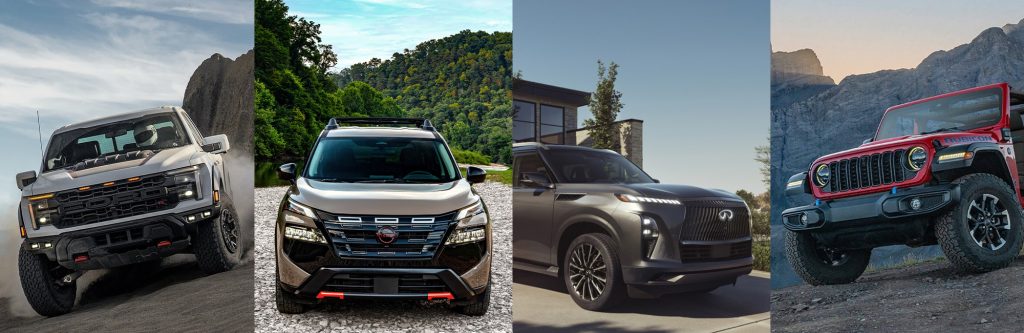
Now that your budget’s in place, it’s time to choose your car! Start by assessing your needs before comparing different car models, including new and used. Evaluate features, fuel efficiency, reliability, and resale value. New cars often come with the latest technology and warranty benefits, while used cars can offer lower prices and slower depreciation. Don’t forget to consider the value of your old car as a trade-in, which can help with how to budget for a new car. At our various Crossroads locations throughout North Carolina, we offer a wide selection of new, pre-owned, and certified pre-owned vehicles to meet every price point. Knowing how to budget for a new car up front helps narrow your choices and avoid surprises.
Step 5: Don’t Forget the Extras—Insurance, Warranties, & More
Purchasing your ride isn’t the end of it. There are more avenues you’ll have to consider for how to budget for a new car, including:
- Insurance: Varies based on driving record, location, and vehicle type. Compare providers and ask about discounts. Remember, having an insurance car budget is a smart padding to have in your driving journey.
- Extended Warranties: Adds extra protection but increases initial cost.
- Fuel: This is an inevitable component of how to budget for a new car. By selecting models that are fuel efficient or electric, you’ll notice a reduction in monthly gas expenses.
- Maintenance: How to budget for car maintenance varies because it includes routine service and the possibility of unexpected car repairs.
- Upgrades & Accessories: Tech add-ons, roof racks, or custom features can raise your final price quickly.
Why Choose Crossroads?
At Crossroads Automotive Group, we’re committed to helping you find the perfect vehicle without the pressure. With locations throughout North Carolina, we offer an expansive inventory, knowledgeable staff, and tailored financing solutions to make your car-buying journey smooth from start to finish. Visit one of our stores today to discover how simple buying your next vehicle can be.

