
Blog

All Crossroads Automotive Group

What Are the Best SUVs for the Snow?

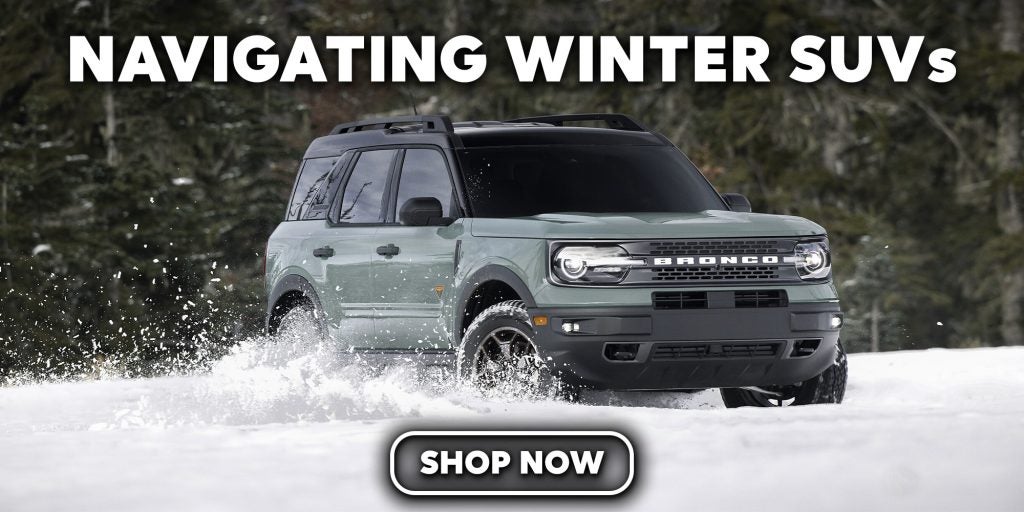
Winter-Ready Vehicles for Every Driver Choosing the best SUV for snow can make a significant difference when facing harsh winter conditions, and many shoppers compare options the same way they would evaluate the best SUV for winter driving. Whether you're navigating icy roads, snow-covered streets, or dealing with deep snow, having a vehicle equipped with the right features ensures safety and peace of mind. From advanced drive systems to winter-specific comforts, the right SUV from Crossroads Automotive Group is a game-changer in cold weather. With so many options available from brands like Ford, Nissan, Dodge, and Jeep, finding a winter-ready SUV that fits your needs can feel overwhelming, especially when deciding on the best 4WD SUV for snow. This guide highlights the best vehicles designed for snowy roads in North Carolina and South Carolina, featuring models with exceptional traction control, high ground clearance, and advanced safety systems. Let’s dive into what makes these SUVs the ultimate choice for snow driving, and find one of our dealers for a test drive! What Makes the Best SUV for Snow and Winter Conditions? When selecting an SUV for winter driving, it's crucial to focus on features that enhance safety, performance, and comfort in cold weather. Snowy and icy conditions require vehicles with specific capabilities to handle slippery roads and unpredictable terrain. Understanding what makes an SUV ideal for snow-covered roads will help you make an informed decision for your next vehicle. Essential Features for Snowy Roads One of the most important features of the best SUV for snow is its drivetrain. All-wheel drive (AWD) or 4-wheel drive (4WD) systems are essential for maintaining traction on icy and snowy surfaces. These systems distribute power to all four wheels, ensuring stability and control, especially during challenging driving conditions. Unlike front-wheel drive or rear-wheel drive vehicles, AWD and 4WD systems are built to handle winter weather effectively. High ground clearance is another critical factor for deep snow and rough terrain. SUVs with several inches of ground clearance can avoid getting stuck in snowbanks or uneven roads. This feature allows the vehicle to glide over obstacles that would otherwise hinder smaller cars. Equipping your SUV with a reliable traction control system and good snow tires can further enhance its performance. While AWD and 4WD help with power distribution, a traction control system prevents wheel spin on slippery roads, providing additional stability. Pairing this with winter tires, designed specifically for icy conditions, makes snow driving significantly safer. For added safety, advanced driver-assist features like blind-spot monitoring, lane-departure warning, and adaptive cruise control are invaluable. These systems help drivers stay aware of their surroundings, even in inclement weather, reducing the risk of accidents. Features like hill descent control are also useful for navigating steep, snow-covered roads. Comfort is equally important during winter months. Heated steering wheels and seats can make cold weather drives far more enjoyable, while automatic climate control ensures the cabin remains at a consistent temperature. Ample cargo space is also essential for storing winter gear like snow shovels, blankets, or emergency kits, making SUVs ideal for family trips or solo adventures during winter conditions. Why SUVs Stand Out in Winter Weather SUVs have built a reputation for their winter-ready features and dependable performance in harsh weather conditions. Models like the Ford Expedition and Nissan Pathfinder come equipped with intelligent drive systems designed to tackle slippery roads and snow-covered terrain with ease. These systems adjust torque distribution based on real-time road conditions, providing optimal control and stability. Additionally, the Terrain Management System™ and G.O.A.T. Modes® featured in certain Ford vehicles allow drivers to switch between multiple driving modes, specifically tailored for snowy or icy conditions. This adaptability ensures peak performance regardless of the challenges presented by winter weather. Beyond functionality, the best SUVs for snow are designed to prioritize driver and passenger comfort in winter. Features such as heated front seats, a heated steering wheel, and automatic climate control make driving in cold weather more pleasant. Combined with ample cargo capacity and spacious interiors, the best SUVs for snow are excellent choices for families and individuals alike during the winter months. Top SUVs for Snow By Brand The market is filled with SUVs built to handle the challenges of winter driving, but some stand out for their superior performance, safety, and comfort features. Among these, Crossroads Automotive Group strives to stay ahead, featuring some of the best SUVs for snow that shine as top contenders for snow-covered roads. Let’s explore what Ford, Nissan, Dodge, and Jeep have to offer. Ford Ford Expedition: The Ford Expedition is one of the best large SUVs for snow, offering a spacious and family-friendly ride that delivers confident winter performance with intelligent 4WD and versatile terrain modes. Ford Bronco: The Ford Bronco provides rugged, snow-crushing capability with high ground clearance, advanced traction control, and G.O.A.T. Modes® built for extreme winter conditions. Ford Bronco Sport: The Ford Bronco Sport is a compact, efficient SUV that still delivers impressive winter traction and stability for commuters and weekend adventurers. Ford Escape: The Ford Escape offers reliable AWD confidence, strong fuel economy, and easy winter maneuverability in a practical compact SUV package. Nissan Nissan Pathfinder: A top choice due to its powerful V6 engine, rugged 4x4 capability, and selectable drive modes for deep snow. Nissan Rogue: An excellent compact SUV with an Intelligent All-Wheel Drive system for superior control on icy roads and light off-road conditions. Nissan Murano: Also performs well in snow with its responsive Intelligent All-Wheel Drive system, plus styled to your needs with interior features to keep you warm. Dodge Dodge Durango: Offers exceptional performance in snow with its all-wheel drive system and advanced traction control features. It is also available with a powerful engine for heavy-duty tasks. Jeep Jeep Grand Cherokee: One of the best luxury SUVs for snow, the Jeep Grand Cherokee features advanced 4x4 systems like Quadra-Trac and Selec-Terrain®, along with up to 10.9 in. of ground clearance. Jeep Cherokee: Another great option for snowy roads. The Jeep Cherokee is equipped with the Selec-Terrain® Traction Management System, making it convenient to tackle snowy conditions. Jeep Compass: Performs well in snow when equipped with the Jeep Active Drive 4x4 system or Active Drive Low 4x4 system, along with the Selec-Terrain® system that has a specific "Snow" mode. Why Winter-Specific Features Are Game Changers Winter driving comes with its own set of challenges, making winter-specific features essential for safety, comfort, and performance. These features on the best SUVs for snow are designed to help vehicles navigate snow-covered roads, icy conditions, and unpredictable winter terrain with ease. From traction-enhancing technologies to cold-weather comforts, these advancements ensure that you stay in control and comfortable during winter weather. Performance Features for Snowy Roads When driving through snowy roads, performance features like traction control systems and hill descent control are indispensable. Traction control systems prevent wheel slip on slippery roads by automatically adjusting power to the wheels, providing better stability and grip. Hill descent control, on the other hand, ensures safe navigation of steep, icy slopes by maintaining a controlled speed without over-reliance on brakes. High ground clearance is another critical feature for tackling snow-covered roads. The best SUVs for snow with sufficient inches of ground clearance can easily pass over deep snow or uneven winter terrain without getting stuck. Coupled with adaptive suspension systems, these vehicles can adjust to varying road conditions, ensuring smooth and stable rides regardless of the obstacles. Winter tires are a must for vehicles frequently driven in icy conditions. Unlike all-season tires, winter tires are specifically designed with softer rubber and deeper treads to maintain grip and traction in freezing temperatures. Pairing these with an advanced drive system, like AWD or 4WD, provides the ultimate performance on snowy and slippery roads. Comfort and Safety in Cold Weather Comfort plays a major role in improving the winter driving experience, especially during long commutes or harsh weather. Features for the best SUVs for snow include heated steering wheels and front seats, making a world of difference in cold weather by quickly warming up the cabin. Automatic climate control is another essential feature, maintaining a consistent and cozy temperature throughout the journey, even during freezing conditions. Safety is equally crucial, and modern SUVs offer a range of driver-assist systems that provide peace of mind during winter. Blind-spot monitoring alerts you of vehicles in adjacent lanes, while lane-departure warning helps avoid accidental drifting on slippery roads. Advanced safety tech like adaptive cruise control and torque vectoring further enhance stability and control in inclement weather, ensuring a safer driving experience. Winter-specific features are more than just convenient—they are game changers that redefine what vehicles can achieve in challenging conditions. By investing in an SUV with these features, drivers can confidently face the toughest winter weather while ensuring their own safety and comfort. Find Your Winter-Ready SUV Explore a range of the best SUVs for snow and other winter-ready vehicles at Crossroads Automotive Group, located throughout North Carolina and South Carolina. From the deluxe Ford Expedition to the rugged Jeep Grand Cherokee, our lineup includes models equipped with advanced drive modes, traction control systems, and heated interiors to handle snowy roads with ease. Whether you're looking for fuel efficiency, ample cargo capacity, or cutting-edge safety systems, our dealerships have options tailored to meet your needs. SHOP SUV MODELS
What Are The Best EVs For Cold Weather?

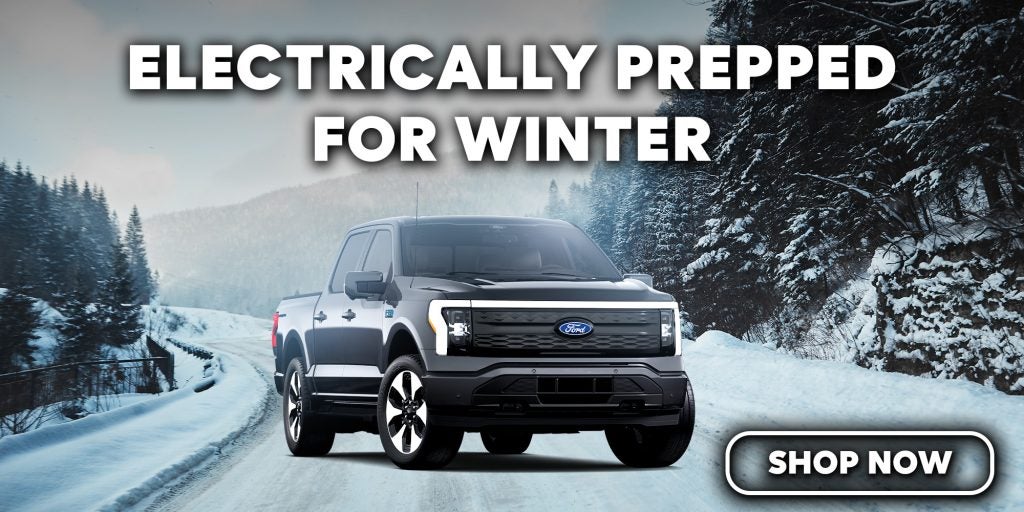
Power, Comfort, & Confidence All Winter Long For years, winter driving was the domain of gas-powered SUVs and trucks. But that’s changing fast as electric vehicles continue to improve their range, traction, and durability in snow. Today’s best EVs for cold weather from the various dealerships within Crossroads Automotive Group are designed to handle snow, slush, and freezing temperatures with ease, offering instant torque, all-weather grip, and quiet confidence that rivals even the toughest all-wheel-drive SUVs. The newest fully electric vehicles from Ford, Nissan, Dodge, Jeep, and Ram prove that electrification and winter readiness can go hand in hand. Whether you’re navigating icy roads or enduring low temperatures, these models represent the best EVs for cold weather that combine rugged performance with modern comfort. Get ready to explore the selection of the best EVs for cold weather from Crossroads Automotive Group today! Ford: Electric Confidence in Any Season The Ford F-150 Lightning remains one of the best EVs for cold weather, delivering strong battery performance and exceptional traction thanks to standard four-wheel drive. Its robust EV batteries are managed by a smart thermal system that helps reduce range loss in colder climates. Inside, heated seats and a heated steering wheel keep drivers comfortable even when winter weather turns harsh. The Ford Mustang Mach-E also ranks among the best EVs for cold weather, thanks to available dual-motor wheel drive that grips confidently on icy roads. Its smart thermal system and heat pump preserve battery performance and comfort in freezing temperatures, while heated seats and a heated steering wheel make every commute cozy. With responsive regenerative braking and efficient climate control, the Ford Mustang Mach-E is a stylish, capable choice for drivers seeking the thrill of performance and the assurance of all-season stability. Ford's upcoming Ford Ranger PHEV is expected to be released in the near future. You can contact your local Crossroads Ford dealer for more information on how the Ford Ranger PHEV performs in cold weather conditions. Nissan: Dependable Efficiency in the Col d Nissan is another leader in everyday EV reliability, and its lineup continues to shine among the best EVs for cold weather. The Nissan LEAF is a practical favorite, featuring a well-insulated lithium-ion battery pack and an available heat pump to help preserve battery performance and cabin warmth in freezing temperatures. Its low center of gravity and responsive handling give EV drivers confidence on icy roads, while heated seats, a heated steering wheel, and advanced climate control make winter commutes surprisingly comfortable. The Nissan ARIYA builds on that legacy with modern power and style. Its available e-4ORCE wheel drive system provides stable traction on snow-covered roads, while regenerative braking and smart energy efficiency tech maintain smooth control in cold conditions. Inside, thoughtful touches like heated seats and a heat pump ensure comfort and range consistency throughout the winter months, securing the Nissan ARIYA’s spot among the best EVs for cold weather. Dodge: The Electric Muscle Car Revolution The Dodge Charger Daytona EV marks a bold evolution in electric performance that blends muscle, comfort, and control. It's paired with twin electric motors and regenerative braking for instant torque and confident grip on snow-covered roads. Designed to maintain traction across a wide temperature range, the Dodge Charger Daytona uses an efficient heating system and smart climate control to preserve power in the cold, making it one of the best EVs for cold weather. Jeep: Rugged Electrification for Winter Adventures Jeep’s Wagoneer S and upcoming Recon EV bring off-road confidence to electrified driving, built for EV owners who crave adventure in cold climates. These models blend electric propulsion with Jeep’s legendary durability, creating some of the best EVs for cold weather where trail and snow meet. Their lithium-ion batteries include integrated thermal management to maintain optimal operating temperature during very cold weather, while available winter tires and advanced traction control enhance EV’s performance in cold climate driving. With four-wheel drive technology and durable battery electric vehicles architecture, Jeep ensures its EVs in winter remain reliable companions for mountain drives and blizzard commutes alike. Ram: Power & Range in Harsh Weather The upcoming Ram 1500 REV brings heavy-duty capability to the world of electric trucks—and it’s quickly being recognized among the best EVs for cold weather. Its long-range battery options and robust battery capacity help minimize battery charge loss in freezing temperatures. Intelligent thermal management helps maintain EV’s battery efficiency during cold weather performance, ensuring dependable starts and steady power output. Maximizing EV Performance in Winter Even the best EVs for cold weather benefit from a few smart winter habits: Precondition your EV’s battery before unplugging to maintain state of charge and reduce charging stops. Keep tire pressure properly maintained, as cold air reduces PSI and affects grip. Use home charging overnight to keep the battery temperature within an optimal operating temperature range. Limit air conditioning use and rely on heated features to preserve battery range. Use navigation system tools to locate fast charger stations on a long trip during the winter months. These small adjustments can make a big difference in how cold weather affects an EV’s range and overall EV cold weather performance. Get Ready For Winter Whether you’re facing icy roads, cold climate commutes, or planning a long trip, the best EVs for cold weather keep you charged, warm, and in control. From the Ford F-150 Lightning and the Ram 1500 REV's utility to the efficient Nissan LEAF and the powerful Dodge Charger Daytona, each of these brands, along with others sold at the various dealerships within Crossroads Automotive Group, prove that electrification thrives even in the harshest winter conditions. These models represent some of the best EVs for cold weather that are built to perform where it matters most. Visit your nearest Crossroads dealership to explore these winter-ready EVs today! SHOP EV MODELS

What Are The Best Sedans For The Snow?

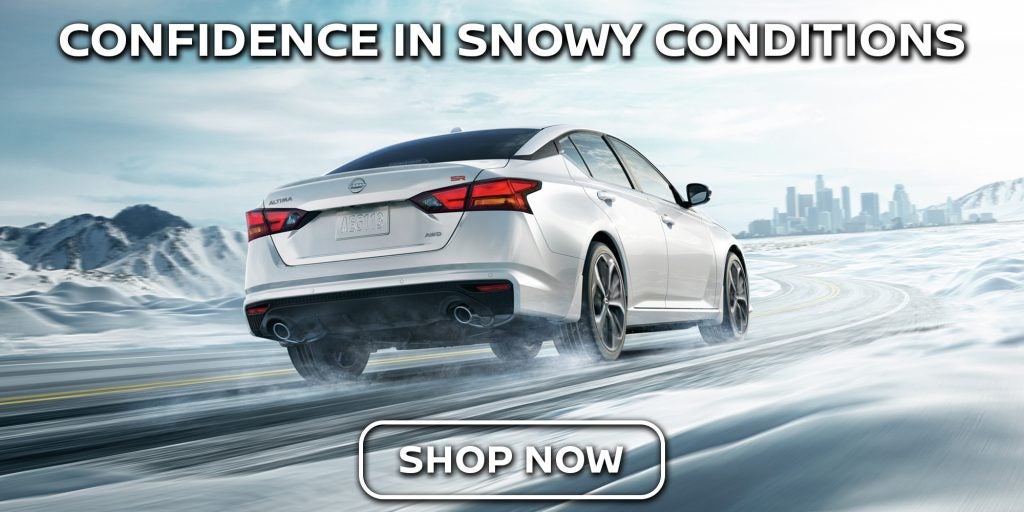
Best Sedans In Snowy Conditions When winter weather sets in and snow starts flying, shoppers often rush toward SUVs. But that overlooks the fact that many sedans offer excellent traction, balanced performance, and greater fuel efficiency—especially in cold weather. The newest Nissan and Dodge models prove you can drive confidently through snowy conditions without leaving sedan comfort behind. Below, we explore which models stand out as the best sedans for snow, along with key features to consider when shopping for the best option at our various stores within Crossroads Automotive Group. Winter Features to Prioritize Whichever make or model you choose, a few standard features make all the difference during the winter season when selecting the best sedan for snow: All-wheel drive or front-wheel drive with snow tires: both deliver confidence through snowy conditions, icy roads, and slippery conditions. Anti-lock braking systems and electronic stability control: these maintain traction and directional control on snow-covered roads. Heated steering wheel and heated front seats: comfort features that make any cold start manageable. Driver-assist and driver assistance features: modern systems such as lane departure warning, lane keep assist, and forward collision warning make every commute safer. Drive modes and snow mode: adjust throttle and transmission mapping for enhanced traction. Headlight washers: a small but useful upgrade for maintaining visibility in heavy snow. Each of these can turn an ordinary sedan into one of the best sedans for snow, capable of handling unpredictable weather conditions and messy parking lot exits with ease. Let's take a look at what each sedan from Crossroads' featured brands has to offer. Nissan: Smart Traction & Standard Safety Tech If you want one of the best sedans for snow, the Nissan Altima continues to shine as a top model in this category. Its available all-wheel drive system can proactively send power to different rear axles for better stability, adjusting to slippery conditions before you even notice. This makes the Nissan Altima one of the best vehicles for everyday commuters facing icy roads and snow-covered roads alike. The Nissan Sentra and Nissan Versa, both front-wheel drive sedans, deliver strong confidence when paired with quality snow tires and electronic stability control. These models include a robust driver-assist package—the Nissan Safety Shield® 360 like all Nissans—which provides automatic emergency braking, lane departure warning, blind-spot monitoring, and pedestrian detection. All are standard features that enhance peace of mind during the winter season. Inside, heated front seats, an available heated steering wheel, and premium convenience features turn even the most frigid morning commute into a comfortable one. The Nissan Altima’s smooth automatic transmission, efficient drive modes, and precise traction control system make it one of the best sedans for snow and a new car worth serious consideration this model year. Dodge: Modern Muscle Meets All-Weather Grip If you crave muscle but need confidence in winter conditions, Dodge delivers. The new AWD sedan version of the Dodge Charger merges performance with practicality, offering all-weather traction without sacrificing power. Its advanced part-time AWD layout allows torque transfer between rear axles, delivering grip through heavy snow and confidence in inclement weather. With available adaptive cruise control, lane keep assist, and forward collision warning, the Dodge Charger’s standard equipment transforms it from a sporty EV into one of the best sedans for snow. Add in heated rear seats, headlight washers, and multiple drive modes, and you have a true best car for drivers who want winter capability with year-round performance. Winter Is Coming You don’t have to have a bulky SUV to handle winter conditions. From the capable Nissan Altima to the bold Dodge Charger, the modern sedan market offers plenty of smart, stylish options to help you find the best sedans for snow. With the right snow tires, traction control system, and driver-assist technology, you’ll glide confidently through any storm. Explore these and more at our various stores within Crossroads Automotive Group, located throughout North and South Carolina and Virginia, today! SHOP SEDANS

Trade-In vs. Private Sale: Why Selling To A Dealer Is The Smarter Choice

The Smart Choice For Upgrading Your Current Vehicle When planning your next purchase, one of the first decisions you face is whether to proceed with a trade-in vs.private sale of your old car. Should you be trading in at a dealership or selling your car privately? Both options have their upsides and a few trade‑offs. At Crossroads Automotive Group, we’ve helped countless customers weigh the advantages of trading against the potential for a higher price you might get from a private buyer. Let’s explore how the trade‑in process stacks up against the journey of selling your car privately—from navigating test drives to managing title transfer—so you can make an informed decision. Once you discover that a trade-in vs.private sale is best done at a dealership, we'll happily connect you to one of our numerous dealers throughout North Carolina and Virginia. Understanding the Basics: Trade‑In vs. Private Sale When you choose to trade in your car, you typically drive to the car dealership, hand over your current vehicle, and start exploring a new vehicle with ease. A trade‑in offer can be applied as a tax credit or used toward the price of the new vehicle, which means sales tax savings on your next purchase. That’s one of those potential tax benefits and a great way to instantly reduce your out‑of‑pocket cost. On the flip side of a trade-in vs. private sale, a private party might pay top dollar, but the selling process often involves parking lot meetups, vetting prospective buyers, and more logistical headaches. From listing your used vehicle on trusted sites, like Autotrader or Kelley Blue Book, to setting an asking price and managing phone calls, selling your vehicle privately is time consuming. Plus, there’s the worry of hidden costs, safety concerns, and possibly less money if negotiations fall through. Convenience & Peace of Mind Let’s talk about the advantages of a dealership trade-in. A dealership handles everything, including minor repairs, vehicle history reports, and even bill of sale documents. They coordinate any title transfer and car loan payoff, even if there's an outstanding loan balance. No DMV lines, no bank hassle. You avoid meeting strangers for test drives and dealing with awkward or unsafe situations in parking lots. Get an immediate appraisal of your car’s value. Enjoy a smooth trade‑in process where the value of your trade applies to your next purchase—no guesswork, and tax credits potentially lower your new car’s price. Yes, selling privately might yield a higher offer when comparing a trade-in vs. private sale, but the dealership route tops that with speed, security, and simplicity. Safety First: Why Some Sellers Prefer Dealers Safety concerns are often underestimated when looking at a private sale vs. trade-in. Dealing with potential buyers, coordinating meetings, and handling test drives can feel uncertain. Verifying payment and ensuring a title transfer is complete is your responsibility, and a mistake can cost you. Conversely, dealerships are regulated, licensed, and offer a professional environment. That peace of mind means a lot to drivers who want to avoid late-night meetups or worrying whether or not a stranger will pay. Pros and Cons of Trading In vs. Selling Privately To summarize what a trade-in vs. private sale offers, let's review the pros and cons of each. Pros of Trading In Your Vehicle The process is fast, often completed in under an hour at the dealership. It’s safer—no need to meet strangers in parking lots or take test drives with unfamiliar people. Your dealership handles all the paperwork, including title transfer and loan payoff. You may qualify for a tax credit, reducing the final price of your new vehicle. You can immediately apply your trade-in value as a down payment on your next purchase. No need to invest time or money in advertising, detailing, or minor repairs. Cons of Trading In Your Vehicle You might receive a slightly lower offer compared to a private party sale. You have less control over the final selling price. Pros of Selling Your Car Privately You may receive a higher price, especially if your vehicle is in high demand. You can negotiate directly and set your own asking price. Cons of Selling Your Car Privately You’re responsible for everything—advertising, handling inquiries, and arranging test drives. Safety concerns arise when meeting with strangers and handling payment. You must manage the title transfer, bill of sale, and possibly lien releases. You may incur hidden costs like detailing, minor repairs, and vehicle history reports. The process can be time consuming, taking days or even weeks to finalize a sale. What Should You Do? Still deciding between a trade-in vs. private sale? If convenience, safety, speed, and simplicity are a priority, and you're ready for your next purchase now, trading in at a dealership within Crossroads Automotive Group is an excellent choice. You’ll avoid meeting strangers, minimize selling hassles, and benefit from trade‑in offers that directly lower your new car’s price. It’s also one of the best ways to ensure a smooth title transfer and handle any loan balance without DMV trips. While selling privately could be the smarter choice for getting top dollar on your ride, it doesn't mean peace of mind. All of the time, effort, and anxiety that comes with each task on your own throughout the process is alleviated at one of our dealerships throughout North Carolina and Virginia. Receive the best price on your current car with no pressure today! VALUE YOUR TRADE

How To Sell Your Car In North Carolina: Title Transfer, Taxes, and More

Navigating The Car Selling Process In North Carolina Selling your vehicle in North Carolina can feel overwhelming. When you add all the legal requirements of North Carolina law and paperwork, the selling process starts to look complicated. That’s where Crossroads Automotive Group simplifies things. By guiding you through everything from private sales to a dealership option that offers convenience and security, you'll be able to discover how to sell a car in North Carolina from our many stores. Private Sales vs. Dealership Convenience At first glance, you're probably wondering, "How do I sell my car privately in North Carolina?" Private sales seem attractive because you set the sale price, negotiate with potential buyers, and get competitive offers. You may even believe you maintain control over the car’s value and avoid dealership markups, but real life often brings delays, safety concerns, and uncertainties like lowball offers, missing appointments, or incomplete paperwork like a bill of sale, certificate of title, or title transfers. When you’re thinking through how to sell your car in North Carolina privately, you’re responsible for assembling the following documents. Original title or duplicate title Certificate of title showing ownership Lien release (if applicable) Inspection reports and maintenance records A valid driver’s license And possibly form MVR‑181 (affidavit of damage or loss) if you need a renewal title through the NCDMV Vehicle Registration Section. Mistakes in any of these can threaten the vehicle transfer or title transfers, locking you into lingering liability or invalid sales. That’s why North Carolina regulations make it so vital to document every step accurately. Why Crossroads Automotive Group Is Your Smartest Move If you’ve been searching what paperwork is needed to sell your car in North Carolina, know that the numerous dealerships within Crossroads Automotive Group handle it all, from verifying title status to preparing the bill of sale and ensuring transfer ownership goes smoothly under North Carolina law. They’ll take care of: Appraisal: we assess your car based on condition, maintenance history, and inspection reports. Offer: you receive a competitive offer based on real-time market value and tools like Kelley Blue Book. Paperwork: we manage everything from bill of sale to certificate of title, any duplicate title needs, lien release, and form MVR‑181 or renewal title filings with the NCDMV Vehicle Registration Section. Transfer Ownership: vehicle title transfers smoothly under North Carolina law, and the new owner steps in cleanly; you’re fully released. Payment: you walk away paid—no delays, no risks. The result of how to sell a car in North Carolina from a dealership? You get a competitive offer and peace of mind without managing the paperwork yourself. Maximizing Your Car’s Value & Speeding Up the Sale When you work with Crossroads Automotive Group, how to sell your car in North Carolina becomes streamlined, safe, and speedy. We use real-time data to assess your car’s market value properly, so you can walk away confident that you’ve received a fair and competitive offer. This isn’t just about speed, it’s about ensuring your car’s value is maximized. With expertise from our Ford, Nissan, Chrysler, Dodge, Jeep, and Ram dealers throughout North Carolina, you avoid underpricing or overpricing your vehicle. Plus, you save time, avoid the hassle of test-drives with strangers or coordinating meetups, and skip advertising costs. Documents You Need When Selling To successfully navigate the process of how to sell your car privately in North Carolina, several key documents and requirements must be addressed. The most essential is the certificate of title, whether it's the original or a duplicate if the original title is missing. If there's still a loan on the vehicle, a lien release will be necessary to ensure a clean transfer to the new owner. You'll also need a bill of sale, which outlines the terms of the sale, including the sale price, VIN, date, and both parties' contact information. In cases where the title is lost or damaged, you'll need to complete form MVR‑181 or apply for a renewal title through the NCDMV Vehicle Registration Section. Providing inspection reports and maintenance records adds value and trust to the sale, especially when dealing with potential buyers. A valid driver’s license is required for identity verification, and recording the VIN accurately is critical for processing the vehicle title transfers. Additionally, ensuring you have accurate and complete vehicle information will help determine the fair price for how to sell a used car in North Carolina. Utilizing resources like Kelley Blue Book and comparing similar listings in your area can make the process easier. Familiarizing yourself with North Carolina DMV processes and applicable law will help ensure your sale meets all legal requirements and goes smoothly. However, keep in mind that the dealerships within Crossroads Automotive Group would take care of all of this for you. Ready to Put Your Car Up For a Sale? If you're wondering how to sell your car in North Carolina, and you're weighing a private sale versus a hassle-free dealership process, Crossroads Automotive Group delivers confidence, speed, and strong value. Instead of managing complex paperwork, looking up market value manually, or worrying about the legal requirements, let the experts handle it. Whether your ride is a daily driver, an older used vehicle, or you're simply upgrading, our Crossroads dealerships across North Carolina are ready to make the entire car‑selling process transparent, efficient, and rewarding. So next time you ask, "How do I sell my car in North Carolina?," remember: there’s a smarter, safer, and faster way through Crossroads Automotive Group that'll take you from appraisal to transfer of ownership with ease and professionalism. VALUE YOUR TRADE

How To Prepare For A Car Trade-In: Documents & Tips

Everything You Should Know About Trading In Your Vehicle Considering a change in your vehicle? Whether you're aiming for more space, something more efficient, or just craving a new driving experience, trading in your current car is often the first big move. A common question we hear is, "What paperwork do I need to trade in my car?" Fortunately, Crossroads Automotive Group is here to guide you every step of the way. With the right preparation and documents in hand, you can unlock the full value of your trade-in. This guide walks you through everything you need to know, including what to bring when trading in a car, to make the process smooth and worthwhile. Visit any of our convenient locations across North Carolina to get started! When Is the Ideal Time to Trade? At Crossroads Automotive Group, we typically recommend trading in your vehicle between its second and fifth year. During this period, you've likely bypassed the steepest depreciation curve, and your car still holds strong resale value. For maximum return, consider trading before your odometer reaches key thresholds like 60,000 or 100,000 miles. One essential aspect of what to bring when trading in a car is a record of any upgrades, like new tires or aftermarket accessories, which can positively affect your appraisal. Steps to Take Before You Trade If you want to approach your trade-in with confidence, begin by researching your vehicle’s value on sites like Kelley Blue Book or Edmunds. Still owe money on your car? Contact your lender to obtain the payoff amount, as this info helps determine your equity. Whether you're looking to buy or lease your next vehicle, let us know so we can tailor the process to your goals. Being upfront about any recent mechanical issues or service needs is also helpful and ensures we provide a fair offer. Many drivers wonder, "What do I need to trade in my car at a dealership?" It starts with the right documents, a little prep, and knowing what to bring when trading in a car to avoid surprises. What You’ll Need to Trade In Your Car To help you come fully prepared, here’s a quick checklist of what to bring when trading in a car. Vehicle Title: If you've paid off your loan, bring the signed title. If not, bring your lender’s information and the current payoff balance. Current Registration: This proves you legally own the vehicle and that it’s up to date, regardless of whether it’s your daily driver. Government-Issued ID: A valid driver's license or another form of state-issued ID is required. Proof of Insurance: Only necessary if you're planning to buy or lease a new vehicle from us during your visit. All Keys and Remotes: Include every spare key or fob, because missing items can reduce your offer. Loan Account Info: Include your account number, current payoff statement, and lender contact info if you’re still financing the vehicle. Maintenance Records: Having a documented history of regular service or recent repairs can boost your car's value. These are the documents needed to trade in a car, and bringing them helps ensure your experience is smooth and efficient. Understanding what to bring when trading in a car positions you for the best possible offer. Prep Your Car to Boost Its Value A little effort goes a long way. Giving your vehicle a quick cleaning can increase its trade-in value. A freshly washed and vacuumed car makes a great first impression and shows that it’s been cared for. Remove personal belongings, wipe down surfaces, and consider adding a light polish if you can. You don’t need to invest in a full detailing service. Just show your car a bit of TLC. And remember, a clean and organized vehicle is just one half of the equation, while the other half is bringing all the right documents. That’s why knowing what to bring when trading in a car is essential to presenting your vehicle in the best light. We Make Trading Convenient Now that you’re clear on what to bring when trading in a car, you’re ready to make the most of your visit. From your registration and title to service receipts and spare keys, every detail contributes to your vehicle’s value. At Crossroads Automotive Group, we’re committed to making the process as simple and rewarding as possible. Whether you’re trading in a reliable commuter like the Nissan Rogue, a hardworking Ford F-150, or a bold Dodge Hornet, we’re here to make sure you get the best return. Still have questions? We’re happy to walk you through the details, from appraisal to paperwork, so you never feel uncertain. It all starts with knowing what to bring when trading in a car, and we’re here to help you every step of the way. Come visit any of our dealerships in North Carolina, and let us help you get top value for your trade-in today! VALUE YOUR TRADE

How To Trade In A Car With Negative Equity

Navigating A Trade-In When You Owe More Than Your Car’s Value Trading in your vehicle should feel like a fresh start, but what if you owe more than it’s worth? This situation is commonly called negative equity, and happens when your loan balance is higher than your car’s value. While it can feel discouraging, it doesn’t have to trap you financially. At Crossroads Automotive Group, we’ve helped many drivers successfully handle a negative equity trade-in. Our goal is to guide you through the process so you can make a smart financial decision for your circumstances. In this article, we’ll explain what a negative equity trade-in involves, how to calculate your equity, and the pros and cons of trading while still upside down on your loan. Stop by any of our North Carolina dealerships, and we’ll help you review your options. What Is Negative Equity? Negative equity happens when your auto loan balance exceeds the current market value of your car. For example, if you owe $22,000 but your car is only worth $17,000, you have $5,000 in negative equity. This situation is more common than many people realize. It often results from: Rolling a previous loan balance into a new loan Financing with no down payment or a small down payment Vehicle depreciation, especially within the first few years High-interest rate loans Because a new car can lose 20% or more of its value in the first year, it’s easy to find yourself facing a negative equity trade-in sooner than expected. How to Know If You Have Negative Equity Before considering a negative equity trade-in, you’ll want to determine whether you’re upside down on your loan. Here’s how: Check your loan payoff amount. This is the total amount required to settle your loan, which you can get directly from your lender. Find your car’s market value. Use trusted resources like Kelley Blue Book, Edmunds, or get an appraisal at a Crossroads Automotive Group dealership. Do the math. Subtract your vehicle’s current value from your payoff amount. If the number is negative, that’s how much negative equity you’re carrying. If it’s zero or positive, you have equity in your car. Knowing your numbers up front is the foundation for a successful negative equity trade-in. Can You Trade In a Car With Negative Equity? A negative equity trade-in is possible and fairly common. The dealership will pay off your existing loan, but any remaining balance gets rolled into your new loan. This means your new loan may start at a higher amount than the purchase price of your next vehicle. For example, if you owe $20,000, your car is worth $16,000, and you purchase a vehicle for $25,000, your new loan would total $29,000. Understanding this rollover is key before making your decision on a negative equity trade-in. Best Way to Trade In Car With Negative Equity The best way to handle a negative equity trade-in is by minimizing its long-term financial impact. Some strategies include: Make Up the Difference In Cash Covering the negative equity up front helps reduce your new loan amount. While it may feel like a hit in the moment, it lowers total interest costs and allows you to build equity in your new vehicle faster. Choose a Less Expensive Car Opting for a lower-priced vehicle makes it easier to absorb the rolled-over balance. This can be especially beneficial if you choose a car with better fuel efficiency or lower mileage, helping reduce ongoing ownership costs. Lease Instead of Finance Leasing can sometimes be a smart move if you’re considering a negative equity trade-in. Some dealerships, including Crossroads Automotive Group, may allow the remaining balance to be folded into a lease. This could mean a lower monthly payment, though it’s important to review the lease terms carefully to avoid higher costs over time. Delay Your Trade-In If You Can If you’re not in urgent need of a new car, holding onto your current one longer and making extra payments toward the principal can reduce or even eliminate your negative equity before attempting a negative equity trade-in. How Much Negative Equity Can I Roll Over? You might be wondering, how much negative equity can I roll over into the next loan? The answer depends on your lender’s guidelines. Every financial institution sets different limits, often based on your credit score, the price of the new vehicle, and the loan-to-value ratio they’re willing to accept. At Crossroads Automotive Group, our finance experts will explain these details, helping you understand how much negative equity can be rolled into your next deal. We’ll also walk you through how a negative equity trade-in affects your financing so you can make the most informed choice. Trade In Today With Crossroads While how to trade in a car with negative equity may sound daunting, it’s a challenge many drivers face, and it doesn’t have to stop you from moving forward. Whether you’re upgrading, downsizing, or simply ready for something new, a negative equity trade-in can be done strategically to keep you on track financially. At Crossroads Automotive Group, we’re here to give you clarity and confidence as you move forward. Our team will review your loan details, explain your trade-in options, and help you make the choice that’s best for your situation. Ready to see your options? Visit one of our dealerships in North Carolina today for a free appraisal and expert guidance on your negative equity trade-in. VALUE YOUR TRADE

How To Increase Your Vehicle’s Value

Thinking About Selling Your Car? If you're planning to trade in your vehicle, it all starts with the first impression. When you arrive at one of the Crossroads Automotive Group’s dealerships in North Carolina, our appraisal team gives a thorough inspection. They begin with a careful walkaround to check the vehicle’s condition and overall care. Have the oil changes been consistent? Were any repairs delayed or accidents left unaddressed? These small details can make a big difference in how much your vehicle is worth. We’ve seen thousands of trade-ins over the years, and we know how to increase the value of your car without spending a fortune on upgrades that rarely pay off. In this guide, we’ll walk you through smart, cost-effective steps that can help you get the best possible trade-in offer, allowing you to put more toward your next vehicle. And when you’re ready, value your trade at one of our dealerships today! Understanding What Determines Car Value Your car’s trade-in value is shaped by a handful of key factors. Things like make and model are just the start, as mileage, age, maintenance history, and current condition all matter. Staying on top of routine upkeep can help preserve your car’s value, while neglect can cause it to drop. Knowing how to increase car value by addressing these details early can prevent larger issues and improve resale potential. What to Do Before Trading in Your Car Make a Clean First Impression A common question we hear: Should I clean my car before trading in? Absolutely. A clean vehicle sets a positive tone from the start. Unfortunately, many people forget this step and show up with pet hair in the back seat or coffee spills in the cup holders. That can hurt your offer. Here are a few tips to bring back that showroom shine: A hand wash, followed by polish and wax, can restore gloss and hide light scratches. Steam-clean your carpets, freshen the upholstery, and use interior wipes for a like-new finish. Eliminate odors with a neutral-scent cleaner because smoke or pet smells can be deal-breakers. One of the easiest ways to increase car value is simply presenting your vehicle in its best condition. Tackle the Easy Fixes You don’t need to spend a fortune to increase your car’s value. Small fixes can go a long way. Swap out any burned-out bulbs, check fluid levels, inflate your tires, and consider a fresh oil change. If your check engine light is on, have it diagnosed, even if the repair is minor, it’s worth doing. These little efforts show your vehicle is road-ready and help avoid deductions during the appraisal. When it comes to how to increase car value quickly, small preventative repairs are a great place to start. Bring Your Maintenance Records Want to make your car stand out? Show your maintenance history. Service receipts or a digital log can offer proof that your vehicle has been regularly maintained. Oil changes, tire rotations, brake service, and major repairs all count. Organized service records play a big role in how to increase car value without doing anything new to the vehicle itself. Keep It Factory Aftermarket modifications can be fun, but they don’t always help at trade-in time. Custom rims, lifted suspensions, or high-end audio systems might appeal to some, but they often narrow your buyer pool. When in doubt, stick to stock. Vehicles in original condition are easier to evaluate and sell, which usually means a better offer for you. If you’re serious about how to increase car value, returning your vehicle to factory specs is often a smart move. Mileage and Age Matter You might be wondering, how long to keep a car for best value? Most vehicles hold their strongest value between three and five years of age, especially if they’ve averaged about 12,000 to 15,000 miles per year. Once you hit the five-year mark, depreciation slows down, but maintenance costs can rise. Condition still plays a huge role. A seven-year-old vehicle that’s been babied can easily outshine a younger car that’s been neglected. Consider an appraisal when your vehicle is paid off or before a major service milestone like 100,000 miles or a timing belt replacement. Being aware of market timing is a strategic way to increase car value in the long run. Timing Is Everything Choosing when to trade is just as important as how. If your vehicle is nearing the end of its warranty or a costly repair, trading in could help you stay ahead. On the flip side, if it’s in great shape and resale values are temporarily low, waiting might be the better option. Let our Crossroads team throughout North Carolina help you weigh your options based on market trends and show you how to increase car value based on your personal timeline. Trade With Confidence What to do before trading in your car doesn’t have to be a mystery. Smart trade-ins start with smart strategy. Think about your vehicle’s condition, maintenance history, and market timing. Clean it up, make the simple fixes, bring your service records, and stay informed. Our team at Crossroads Automotive Group are here to help you every step of the way, offering honest appraisals and a wide selection of new and pre-owned vehicles to fit your lifestyle. Visit one of our dealerships throughout North Carolina to learn more about how to increase car value, while making sure you’re getting every dollar you deserve at trade-in! VALUE YOUR TRADE

How Do Dealerships Determine Trade-In Value?

See What Your Vehicle’s Really Worth Ready to make a move toward something new? Whether it’s a new vehicle or a dependable pre-owned favorite, trading in your current vehicle can be a smart way to boost your buying power. But how dealerships determine trade-in value often raises questions for shoppers looking to maximize their return. At Crossroads Automotive Group, we’re here to demystify the process and give you clarity on what goes into your offer. From powerhouse trucks like the Ford F-150, Ram 1500, and Nissan Frontier to versatile SUVs like the Ford Expedition and INFINITI QX60, we’ll help you understand the ins and outs of vehicle trade-ins. Get started by visiting any of our dealerships throughout North Carolina! What Do Dealerships Look for When Trading in a Car? Trading in your vehicle isn’t just about handing over the keys. There’s a smart strategy behind how dealerships determine trade-in value, and it starts with data-driven insights. At our various Crossroads dealerships, we rely on trusted tools like Kelley Blue Book, Black Book, live auction data, and more, to benchmark your car against others on the market. We evaluate factors like vehicle type, demand, and pricing trends to ensure your trade-in offer reflects real market value. On top of that, we take your vehicle’s location, age, condition, and mileage into account. How dealerships determine trade-in value includes understanding local buyer behavior and market trends that influence resale demand in your area. Good Condition Goes a Long Way A well-kept vehicle can mean the difference between a modest offer and a strong one. When reviewing how dealerships determine trade-in value, vehicle condition plays a lead role. Clean interiors, minimal cosmetic damage, and a well-maintained exterior all help your car stand out during the appraisal. Dealerships don’t just look at your car’s age, they look at how it’s aged. Regular oil changes, tire rotations, and general upkeep prove your vehicle has been taken care of, which directly impacts how dealerships determine trade-in value. Mileage Matters: How Trade-in Value is Calculated Mileage is often a starting point in how dealerships determine trade-in value, but it’s never the only factor. While lower mileage typically equates to less wear, we also factor in how the vehicle has been driven and maintained over time. For example, a high-mileage Ford F-150 in great condition can still bring in a solid offer, especially if it has a reputation for performance and durability. Dealerships balance mileage with model desirability, upkeep, and demand to create a fair assessment. Keep Those Records Handy Want to boost your trade-in offer? Maintenance records can tip the scale in your favor. How dealerships determine trade-in value often includes a thorough review of service history. Showing that your vehicle has received regular care builds trust and gives appraisers more confidence in the car’s condition. Bring in your oil change receipts, inspection reports, or even the original window sticker. These details help complete the story behind your vehicle, and that story often results in a better offer. Modifications: Benefit or Bust? Upgrades can help, but only if they make sense to the next buyer. Part of how dealerships determine trade-in value includes weighing the impact of aftermarket modifications. New tires or protective add-ons like bed liners usually add value, while extreme customizations may reduce your car’s appeal to mainstream buyers. Vehicles that stick closely to factory specs often earn more during appraisal. That's because they cater to a broader customer base and reflect what most shoppers are looking for in a reliable used vehicle. Your Trade-In, Made Simple At Crossroads Automotive Group, we believe that transparency and fairness should be part of every trade-in experience. With locations across North Carolina, our team is ready to guide you through exactly how dealerships determine trade-in value from start to finish. Stop by anytime for a straightforward appraisal that’s backed by real data and expert insight. We’ll help you make the most of your current vehicle and take the next exciting step toward your next one. VALUE YOUR TRADE

How To Budget For A New Car

How To Budget For A New Car: Your Step-by-Step Guide Whether you're buying a brand-new or gently used vehicle, it's a major milestone. From insurance and maintenance to fuel and financing, the total cost of car ownership extends far beyond the sticker price. It's important to consider all the costs involved, including insurance, fuel, maintenance, and registration fees, to ensure your budget covers every aspect of ownership. That’s why setting a budget that aligns with your lifestyle is the key to a confident purchase. At Crossroads Automotive Group, our various stores throughout North Carolina know how exciting it is to shop for your next ride, and we’re here to help you make a decision that fits your wallet and your lifestyle. This guide serves as a resource to help you align how to budget for a new car by walking you through the process of setting a realistic car budget so you can enjoy the drive without the financial detours. Step 1: Know Where You Stand Financially Before diving into car listings and how to budget for a new car, take a close look at your current financial picture. It's crucial to understand your overall financial situation and monthly expenses, as these will directly impact how much you can afford to spend on a car. This gives you a clear view of how much you can truly afford. A helpful budgeting strategy is the 50/30/20 rule, which divides your income into 50% for necessities, 30% for miscellaneous, and 20% for savings or debt repayment. To determine how much you can afford to spend on a car, analyze your finances carefully and make sure your purchase won't cause financial strain. Another smart rule on how to budget for a new car is the 20/4/10 rule. Aim to put at least 20% down, limit your loan to four years, and keep your payment under 10% of your monthly income. If your budget’s tight, look for vehicles that fall into your “wants” category without crowding out your financial needs. Step 2: How Much to Save to Buy a Car When shopping for a car, it's important to set a realistic price range to ensure you stay within your financial limits and avoid unnecessary stress. To avoid overspending, try to keep your total car expenses between 15% to 20% of your monthly income. That includes your car payment, insurance, fuel, and upkeep. For example, if you earn $4,000 a month, aim to spend no more than $600–800 on car-related costs. If the purchase price of the car fits within your budget range, you're more likely to maintain financial stability. When you're wondering how to budget for a new car, keep in mind the initial investment. This includes upfront costs like down payment, sales tax and title fees, vehicle registration fees, and dealership charges. For a $25,000 car, that means setting aside $2,500 to $5,000 up front. While financing can help spread out payments, your initial out-of-pocket cost will still affect your overall budget. Your loan amount is typically determined by subtracting your down payment from the purchase price of the car. Step 3: How to Budget for a Car If you’re not paying in full with cash, understanding your financing options is essential. Auto loans allow you to break up the cost over time. Our Crossroads locations throughout North Carolina ensure that you're getting the best financing rate among other lenders, in addition to the peace of mind that it's at your selected dealership. If you're wondering how to budget for a new car, you're in good hands because we work with trusted financing partners to help you secure the best deal. Here are some factors to consider when financing. Loan Length: Longer terms reduce your monthly payments but increase your total interest paid. Stick with the shortest term you can comfortably afford, which is typically between 36 and 72 months. Interest Rates: These are based largely on your credit score. The better your credit, the lower your rate. Pre-Approval: Getting pre-approved gives you a clearer idea of your budget and puts you in a stronger negotiating position. Step 4: How to Buy a Car Within Your Budget Now that your budget’s in place, it’s time to choose your car! Start by assessing your needs before comparing different car models, including new and used. Evaluate features, fuel efficiency, reliability, and resale value. New cars often come with the latest technology and warranty benefits, while used cars can offer lower prices and slower depreciation. Don’t forget to consider the value of your old car as a trade-in, which can help with how to budget for a new car. At our various Crossroads locations throughout North Carolina, we offer a wide selection of new, pre-owned, and certified pre-owned vehicles to meet every price point. Knowing how to budget for a new car up front helps narrow your choices and avoid surprises. Step 5: Don’t Forget the Extras—Insurance, Warranties, & More Purchasing your ride isn't the end of it. There are more avenues you'll have to consider for how to budget for a new car, including: Insurance: Varies based on driving record, location, and vehicle type. Compare providers and ask about discounts. Remember, having an insurance car budget is a smart padding to have in your driving journey. Extended Warranties: Adds extra protection but increases initial cost. Fuel: This is an inevitable component of how to budget for a new car. By selecting models that are fuel efficient or electric, you'll notice a reduction in monthly gas expenses. Maintenance: How to budget for car maintenance varies because it includes routine service and the possibility of unexpected car repairs. Upgrades & Accessories: Tech add-ons, roof racks, or custom features can raise your final price quickly. Why Choose Crossroads? At Crossroads Automotive Group, we’re committed to helping you find the perfect vehicle without the pressure. With locations throughout North Carolina, we offer an expansive inventory, knowledgeable staff, and tailored financing solutions to make your car-buying journey smooth from start to finish. Visit one of our stores today to discover how simple buying your next vehicle can be. APPLY FOR FINANCING

How Loan Terms Affect Your Monthly Payment

Breaking Down Loan Term Options Your auto loan isn’t just a number—it’s a map. The route you choose affects how quickly you reach ownership, how much you pay each month, and the total cost of credit over time, which is directly influenced by the amount of money you borrow and how it impacts interest and affordability. When it comes to loan term length, every decision is a balance between short-term savings and long-term costs. So, how do loan terms affect your monthly payment, and what should you consider before signing to ensure the loan type matches your specific need or financial situation? At Crossroads Automotive Group, we’ve guided thousands of customers through financing, and we’ve seen firsthand how the right term length can be the difference between financial stress and confident ownership. By the end of this article, you’ll have a clear understanding of the real impact of loan duration—whether you’re leaning toward a shorter commitment or a longer stretch with lower payments. Lenders may offer a variety of loan terms, interest rates, and funding amounts, so comparing these offers is important to find the best fit for your needs. The Basics: What Is a Loan Term? When financing a vehicle, loan term length—measured in months or years—refers to how long you agree to make payments on your auto loan. Loan terms usually range from 24 to 84 months, and each end of the spectrum has different benefits and drawbacks. Short-Term Loans (24–48 months): Higher monthly payments, but lower interest costs over time. The amount you borrow is repaid over a shorter period, which reduces total interest. Long-Term Loans (60–84 months): Lower monthly payments, but typically higher interest paid overall. Spreading the same loan amount over a longer period increases the total interest paid. The type of loan you choose and the repayment period both influence your interest rate and monthly payment. Choosing between a short-term vs. long-term loan interest structure comes down to what matters more to you now—cash flow or total cost. It's important to fully understand the repayment terms before committing to a loan. The Cost of Credit: What You’re Really Paying How do loan terms affect the cost of credit? It’s all about how interest works. With every car loan, you’re paying to borrow money—and that cost increases the longer the lender holds your balance. The interest rate you receive directly impacts the total cost of borrowing, as even small differences in the rate can significantly change what you pay over time. So, do long-term loans have higher interest rates? In most cases, yes. Lenders often see long-term loans as higher risk because there’s more time for economic or personal circumstances to change. As a result, they typically charge more interest and, over time, you end up paying significantly more than the original price of the car. For example: A $30,000 loan amount over 36 months at a 5% interest rate might cost you $2,362 in total interest paid over the life of the loan. The same $30,000 loan amount over 72 months at a 7% interest rate could run you over $6,700 in total interest. That’s more than $4,000 in additional total interest just for taking longer to pay. A higher interest rate will increase the total interest you pay even further. It’s important to understand how you will repay the loan, as your repayment plan and loan terms directly affect your total costs. Why People Choose Long-Term Loans Despite the higher cost, many buyers choose long-term loans for one key reason: lower monthly payments. A longer loan term can make monthly payments more affordable, although it increases the total interest paid over time. For those seeking lower payments, a long-term loan is an option worth considering. But be cautious—this strategy may put borrowers at risk of owing more than their car is worth, especially in the early years when depreciation outpaces your loan payments. For some borrowers, a long-term loan may be a better fit if they need to finance larger amounts. When Short-Term Loans Make Sense If your goal is to build equity faster, save on interest, and own your vehicle outright sooner, a short-term loan is your best bet. Choosing a shorter loan means you'll pay less interest overall, which saves you money over time. Short-term loans work well for borrowers who want to pay off debt quickly, as you pay less in total interest with a shorter loan. Yes, your monthly payments will be higher, but the trade-off is worth it for many drivers who want to reduce debt quickly and avoid paying thousands in interest. And if you can afford to make extra payments each month, it makes sense for those seeking to reduce interest costs, as you can shorten the loan even further—just make sure your lender applies those payments to the principal. Choosing the Right Path for You There’s no one-size-fits-all answer. The right loan term depends on your budget, financial goals, and how long you plan to keep your vehicle. All relevant factors should be considered, including your financial situation, to ensure you choose the most suitable loan. Comparing lender offers is key to finding the best deal. Here’s how to weigh your options. Focus on Total Cost: Look beyond the monthly payment to see what you’ll pay over the life of the loan. Compare different loan options, repayment periods, and loan repayment terms to fully understand your commitment. Avoid Stretching Your Budget: Don’t commit to a short-term loan option if it strains your finances—missed payments can hurt your credit more than a longer loan ever could. Think Long-Term: Will the car still meet your needs in six years? If not, a long-term loan option may outlast your ownership. Financing With Confidence Understanding how loan term length affects both your monthly payment and the cost of credit is one of the smartest moves you can make as a buyer. Whether you're comparing short-term vs. long-term loan interest or asking if long-term loans have higher interest rates, the answer is always the same: informed decisions pay off. At Crossroads Automotive Group, we’re here to help you choose the best financing path—whether you’re buying new or used, trading in, or refinancing. Let’s make your next auto loan work harder for you, not the other way around. Visit any of our North Carolina locations to speak with a finance expert who puts your goals first. APPLY FOR FINANCING

Why You Should Consider Getting Pre-Approved For An Auto Loan

Getting Pre-Approved For A Loan If you’ve ever walked into a dealership and felt overwhelmed by financing options, interest rates, or confusing terms—you’re not alone. At Crossroads Automotive Group, we’ve seen it all. But there’s a simple way to flip the script and walk in with confidence: getting pre-approved for an auto loan. Car loans are one of the most common financing methods when purchasing a vehicle. So, should I get pre-approved for a car loan? In a word—yes. Getting pre-approved can save you time, money, and headaches by giving you a clear budget, stronger negotiating power, and peace of mind. Whether you’re buying your first vehicle or upgrading to your dream truck, pre-approval sets the tone for a better experience from start to finish. When shopping for a car, having pre-approval in hand streamlines the process and helps you focus on vehicles within your budget. What Does It Mean To Be Pre-Approved? Before we dive into the benefits, let’s break down how getting pre-approved for a car loan works. Pre-approval is when a lender evaluates your financial profile and conditionally agrees to lend you a specific amount for a vehicle purchase. It’s not a guarantee, but it gives you a reliable estimate of what you can afford—along with an idea of your potential interest rate. It's important to understand the difference between auto loan pre-qualification and pre-approval. Auto loan pre-qualification is an initial, non-binding process that usually involves a soft credit inquiry, meaning it won’t impact your credit score. Pre-approval, on the other hand, typically requires a hard credit check and represents a stronger commitment from the lender. Some lenders may use these terms interchangeably, so be sure to clarify which process you’re undergoing. Here’s how to get pre-approved for a car loan. Gather your info – You’ll need proof of income, employment details, and basic personal information. Apply with a lender – This can be done online or in person through banks, credit unions, or dealership partners. Get your pre-approval letter – This outlines your estimated loan amount, interest rate, and term options. Once you have that letter, you’re ready to shop with purpose. Why Pre-Approval Matters Now that we’ve covered the process, let’s answer the bigger question: is it better to get pre-approved for a car loan? Absolutely—and here’s why. Know Your Budget: Instead of guessing what you can afford or relying on sticker prices, pre-approval gives you a realistic price range. Your down payment, estimated monthly payment, and chosen loan term all factor into your budget and overall affordability. It helps prevent emotional overspending and ensures your final payment fits comfortably into your monthly budget. Leverage Your Buying Power: When you’re pre-approved, you’re seen as a serious buyer. Having a pre-approved loan increases your negotiation power at dealerships, positioning you similarly to a cash buyer who can negotiate more effectively on price and terms. Sales teams know you’re ready to make a deal, which often puts you in a better position to negotiate price, incentives, and trade-in value. Avoid Surprise Interest Rates: One of the biggest pain points for buyers is finding the perfect car—only to realize the financing doesn’t match. Pre-approval gives you the opportunity to compare offers and compare rates from multiple lenders, helping you secure the best interest rate, the most competitive auto loan rates, and the best loan for your needs. Reviewing different loan offers during pre-approval can also help you find a better interest rate and more favorable loan terms. Pre-approval gives you a clearer picture of the rate you’ll qualify for before emotions enter the equation. Save Time at the Dealership: With financing already lined up, you can streamline the process and save time at the dealership. Having approvals in advance, like a pre-approved auto loan, means you can spend more time comparing vehicles—and less time in the finance office. At Crossroads Automotive Group, we’re all about making the process easier, and pre-approval is one way to speed things up. But Does Pre-Approval Affect My Credit? Pre-approval usually involves a soft credit check, which doesn’t impact your score. However, pre-approval may involve a soft credit inquiry, but the official application will require a hard credit pull or hard credit inquiry, which can temporarily lower your credit score. If you apply with multiple lenders within a short period, it typically counts as one inquiry on your credit report, minimizing the impact on your credit score. Multiple hard inquiries made within a short window are generally treated as a single event for credit scores. Before applying, it's important to review your credit reports and credit history, and check your credit to ensure all information is accurate and to improve your chances of approval. Still, this is a normal part of financing and shouldn’t scare you off from doing your research early. Empower Your Purchase Still wondering, should I get pre-approved for a car loan? Think of it this way: would you go house hunting without knowing your mortgage budget? Probably not. A car may not be as big of an investment as a home, but it still impacts your finances in a major way. Pre-approval puts you in control from the very start. At Crossroads Automotive Group, we make it easy to explore financing options that fit your lifestyle—before you ever step foot on the lot. Whether you're shopping in North Carolina, our finance teams are ready to help you get pre-approved and on the road with confidence. Let’s make your car-buying experience faster, smarter, and less stressful. Start your pre-approval online today or visit your nearest Crossroads location for personalized support. APPLY FOR FINANCING

Contact Us

Fill out this form below and we'll contact you shortly
*Required Fields