
Everything You Need To Know About Buying A Car
Buying a vehicle usually feels complicated when the numbers, paperwork, and timing are unclear. For shoppers trying to understand how our car-buying process works at Crossroads Automotive Group, the useful starting point is not the showroom but the sequence of decisions that shape price, payment, and fit. This guide explains the process of buying a car from a dealer in a practical order, so you can move from research to delivery with fewer surprises.
Finding Your Next Drive: Following the Steps Of The Car Buying Process
Buying a car from a dealer can be easier if you think of it as a series of connected choices instead of just one big purchase. In North Carolina and South Carolina, shoppers often balance rugged driving, family use, commute distance, and winter road conditions, so the right vehicle choice depends as much on use case as on price.
A first-time car buyer in North Carolina and South Carolina, can benefit from learning the process of buying a car from a dealer before comparing models, and national consumer guidance emphasizes doing key preparatory work in advance, such as setting a budget and arranging financing. That matters because trade equity, financing terms, taxes, and insurance can change the real cost more than the window sticker alone.
What You Can Expect From Our Dealership Car Buying Process
Our team organizes the process of buying a car from our dealer into a clear progression: inventory search, payment estimate, trade review, financing application, term review, and final paperwork. The process of buying a car from our dealer is practical for shoppers across North Carolina and South Carolina because it turns broad research into decisions you can verify with numbers.
Who This Guide Is For
This guide is for drivers who want a method, not just a model list, whether they are comparing a Nissan Armada for family travel or a Jeep Grand Cherokee as a first-time car buyer. The key advantage of a structured process is that it reduces emotional overspending by forcing each vehicle choice to pass a budget test.
What You Will Have By the End
By the end, you should know what information to gather, which online tools to use, and what to expect before signing. If you are considering something like a Dodge Charger, that preparation helps you separate lifestyle appeal from the full ownership cost.

Step 1: Narrow Your Vehicle Search With Real-World Needs
The process of buying a car from a dealer starts with filtering our vehicle inventory by purpose, not by impulse. A new vehicle may offer the latest features, while a used vehicle can change the budget equation, but vehicle condition and a CARFAX Vehicle History Report™ often matter more than age alone when comparing options like a Ford Explorer.
Choose New, Used, or Certified Pre-Owned
A new model may suit a shopper who wants current technology, warranty coverage, and a predictable maintenance schedule. A used or certified pre-owned model can make sense when purchase price matters more than having the newest model year.
Match Capability to Your Driving in the Carolinas
Capability should match the roads and routines you actually have, not the ones you imagine a few times a year. A Ford F-150 may suit towing, work use, or rural property needs, but a truck’s size, fuel costs, and parking footprint should still fit daily life throughout North Carolina and South Carolina.
Step 2: Turn Research Into Numbers With a Payment Estimate
A vehicle choice becomes real when you convert it into an estimated monthly payment using down payment, term length, and financing assumptions. This step in the process of buying a car from a dealer matters because a test drive can confirm comfort, but only payment planning confirms sustainability.
How to Use Our Payment Calculator
Our payment calculator helps you test scenarios by adjusting price, down payment, and loan length before you visit. Changing the trim level often changes payment more than shoppers expect, because higher trims typically raise the purchase price and, if you finance the difference, increase the amount financed and total interest paid over the life of the loan.
Common Payment Planning Mistakes to Avoid
The most common mistake in the process of buying a car from a dealer is shopping for a payment target without checking the total financed amount and the loan term. Another is choosing more towing capacity than you need, then absorbing higher purchase and operating costs for a capability you rarely use.
Step 3: Value Your Trade and Understand Equity
Trade-in value affects both the deal structure and the monthly budget, so it should be reviewed early, not at the end, if you’re planning to trade in your vehicle for an upgrade. Knowing your trade-in value up front can help set a realistic budget and reduce how much you need to finance. Positive equity can reduce what you finance, while negative equity can increase the next loan balance, which is why the process of buying a car from a dealer should include a realistic trade analysis.
Start Online, Then Confirm In Person
You can begin a trade-in estimate online, then confirm condition and market factors in person, since trade-in offers depend on factors like age, mileage, and condition. Pairing a trade review with online pre-approval provides a clearer picture of affordability, as both vehicle value and borrowing capacity shape the final numbers.
What to Bring for a Trade Appraisal
Bring the title, if available, registration, both keys, and service records if you have them. You should also know the payoff amount on any current loan, because equity cannot be calculated accurately without the remaining balance.
Step 4: Apply for Financing and Get Pre-Approved Before You Visit
Pre-approved financing gives structure to the process of buying a car from a dealer by setting realistic boundaries before you choose a vehicle, and it can strengthen your negotiating position by helping you focus on the car’s total price rather than being steered only by monthly-payment tactics. Loan term, estimated rate range, and approval amount help you compare options based on total cost, not just monthly payment.
What Pre-Approval Helps You Decide
In the process of buying a car from our dealer, pre-approval helps you evaluate whether a vehicle fits your likely credit approval range and expected APR. That matters because a lower-priced vehicle with a shorter term can sometimes cost less overall than a slightly cheaper payment stretched over more years.
Where to Apply Online
Our online pre-approval page lets shoppers submit financing information before arriving at the store. Early rate visibility is useful because even a modest change in interest rate can materially alter total repayment over the life of the loan.
Step 5: Review Options With Our Finance Department
Once a vehicle and application are in place, our finance department helps connect the numbers to actual lending options. A lender network is useful here because financing is not one figure but a set of terms, and the process of buying a car from a dealer becomes clearer when each term is explained in plain language.
What We Review Together
We review loan length, estimated payment, available structures, and how credit history may affect the offer. That conversation matters because shoppers often focus on approval itself, while the long-term impact usually comes from term length, rate, and total financed amount.
Finance Department Reference Page
Our finance department reference page and credit application tools help shoppers organize the process before signing. Using those resources early can reduce delays, especially when buyers need time to carefully compare options.
Step 6: Finalize Paperwork, Delivery, and Follow-Through
The final stage of buying a car from a dealer includes paperwork review, signatures, fees, registration details, and delivery timing. This is where small omissions create delays, so organized documents usually matter as much as the financing decision itself.
What to Bring on Purchase Day
Bring your driver’s license, proof of income if requested, current registration for a trade, and any lender or insurance documents already discussed. You should also be prepared for taxes, title items, and standard purchase-related fees that affect final out-the-door figures.
After You Choose the Vehicle, What Happens Next
After the vehicle is selected, final figures are confirmed, documents are signed, and proof of insurance is usually required before delivery is completed. This stage is straightforward when earlier steps were handled in order, which is why preparation shortens transaction time.

Common Questions and Missteps We Help Shoppers Avoid
The biggest errors in the process of buying a car from a dealer usually stem from incomplete preparation, not from the vehicle search itself. Common mistakes include skipping research, failing to set a budget, and not lining up financing before visiting dealers. Shoppers often arrive without a driver’s license, trade payoff details, or a clear budget, and those missing pieces slow down decisions that could otherwise move quickly.
A Simple Prep Checklist
Use this checklist before you shop:
- Set a realistic budget.
- Estimate payment online.
- Value your trade.
- Apply for financing.
- Bring identification and insurance details.
Key Takeaways and Next Step
The process of buying a car from a dealer works best when each step answers a different question: what fits, what it costs, what your trade changes, what financing allows, and what paperwork completes the purchase. For shoppers learning how to buy a new car from a dealership, that sequence creates clarity by replacing guesswork with verified information.
Recommended Order of Operations
Start with vehicle research, then estimate payment, value your trade, complete pre-approved financing, review terms, and finalize delivery. The process of buying a car from a dealer is simple when followed in order, and that order helps North and South Carolina shoppers make decisions with fewer last-minute changes. Visit Crossorads Automotive Group to get started today!
FAQs
What are the steps in the car-buying process?
The steps of the car-buying process usually include choosing a vehicle, estimating payments, valuing a trade, applying for financing or getting pre-approved, reviewing terms, and then signing paperwork and taking delivery. Following that order makes it easier to track the process of buying a car from a dealer.
What is the $3,000 rule for cars?
Many shoppers use it as a personal budgeting guideline, often as a target down payment or emergency cash buffer, but it is not an official lending rule. The right amount depends on your cash flow, trade equity, and total ownership costs.
What is the biggest mistake that first-time car buyers make?
A common mistake is focusing only on the monthly payment. Loan term, fees, insurance, the total financed amount, and any negative equity can significantly change the real cost.
What Makes a Car Dealership Trustworthy?

Evaluating Dealership Credibility: A Shopper’s Guide
Buying or servicing a vehicle can go wrong in expensive ways when pricing, condition, or financing details stay vague until the last minute. For shoppers asking, “What makes a dealership trustworthy?,” the useful answer is not branding language but a set of reputable habits you can verify before you sign.
At Crossroads Automotive Group, we pride ourselves on building lasting relationships with drivers across North and South Carolina. Our experience in the industry has highlighted the importance of transparency and trust. This guide will help you identify the positive indicators of a reliable dealership process, ensuring a smooth, enjoyable experience without any unexpected surprises. Let’s navigate the journey to your next vehicle together with confidence!
Why Trust Matters When You’re Buying or Servicing a Vehicle
In North and South Carolina, where taxes, title rules, and registration steps can vary by transaction, trust matters because small paperwork gaps can lead to costly corrections later. At Crossroads Automotive Group, we prove ourselves through consistency, not slogans, because the quoted price, the vehicle story, and the finance terms should align from first click to final signature. That is the real framework behind what makes a car dealership trustworthy: a buyer-first process that stays stable across sales, finance, and service.
Transparent Pricing and Straightforward Buying Practices
One of the biggest reasons shoppers feel confident buying from Crossroads Automotive Group is the way the process is presented clearly from the start. Pricing is what makes a car dealership trustworthy and should be easy to follow, consistent from one step to the next, and simple enough that you do not have to wonder whether the numbers will change later. When you can review a vehicle online, speak with the store, and sit down to finalize details without hearing a different story each time, the entire experience feels comfortable.
Understanding the Out-the-Door Price: A Simplified Approach to Car Buying
The out-the-door price is one of the most helpful numbers to focus on when determining what makes a car dealership trustworthy because it gives shoppers a clear picture of what they can expect to pay. A new or pre-owned vehicle may look appealing at first glance, but comparing the full price is what really helps buyers understand the offer’s value. That is one reason many customers appreciate working with Crossroads Auto Group. A clear pricing conversation makes it easier to compare vehicles, plan a budget, and move forward with confidence.
This also matters when the conversation of what makes a car dealership trustworthy turns to monthly payments. Payments can be structured in different ways depending on the loan term, interest rate, down payment, and trade-in value, which can make two offers look similar when they are not. When a dealership keeps that conversation straightforward, it becomes much easier to tell whether the offer truly works for your needs.

Honest Vehicle Information: History, Condition, and Inspection Proof
What makes a car dealership trustworthy is when it shares what it knows about prior use, reconditioning work, and known issues, rather than waiting for the buyer to discover them. A clean presentation alone is not proof of quality, because appearance can mask deferred maintenance or prior damage. Our team can provide documentation for pre-owned vehicles, including a CARFAX® report and available service records, to give you complete transparency into the vehicle’s history and condition.
Vehicle History Reports and Title Clarity
A CARFAX Vehicle History Report™ can reveal accidents, ownership changes, mileage reporting, and some service events, which helps buyers identify patterns rather than isolated facts. Title status is non-negotiable because a salvage title or rebuilt title can materially affect resale value, financing options, and insurability.
Certified Pre-Owned Standards
Certified Pre-Owned vehicles give shoppers more than a label. It gives them real reasons to feel confident in what they are buying, from a detailed multi-point inspection to vehicle history verification and written warranty coverage. When those standards are clearly defined, it becomes much easier to understand what makes a car dealership like ours trustworthy, the value of the vehicle, and to shop with greater peace of mind.
Our program is built around the details that matter most to used-car shoppers, including thorough inspections, verification of history, and added ownership benefits that build extra confidence in the experience. When certification standards are clearly written and easy to review, shoppers can feel more comfortable with what makes a car dealership like ours trustworthy, knowing the reassurance is backed by a process, not just a promise.
Sales Behavior That Builds Trust and Pressure Tactics That Break It
At Crossroads Auto Group, a better shopping experience starts with a conversation that feels helpful, not rushed. What makes our car dealership trustworthy is that our sales approach is centered on understanding what customers actually need, including budget, lifestyle, driving habits, and the features that matter most. That kind of consultative process makes it easier for shoppers to explore their options with more confidence and less pressure.
Instead of pushing urgency first, what makes our car dealership trustworthy is our focus on clarity, transparency, and helping each customer make the choice that best fits them. When shoppers can ask questions, review numbers clearly, and take the time they need to feel comfortable, the experience becomes far more reassuring. That customer-first approach is one of the qualities that help make the dealerships of Crossroads Auto Group ones shoppers can feel good about visiting.
A Quick “Trust Test” During the Test Drive and Walkaround
We pride ourselves on knowing what makes a dealership trustworthy by creating a welcoming environment during your walkaround experience. Our knowledgeable sales team is eager to answer any questions you may have about important features like tires, brakes, warning lights, prior repairs, and safety features. We know that our transparency during the inspection process fosters trust and confidence in your decision-making.
Our team understands the importance of helping you become familiar with controls, driver-assistance features, and the basics of the owner’s manual, because that’s what makes a dealership trustworthy. Our commitment to respecting your decision time means you can explore your options without feeling rushed, ensuring you make the best choice for your needs. At Crossroads Automotive Group, our focus is on providing you with a pressure-free, informative experience that prioritizes your satisfaction and peace of mind.

Financing Clarity: Rates, Terms, and a Secure Process
What makes a dealership trustworthy when it comes to financing is that the APR, loan term, total finance charge, and optional products are explained separately and in writing. Buyers should compare pre-approval from a bank or credit union with dealer-arranged financing because either route can be competitive depending on credit profile and lender programs.
Our team also offers a secure online finance application, which matters because convenience should not come at the expense of data handling or document clarity. Financing trust is built when digital speed and written disclosure work together.
Questions to Ask Before You Sign
To ensure a smooth, transparent loan process, confirm the APR, loan term, total payments, and whether there are any prepayment penalties. Additionally, it’s helpful to understand any differences between the financed amount and the advertised price, as factors such as taxes, fees, products, and negative equity may affect the final figure. This way, you can make informed decisions and feel confident about what makes a dealership trustworthy when it comes to your financing options.
Incentives and Appreciation Offers: How to Keep Them Transparent
Incentives and appreciation offers can reduce costs, but eligibility varies by OEM and program rules. Buyers should ask what documentation is required and whether a rebate is already reflected in the advertised price. Our team may also help shoppers review our appreciation programs, including military, first responder, educator, college, and similar offers where available.
Selection and Fit: A Trustworthy Dealership Helps You Choose the Right Vehicle
At Crossroads Automotive Group, we understand what makes a dealership trustworthy, and that quality selection is key to finding the perfect vehicle that complements your budget and lifestyle. Our diverse inventory, including new, used, and commercial vehicles, gives you the flexibility to explore options and find the ideal fit for your unique needs.
As a multi-brand group, we pride ourselves on offering a wide range of automotive brands that cater to different preferences without forcing you into a one-size-fits-all solution. A personalized approach builds trust and fosters a positive ownership experience that extends far beyond your initial purchase. With our team, you can navigate your vehicle shopping journey with confidence and ease, knowing that we prioritize your satisfaction and long-term happiness.
Matching the Vehicle to the Job, Not the Other Way Around
When considering a new vehicle, it’s essential to start with your non-negotiables to ensure you make the best choice for your lifestyle. Think about your cargo needs: will you be carrying tools, sports equipment, or family gear? Assess your typical commute length and whether you’ll be driving in challenging winter conditions. Additionally, if you require towing capabilities for a trailer or boat, it’s crucial to factor that into your selection. Safety should always be a top priority, so consider the safety ratings and features of potential vehicles as well.
For instance, if you’re leaning towards adventure and off-roading, the Jeep Wrangler is an excellent choice, built to tackle rugged terrains with ease. On the other hand, if you need a reliable truck for both work and play, the Ford F-150 offers impressive hauling capacity, comfort, and advanced technology. If you’re looking for an environmentally friendly option with modern flair, the Ford Mustang Mach-E provides a blend of electric efficiency and sporty performance. Each of these vehicles is designed for specific needs, so prioritizing your usage requirements will guide you towards the right recommendation that fits your lifestyle beautifully.
Ownership Confidence: Warranties, Protection Options, and Service Support
Post-sale support is a key factor in enhancing what makes a car dealership trustworthy, as it reflects a commitment to maintaining relationships even after the sale. Clear written warranty terms, transparent service scheduling, and effective communication regarding repairs demonstrate that the dealership is dedicated to supporting your vehicle for the long haul. Our team is here to clarify your financing options and warranty coverage in straightforward terms, complete with comprehensive documentation, to support your peace of mind and confidence in your purchase.
Service Department Transparency After the Sale
At our Crossroads stores, we pride ourselves on doing what makes a car dealership trustworthy through our reliable service department, which ensures a smooth experience with detailed written estimates and clear approval processes. We also make a clear distinction between recommended and necessary repairs, so you always know what to expect. Plus, our thorough service records enhance your vehicle’s resale value, allowing future buyers to appreciate its well-documented maintenance history and make confident purchasing decisions.

Selling or Trading In: Fair Appraisals and a Clear Process
Our trade tools are our commitment to providing a transparent, efficient process for trade-ins and direct sales, ultimately fostering trust among our customers. Our program provides you with an instant cash offer process that ensures every appraisal is fair and thoroughly documented. We consider what makes a car dealership trustworthy, including transparency around mileage, condition, market demand, equipment, and anticipated reconditioning costs to provide clear, meaningful valuations.
How to Prepare for an Appraisal Without Guesswork
When bringing in a financed vehicle to trade, include payoff information, keys, registration, and available maintenance records. Inquire about how the offer is calculated and whether it has an expiration date.
Key Takeaways and Next Steps
What makes a car dealership trustworthy is transparent pricing, documented vehicle condition, clear financing, and dependable post-sale support. Buyers protect themselves by verifying claims, comparing out-the-door numbers, and getting every important promise in writing.
Our dedicated team at our Crossroads stores prioritizes transparency in pricing, making it easy for you to understand your options. We offer secure online access for new and used vehicle financing applications and provide comprehensive documentation on Certified Pre-Owned vehicles and warranty coverage. Whether you’re looking to browse our inventory, explore trade-in values, apply for financing, or check out available programs, we invite you to do so at your convenience and comfort. We’re here to support you in your car-buying journey and make your experience enjoyable!
FAQs
How do you know if a dealer is trustworthy?
Look for clear out-the-door pricing, written disclosures, a vehicle history report when available, and direct answers to your questions. A trustworthy store will also explain add-ons honestly and allow time for review.
What is the $3,000 rule for cars?
It is a budgeting guideline some shoppers use for very low-priced vehicles. The idea is to leave room for immediate repairs so the purchase does not strain your finances right away.
What is a red flag in a car dealership used for?
Common red flags include last-minute fee changes, refusal to provide numbers in writing, and pressure against an independent inspection. A transparent process should feel straightforward, not rushed or evasive.
What makes a car dealership trustworthy?
A trustworthy dealership is transparent, respectful, and consistent from listing to delivery and service. That includes clear pricing, honest communication, financing clarity, vehicle history information, and support after the sale.
Why should I choose a dealership that offers financing tools, vehicle protection programs, and community support?
Those features can indicate a dealership is focused on the full ownership experience, not only the transaction. Financing tools reduce friction, protection options can add clarity around future costs, and community involvement shows local accountability.

Online Car Shopping vs. Dealership Shopping: What to Expect and Why In-Person Still Wins
A lot of shoppers start with the same question: should you click through an online checkout or spend a few hours at a local showroom? When evaluating buying a car online vs. at a dealership, the real issue is not whether technology works, but whether convenience can replace certainty, support, and a proper test drive.
This guide from Crossroads Automotive Group explains where online tools help, where they fall short, and why an in-person purchase usually produces fewer surprises. It is written for buyers who want a smoother decision, a clearer final number, and more confidence before signing. Get started by visiting one of our stores across North Carolina or South Carolina today!
The Real Choice: Convenience vs. Confidence
An online car buying platform can save time, especially if you are comparing a used car and a new car across multiple sellers without leaving home. While reputable platforms can simplify browsing in digital retail, convenience does not automatically improve decision quality.
The stronger comparison is speed online versus confidence in person, because the dealership visit answers questions that a listing page cannot. Most buyers already use a hybrid method anyway, researching online first and then visiting a store to confirm condition, pricing, and fit before committing.
Who This Guide Is For
This guide is for first-time buyers who want fewer surprises and for experienced shoppers comparing online platforms with local dealerships on the same vehicle. It also fits buyers considering direct-to-consumer brands, where digital ordering is streamlined but still does not eliminate the need to verify comfort, visibility, and ownership costs.

Step 1: Compare the Shopping Experience
Online shopping wins the early search phase because you can scan hundreds of vehicles, sort by mileage, and review a CARFAX Vehicle History Report™ in minutes. That speed matters, but price transparency on a screen still does not tell you how the car feels, whether the cabin works for your body, or how financing variables like interest rate affect the real deal.
A dealership narrows the process in a more practical way because the inventory, including certified pre-owned models, is physically present and staff can guide comparisons in real time. Our stores from Crossroads Automotive Group reduce stress through hospitality and direct answers, which is valuable because a shorter list with better context often beats a larger list with more uncertainty.
Online Shopping Strengths
Shopping from home at any hour is the clearest online advantage, especially for buyers balancing work, family, and limited time. Digital tools also make prequalification fast, which helps you estimate budget range before you invest energy in a specific car.
Dealership Shopping Strengths
A showroom lets you compare seating position, outward visibility, cargo space, and control layout in minutes, which no photo gallery can replicate. Staff can also explain how your credit score may affect lender options and monthly cost, turning abstract financing assumptions into concrete choices.
Step 2: Test Drive and Inspection
For most people, a test drive is not optional because ride quality, road noise, brake feel, steering weight, and seat comfort only become clear in motion. A dealership visit to one of our stores across North and South Carolina also exposes details that photos often miss, including tire wear, smoke odors, paint mismatch, windshield chips, and signs of rushed reconditioning.
That matters because trust in a vehicle comes from reducing the “what did I miss?” problem before money changes hands. In practical terms, in-person inspection lowers post-purchase regret more effectively than any polished listing description.
How to Run a High-Value Test Drive
Drive on city streets and the highway, then test parking, acceleration, braking, and blind-spot visibility in realistic conditions. Check seat support, infotainment ease, and driver-assist behavior, because a feature that looks impressive online can feel intrusive or confusing on the road.
If You’re Considering Online Delivery, Do This First
Read the return policy and trial period line by line, because a headline promise can hide itemized fees, mileage limits, or a restocking fee. Understanding these details can help prevent buyer’s remorse later. Request the vehicle history report, confirm inspection standards and request the inspection report, and ask who pays if the car goes back, since return friction often determines whether online convenience was real.
Step 3: Pricing, Negotiation, and the “Out-the-Door” Number
An online sticker price often looks cleaner, but the final bill can expand once sales tax, transport, accessories, and service products appear. At one of our Crossroads dealerships, negotiation may create more flexibility, especially when local stores are competing on similar inventory and you can compare offers the same day.
The number that matters is the out-the-door price, not the headline price, because it combines vehicle cost, taxes, fees, and add-ons into the amount you actually pay. Buyers who focus on that total make better decisions because they measure reality instead of marketing.
What to Ask For Before You Commit
Ask for an itemized out-the-door breakdown that includes taxes, registration, doc charges, and every optional product. You can also ask whether the store uses fixed pricing or negotiable pricing, because that changes your strategy and helps you identify valid dealer incentives without confusion.
Common Fees That Change the Math
Online purchases may include a shipping fee, delivery fee, and return-related costs that make a low advertised price less impressive. Dealership purchases may include a documentation fee and dealer add-ons, so the smart move is to compare total numbers line by line rather than assuming either channel is simpler. You won’t be blindsided at Crossroads Automotive Group, because our dealerships break down everything for you.

Step 4: Financing Speed Online vs. Control at the Dealership
Online tools can provide prequalification quickly, but platform financing may offer fewer pathways than a dealership working with several lenders. That difference matters because more lender competition can improve approval odds or pricing, especially for buyers with uneven credit histories. Some platforms also offer pre-approval options, but comparing multiple lender offers remains important.
The best practice is to arrive with a pre-approval and then compare it with dealership financing in real time. Control comes from having options, and the finance office can explain tradeoffs immediately instead of leaving you to interpret loan language on your own.
Financing Terms to Compare No Matter Where You Buy
Compare APR, loan term, down payment, monthly payment, and total interest before you look at convenience claims. A lower payment can still raise the total cost of ownership if the term is longer or the rate is higher.
Why Real-Time Q&A Matters
Ask who the lender is, whether the rate is locked, what insurance is required, and whether any product is optional. Real-time clarification prevents misunderstandings about payoff timing, title work, and registration, which are common sources of buyer frustration.
Step 5: Trade-Ins and Appraisal Accuracy Improves In Person
An online estimate is useful as a starting benchmark, but it is still not a final appraisal. At one of our Crossroads dealerships, we can assess tire condition, cosmetic damage, maintenance records, warning lights, and local demand, which usually produces a more accurate number than a remote questionnaire.
Accuracy matters because trade-in value often changes the full transaction more than small price differences on the next vehicle. Buyers protect themselves by collecting multiple quotes and making sure each offer is based on the same payoff information and condition assumptions.
How to Prepare Your Trade for a Stronger Offer
Bring title information or payoff amount details, maintenance records, and both keys or fobs. Clean the vehicle and disclose issues early, because surprise defects discovered later often trigger renegotiation and weaken your leverage.
Step 6: Delivery, Pickup, and After-Sale Support
Home delivery is convenient, but timelines can slip, and problem resolution may require remote customer service with limited local accountability. Some online purchases also involve longer wait times than expected. A dealership often allows same-day pickup, and staff can pair your phone, explain controls, and review warranty coverage before you leave.
That handoff matters because the first hour of ownership shapes how confident you feel with the vehicle. Local support also simplifies questions about service intervals, recalls, registration, and feature setup after the sale.
The Dealership “Delivery” Experience
At our dealerships throughout North and South Carolina, a proper “delivery” experience includes a walkthrough of controls, safety systems, maintenance timing, and paperwork completeness. Buyers should leave with a temporary tag or plate guidance, registration clarity, and warranty documents already explained, not buried in email attachments.
Repairs and Service: Plan for the Whole Ownership Cycle
Ask whether warranty work will be handled through the service department and how appointments are scheduled. Also ask about a loaner car, shuttle service, service specials, and extended warranty options, because ownership convenience matters long after the purchase day.
Two Quick Scenarios: Which Path Fits You?
A busy shopper who values speed should use online listings to narrow choices, check pricing, and review Kelley Blue Book benchmarks and available dealer incentives before visiting one store with a confirmed appointment. That approach keeps the convenience of digital research while preserving the dealership advantages that actually reduce risk.
A risk-averse buyer should prioritize an in-person test drive, physical inspection, and a written out-the-door quote before making any deposit. In both cases, the strongest path is usually hybrid: use the internet to shortlist, then buy at one of our Crossroads dealerships, where the details become real.
Hybrid Strategy That Works
Shortlist two or three vehicles online, verify availability, and schedule a focused visit. At the dealership, validate the condition, drive the car, compare numbers, and finish the deal only after every fee has been explained. This approach can also help buyers avoid high-pressure sales tactics by arriving with research already completed.

Common Mistakes to Avoid for Both Online and In Person
The most expensive mistake is shopping by monthly payment instead of out-the-door price and total loan cost. The next is skipping the test drive or ignoring wear items such as tires, brakes, fluids, and lights, which can turn a decent deal into an immediate repair bill.
Another common error is failing to read warranty terms, fee disclosures, and return rules before committing. Buyers who slow down for those documents usually avoid the problems that create the loudest complaints later.
Dealership Mistakes That Cost Money
Do not sign before reviewing an itemized fee sheet and every add-on product. Also compare your pre-approved rate against the store’s offer, because the dealership may beat it, but you should never assume that without checking.
Online Mistakes That Create Headaches
Do not assume photos prove the condition, and never skip the inspection report or reconditioning details. Many buyers also underestimate delivery time, shipping complexity, and the hassle of returning a vehicle that looks better online than it does in person.
Quick Dealership Visit Checklist
- Bring your driver’s license, proof of insurance, trade-in documents, and pre-approval if you have one.
- Ask for a test drive route that includes city and highway driving.
- Request an itemized out-the-door quote before discussing only monthly payment.
- Confirm warranty, registration steps, and any optional products before signing.
Buy With Confidence at Crossroads Automotive Group
Online research is excellent for browsing, budgeting, and early paperwork, but it does not replace the value of a real test drive, a hands-on inspection, and a guided conversation. A Crossroads dealership still gives most buyers the clearest path to confirming condition, understanding financing, and leaving with fewer unanswered questions.
Whether purchasing a new car or used car, the goal is greater confidence and price transparency. The practical next step is simple: shortlist online, schedule a dealership visit at one of our many stores throughout North Carolina or South Carolina, and ask for an itemized out-the-door quote before you decide. Our hospitality, live explanations, and in-person support make the purchase process easier to trust, which is why buying at the dealership still wins for most shoppers.
FAQs
Is it better to buy from a dealership or online?
Online buying is better for convenience, research, and quick paperwork. A dealership is usually better for confirming condition, test driving, getting real-time answers, and reviewing final pricing with fewer surprises.
What is the $3,000 rule for cars?
The $3,000 rule is an informal guideline some buyers use to avoid extremely cheap cars that may need major repairs. It is not universal, so inspection results, maintenance history, and repair risk matter more than the number alone.
What is the 30-60-90 rule for cars?
This usually refers to budgeting across near-term, mid-term, and longer-term financial needs before taking on a vehicle purchase. It helps buyers account for payment, insurance, maintenance, and emergency costs without overextending.

Three Paths To The Same Goal
Buying a vehicle isn’t about finding one universally “best” option. It’s about choosing the right balance between cost, risk, and features. Whether you’re considering a new car, a used car, or a Certified Pre-Owned vehicle, the real question is how much depreciation, uncertainty, and upfront expense you’re willing to accept.
A new car offers the latest model year updates, a full factory warranty, and a clean ownership history. A used car typically lowers the purchase price and slows depreciation, while a certified pre-owned vehicle sits in the middle, backed by a certification program, manufacturer standards, and often a manufacturer-backed warranty.
Pricing depends on where you buy from, mileage, incentives, and local market value, so broad labels only tell part of the story. A smart comparison looks at the total cost of ownership, out-the-door price, financing, warranty coverage, and the features you’ll actually use. Discover which option best fits your needs at Crossroads Automotive Group, and our team will help you find the perfect vehicle for your lifestyle.
Quick Definitions (New vs. Used vs. Certified Pre-owned)
New: A vehicle with no prior title, full bumper-to-bumper warranty and powertrain warranty, and the latest driver-assistance features, infotainment, and fuel efficiency.
Used: A previously owned vehicle where accident history, title status, mileage, and warranty coverage vary—making due diligence essential.
Certified Pre-Owned Vehicles: A pre-owned car that falls within specific age and mileage criteria, has passed a thorough multi-point inspection, been reconditioned as needed, and comes with a limited warranty. The Certified Pre-Owned Program at Crossroads Automotive Group was created to give buyers added confidence and peace of mind when choosing a used vehicle.

New Cars: Maximum Features, Maximum Depreciation
A new car offers the cleanest starting point: no prior wear, no unknown maintenance records, and full warranty protection. This predictability improves reliability, especially for buyers who want fewer surprises. The downside is steep early depreciation, higher insurance premiums, and additional costs such as sales tax, registration fees, and the destination fee.
Pros of Buying New
A full factory warranty reduces risk, covering repairs under clear terms. This is especially valuable for modern vehicles with complex electronics and hybrid systems. New vehicles also offer advanced safety features, improved fuel economy, and updated infotainment systems. Our Crossroads Ford locations also have an exclusive 3 On Us New Vehicle Purchase Program, where your first three lube, oil, and filter changes, multi-point inspections, and tire rotations are free!*
Cons of Buying New
Higher prices increase your monthly payment, especially when factoring in dealer add-ons, documentation fees, and taxes. Depreciation is the biggest drawback—resale value drops fastest early on, which can impact trade-in value if you sell or switch vehicles quickly.
Used Cars: Lowest Price, Highest Variability
A used car typically wins on affordability and slower depreciation. It’s ideal for buyers focused on market value rather than having the latest features. The tradeoff is variability. Two similar vehicles can differ greatly in reliability depending on maintenance records, accident history, and prior use.
How to Reduce Risk When Buying Used
View the vehicle history report and check for a clean title, past accidents, and completed recall work. Next, schedule a pre-purchase inspection. Look closely at brake wear, tire wear, alignment, and signs of repair. Buying from a private seller may offer savings, but requires more negotiation and diligence. When you buy a used vehicle from Crossroads Automotive Group, you won’t have to worry about this. You have a full, transparent view of each pre-owned vehicle, giving you peace of mind and reassurance about your decision.
Certified Pre-Owned: The Middle Ground
A Certified Pre-Owned vehicle blends value and peace of mind. These vehicles meet strict manufacturer standards and include inspection, reconditioning, and warranty coverage. Many include perks like roadside assistance and detailed multi-point inspection checklists.
What “Certified” Means
Most programs, including the Certified Pre-Owned program, require a multi-point inspection, repairs, and compliance with age and mileage restrictions.
Why Certified Pre-owned Costs More
In general, Certified Pre-Owned pricing reflects dealer margin, inspection costs, and warranty coverage. Always compare it to a standard used car plus an extended warranty. If pricing gets close to a new vehicle (especially after rebates or incentives), reevaluate your options.

Why Choose a Ford Blue Advantage Vehicle?
Get the reassurance of a like-new vehicle without the new-car price. Every Ford Blue Advantage model is thoroughly inspected and backed by one of the industry’s most competitive warranties.
Ford Blue Certified vehicles are held to strict quality and reliability standards. To qualify, they must be less than 10 years old, have fewer than 150,000 miles, and successfully pass a detailed 139-point inspection. Each vehicle also comes with:
- 90-day/4,000-mile Comprehensive Limited Warranty
- 24/7 Roadside Assistance, available year-round
- 11,000 Ford Rewards Points for your first maintenance visit
Every Ford Blue Advantage vehicle at our Crossroads Ford stores includes manufacturer-backed coverage designed to give you extra peace of mind:
Comprehensive Limited Warranty
- 90 days or 4,000 miles (whichever comes first)
Money-Back Guarantee
- 14 days or 1,000 miles (whichever comes first)
24/7 Roadside Assistance
- Available 365 days a year
- Covers towing, flat tires, jump-starts, lockout assistance, and more
Backed by Ford’s nationwide dealer network and round-the-clock support, you can drive with confidence wherever you go.
Earn Ford Rewards Points
When you purchase a Ford Blue Advantage vehicle from our Crossroads Ford stores and enroll in Ford Rewards within 60 days, you’ll earn points you can use toward:
- Scheduled maintenance and service
- Genuine Ford accessories
- Future vehicle purchases
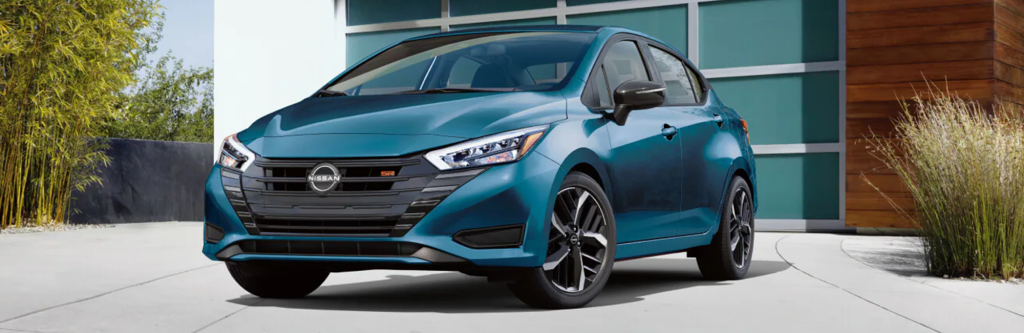
Why Choose a Nissan Certified Pre-Owned Vehicle?
Nissan Certified Pre-Owned vehicles are broken up into three tiers, each with unique requirements to ensure you’re getting the best version of your ride. Some standard benefits, regardless of tier, include:
- 24/7 Roadside Assistance (for the duration of the warranty)
- Towing Assistance
- Rental Car Reimbursement
- Trip Interruption Coverage (when traveling 100+ miles from home)
- Free CARFAX Vehicle History Report™
- Optional Extended Protection Plans Available
- Special Financing Options Available
- Transferable Limited Warranty
- Replacement with Genuine or Approved Parts
- $100 Deductible per Warranty Repair Visit
- 90-Day SiriusXM® Trial (if equipped)
- Guaranteed Trade-In Value
Nissan Certified
Late-model Nissan vehicles with the highest level of certification, inspection rigor, and longest warranty coverage.
These include:
- Vehicle age: Up to 6 years old
- Mileage: Under 80,000 miles
- Inspection: 167-point inspection
- Must be a Nissan model only
- 7-year / 100,000-mile limited powertrain warranty**
- 1 year / 15,000 miles prepaid maintenance
EV Certified
Certified electric Nissan models, like the Nissan LEAF or Nissan ARIYA, with EV-specific inspection and coverage.
These include:
- Vehicle type: Fully electric Nissan vehicles only
- Vehicle age: Up to 6 years old
- Mileage: Under 80,000 miles
- Inspection: 139-point inspection
- 7-year / 100,000-mile limited warranty**
- 1 year / 15,000 miles prepaid maintenance
Certified Select
Older or higher-mileage Nissan and select non-Nissan models with a more accessible certification tier.
These include:
- Vehicle age: Up to 10 years old
- Mileage: Under 100,000 miles
- Eligible vehicles include Nissan + select non-Nissan models
- Inspection: 84-point inspection
- 1 year / 12,000 miles limited powertrain warranty**
- 1 maintenance visit for Nissan vehicles or reimbursement for non-Nissan

Why Choose a Chrysler, Dodge, Jeep, or Ram Certified Pre-Owned Vehicle?
Late-model Chrysler, Dodge, Jeep, and Ram vehicles that meet strict manufacturer standards, pass a detailed inspection, and include factory-backed warranty coverage and ownership benefits.
Certification Requirements
- 125-point inspection completed by certified technicians
- Thorough reconditioning using genuine OEM parts
- Must meet strict quality and condition standards
Warranty Coverage
- 7-Year / 100,000-Mile Powertrain Limited Warranty
- 3-Month / 3,000-Mile Maximum Care Limited Warranty
- Warranty backed by the manufacturer (not third-party)
24/7 Roadside Assistance (“Sign-and-Go”)
- Towing service
- Flat-tire assistance
- Battery jump-start
- Lockout service
- Fuel delivery
- Car Rental Allowance (when covered repairs require downtime)
Inspection & Quality Assurance Highlights
- CARFAX Vehicle History Report™ included
- Engine, transmission, and drivetrain inspected
- Interior and exterior condition verified
- Safety systems and performance tested
- Road test evaluation completed
- Any needed repairs completed with OEM parts

Key Factors That Decide the Winner
Total Cost of Ownership
Focus on more than sticker price. Consider financing, insurance, maintenance, depreciation, and repairs. Our team will be happy to help you weigh these factors so that you can make an informed decision you feel comfortable with.
Warranty Coverage and Risk
Compare:
- Factory warranty
- Remaining coverage
- Certified Pre-owned limited warranty
- Optional extended warranty
A cheaper car can cost more if major repairs aren’t covered.
Financing and Incentives
New cars often offer lower APR financing and strong incentives. Some Certified Pre-Owned models qualify for preferential rates, while used cars may have higher interest rates. Always evaluate the full loan term, not just the monthly payment. Use our online payment calculator for an estimate.
Use-Case Matching
- Commuters: Prioritize fuel economy, reliability, and warranty coverage
- Families: Lean toward newer vehicles with advanced safety features
- Short-term owners: Avoid steep depreciation—used or Certified Pre-Owned works best
Smart Shopping Checklist
Before buying:
- Verify vehicle history report, title status, and recalls
- Confirm the full out-the-door price
- Review add-ons through our protection plans, such as GAP insurance
- Take a thorough test drive at Crossroads Automotive Group
A Simple Decision Rule
- Choose a new vehicle for its features and long ownership length
- Choose a used vehicle for the lowest cost
- Choose a Certified Pre-Owned vehicle or the balance of risk and warranty
Deciding Between Buying New vs. Used at Crossroads Automotive Group
Still deciding between new, used, or Certified Pre-Owned? Visit Crossroads Automotive Group to compare your options side by side, explore current inventory, and take a test drive. Our team is here to help you find the right vehicle at the right value, on your terms.
FAQs
Is it better to buy a certified pre-owned vehicle or a new one?
Certified Pre-Owned vehicles offer lower cost with warranty protection. New vehicles give full coverage and the latest features.
What’s the smartest way to pay?
Prioritize the lowest total cost and map out a reasonable down payment, short loan term, and the best APR financing.
Which is better, pre-owned or certified?
Certified is better for peace of mind. Pre-owned is better for budget flexibility. It all depends on what exact features you are looking for. If you need extra help deciding which option is best for you, our team will be happy to help!
*Excludes Super Duty, Diesel vehicles, BEVs, A/X/Z/D and Employee Plan purchases and Lincoln vehicles.
**Certified Select Pre-Owned Limited warranty runs from the date of sale. Certified Select Pre-Owned Limited Warranty includes Roadside Assistance Package for the duration of the limited warranty. For complete information concerning warranty coverage, conditions and exclusions, see your Nissan dealer and read the Certified Select vehicle limited warranty booklet.
New Car Incentives: How To Save

Decoding Dealer Incentives
Shopping for a new vehicle often feels simple until the pricing breaks down into rebates, APR offers, lease ads, and dealer discounts. For many buyers, understanding new car incentives is what turns a confusing ad into a smart purchase decision.
The right offer can lower your out-the-door price, reduce your monthly payment, or cut thousands in interest over the loan term. This guide explains how dealer incentives work, who qualifies, where to find current vehicle specials, and how to compare deals without missing the fine print. Learn more at Crossroads Automotive Group, located throughout North Carolina and South Carolina, and browse our current specials online today!
What New Car Incentives Are and Why They Matter
A new-car incentive is an offer that reduces the cost of buying or leasing a vehicle. It may come directly from the automaker, a captive finance company, or from our dealerships.
These offers usually appear as cash rebates, customer cash, bonus cash, APR financing, or lease specials. Some reduce the selling price directly, while others lower borrowing costs or create a more attractive advertised payment.
The difference matters because each incentive changes the deal in a different way. A factory rebate cuts the price, promotional APR reduces interest, and dealer incentives may add a local discount based on inventory clearance goals.
Incentives become especially important when MSRP rises, rates change, or supply tightens. A strong offer can make a Ford, Nissan, Chrysler, Dodge, Jeep, and Ram much more competitive from one month to the next.
Common Types of Vehicle Specials
Shoppers will often see customer cash, bonus cash, low APR financing, lease deals, loyalty offers, conquest offers, military rebates, and college graduate programs. Each one affects total cost, monthly payment, and eligibility requirements.
How Manufacturer Incentives Differ From Dealer Incentives
A manufacturer incentive usually comes from the automaker or its captive finance arm. These programs often include a factory rebate, special APR cash, special lease cash, or a national finance promotion for well-qualified buyers. Dealer incentives differ because they are set locally by each store. A dealer discount may reflect inventory levels, sales targets, aging stock, or a desire to beat nearby competitors on the same model. Regional offer structures also matter. A ZIP code offer can change what you see online, which is why one store may advertise a stronger deal than another on an identical vehicle trim.
Factory Offers vs. Local Dealer Specials
Factory incentives come directly from the manufacturer and are often available nationwide, while regional programs may vary by market. Our dealerships also offer local specials based on inventory and seasonal promotions. In many cases, these dealer discounts can be combined with manufacturer incentives, and our team will help you identify the best combination to maximize your savings.
The Main Types of New Car Incentives You Will See
Most new vehicle specials fall into a few familiar categories. The key is knowing whether the offer lowers the purchase price, reduces finance charges, or simply changes the payment structure. Some incentives can be combined, while others are mutually exclusive. A buyer may have to choose between a cash rebate and a promotional APR, especially when 0% APR financing is involved.
Cash Rebates and Customer Cash
A cash rebate is a direct discount applied to the transaction. Customer cash, factory rebate, and bonus cash all reduce the amount financed or the final purchase price. Variations include loyalty rebate offers for current owners and conquest cash for buyers switching brands. These can be valuable, but they often require proof of current registration or ownership.
Low and 0% APR Financing Offers
APR financing promotions reduce the loan’s interest rate. A low rate or 0% APR financing can save a buyer more than a rebate when the loan amount is large and the term is long. These deals usually require strong credit scores and lender approval. In many cases, only well-qualified buyers receive the advertised rate.
Lease Specials
A lease special promotes a low monthly payment for a set term. The ad may look attractive, but it often includes a required down payment, mileage limits, and fees due at signing. Buyers should compare the total lease cost, not only the payment. Lease cash and special lease cash can improve the deal, but they do not erase end-of-lease obligations.
Targeted Incentives
Targeted programs include a military rebate, a first responder discount, a college graduate rebate, and mobility assistance. These offers require proof of eligibility and may be limited to certain models or financing methods.
How to Read a Vehicle Special Without Missing the Fine Print
The headline number in a vehicle ad rarely tells the full story. Fine print explains the expiration date, model year, vehicle trim eligibility, financing assumptions, and whether the offer applies only at participating stores. It is also important to check whether promotions are stackable incentives or an either-or choice. That single detail can change the deal’s real value by a wide margin.
Important Fine-Print Terms to Check
Review residency restrictions, ZIP code targeting, credit tier rules, down payment assumptions, and dealer participation language. Also, confirm whether the ad applies to the exact trim, drivetrain, and model year you want.
Rebate or Low APR Financing: Which Incentive Saves More
At our dealerships, we help customers look beyond the monthly payment and focus on what really matters: the total amount paid over time.
Some offers include a larger cash rebate, which immediately lowers the amount you finance. Others feature a low promotional APR, which reduces the interest you pay throughout the life of the loan. Both can be valuable, but the better choice depends on several factors, including your loan term, credit profile, amount financed, and current bank or credit union market rates.
For example, if you secure a short-term loan or a competitive rate through outside financing, the rebate may deliver greater overall savings. In other cases, the low APR option may reduce the total cost of the loan.
That’s where our team comes in. We’ll walk you through both options and help you compare them clearly so you can see which path saves you more. You can also use our online auto loan calculator to enter the vehicle price, rebate amount, APR, and loan term to view the total cost side-by-side.
Our goal is simple: help you choose the incentive that truly saves you the most.
When a Rebate Makes More Sense
A rebate often wins when the cash discount is large and outside financing is already competitive. It can also be better for buyers who make a larger down payment or use a strong trade-in value to reduce the balance.
When Promotional APR Makes More Sense
A promotional APR can be more favorable when you finance a large amount over a long period. On expensive SUVs, trucks, and EVs, 0% APR financing or a very low rate may beat a modest rebate by a wide margin.
How Lease Incentives Work
Lease incentives are built around several moving parts, not just the advertised payment. The most important factors are the money factor, residual value, cap cost reduction, lease term, and any lease cash applied to the deal.
A high residual value usually lowers the monthly payment because the vehicle is expected to retain more value. A lower money factor also helps, since it reduces the finance charge in the lease calculation.
Many low-payment ads require a significant cash down payment at signing. That cap cost reduction may make the monthly number look better, but it increases your upfront cost and can hide the real value of the lease special.
Lease Terms That Affect Real Cost
Check the mileage allowance, acquisition fee, wear-and-tear standards, and disposition fee. Also review what happens at lease end, including excess mileage charges and any purchase option terms.
Who Qualifies for New Car Incentives
Not every offer is open to every shopper. Many incentives depend on credit score, lender approval, current brand ownership, military status, student status, employment, or geographic location.
That is why two buyers can ask about the same make and model and receive different pricing. One may qualify for loyalty or conquest programs, while another may only be eligible for the basic manufacturer incentive.
Preparation helps avoid surprises at the dealership. Gather documents before you visit so the store can verify eligibility quickly and quote the right numbers. Our goal is to make sure you receive every incentive you qualify for, with clear, transparent numbers from the start.
Typical Eligibility Requirements
Common documents include current loyalty rebate registration, proof of competing brand ownership for conquest cash, military ID for a military rebate, diploma or transcript for a college graduate rebate, and financing approval for APR offers. Some programs also require proof of residence, employment, or insurance.
The Best Time to Shop for Dealer Specials
At our dealerships, timing can make a great offer even better. Certain times of the year naturally create stronger opportunities for savings, and our team works hard to bring customers the most competitive specials when those moments arrive.
For example, month-end and quarter-end are often when dealerships introduce some of their strongest incentives as sales teams work to reach important targets. You’ll also see exciting promotions during major holiday sales events, when manufacturers and dealerships collaborate to offer limited-time deals.
Another excellent time to shop is during a model year changeover. When the next model year begins arriving on our lot, we often increase discounts on remaining inventory to make room for new arrivals and help customers secure exceptional value.
Because incentives and manufacturer programs change frequently, some offers may appear, update, or expire from week to week. If you’re getting close to purchasing, our team can help you track the latest specials and notify you when the timing is right, so you don’t miss a great opportunity.
Why Leftover Inventory Can Offer Better Value
Leftover inventory often carries larger rebates, APR specials, or dealer markdowns. If the changes between model years are minor, an older model year can deliver better value with similar features and a lower selling price.
How to Compare New Vehicle Specials Across Brands
A smart comparison goes beyond the ad headline. Look at the out-the-door price, APR, monthly payment, loan term, down payment, and likely total cost of ownership.
A larger rebate on one vehicle may still be lost to a lower-interest deal on another. That is especially true when comparing sedans, trucks, hybrids, electric vehicle incentives, and SUV deals across brands.
Resale and financing flexibility also matter. A lower payment on a long-term loan can cost more overall, while a slightly higher payment on a shorter-term loan may build equity faster.
Questions to Ask Before Choosing a Deal
Smart shoppers often ask important questions before committing to a vehicle offer—like whether an incentive applies to the exact trim they want, if it can be combined with trade-in discounts, or when the promotion expires. It’s also wise to confirm whether a quote includes taxes, fees, dealer add-ons, and any required conditions.
At our dealerships, you don’t have to figure this out on your own. Our team walks you through every detail of your offer, answers your questions clearly, and provides a full breakdown of pricing and incentives. We make sure you understand exactly how your deal works, so you can move forward confidently, knowing there are no surprises along the way.
Mistakes Shoppers Make With Car Incentives
One of the most common mistakes is focusing only on the monthly payment. A low payment can come from a longer loan term, a large down payment, or a lease with strict mileage limits rather than true savings. Another mistake is assuming every listed discount applies automatically. Many ads include loyalty rebates, conquest cash, or targeted programs that only a narrow group can claim. Buyers also miss costs hidden outside the incentive itself. Fees, add-ons, financing markups, and weak trade-in value can erase the benefit of a strong rebate.
No Guesswork. No Surprises. Just Straightforward Offers.
Many promotional ads in the auto industry can include unusually high due-at-signing amounts, limited trim eligibility, or discounts that depend on hard-to-qualify-for bonuses. That’s why shoppers are often encouraged to read the fine print carefully and ask for a full written breakdown. At our dealerships, you don’t have to stress about sorting through confusing offers. Our team walks you through every detail clearly, from incentives and eligibility to upfront costs, so you know exactly what’s included and what you truly qualify for. No hidden conditions, no complicated fine print, just transparent pricing and straightforward guidance you can trust.
A Simple Process for Choosing the Right Incentive
Start by choosing the exact model, trim, and model year you want. Once you’ve found your ideal vehicle, our team will help confirm which rebates, financing offers, and exclusive programs you may qualify for before you even step into the dealership.
Next, compare your savings options. Use our online auto loan calculator to see how a rebate stacks up against low-APR financing. If leasing interests you, we’ll walk you through key details like the money factor, residual value, mileage allowance, and upfront costs so you can choose with confidence.
When you’re ready, get pre-approved online in just a few minutes, making your visit faster, easier, and focused on driving home in the vehicle you love.
Checklist Before Visiting Our Dealerships
Bring financing quotes, a trade-in estimate, proof for targeted incentives, your driver’s license, insurance details, and any registration documents needed for loyalty or conquest offers. Finding the right incentive doesn’t have to be complicated when you have the right team on your side. At our dealerships, we’re here to guide you through every option, explain the details clearly, and help you take advantage of every rebate, finance offer, or special program you qualify for.
Start your journey today at Crossroads Automotive Group, located throughout North Carolina and South Carolina, by exploring our inventory, using our online tools, or getting pre-approved in minutes. Then visit our dealerships and let our team help you turn the perfect incentive into the perfect deal on your next vehicle!
FAQs
Can anyone qualify for 0% APR financing on a new car?
Usually not. These offers are typically reserved for well-qualified buyers with strong credit, and approval can vary by lender, model, term, and region.
What is the catch with 0% APR financing offers?
The tradeoff is often giving up a cash rebate or other discount. The offer may also be limited to select trims, shorter terms, or top credit tiers.
Should I take a rebate or a low APR car deal?
It depends on the rebate amount, the amount financed, your credit profile, and the loan term. Compare the total paid under each option before deciding.
How big should my down payment be on a new car?
A larger down payment lowers the amount financed and can reduce monthly costs. The right amount depends on your budget, trade-in equity, and whether keeping cash on hand matters more.
What is the true cost of a new car incentive deal?
It includes the selling price, taxes, fees, interest, required down payment, and any conditions tied to the offer. For leases, include mileage limits, fees, and end-of-term charges.
The best incentive is not always the biggest number in the ad. The strongest deal is the one that fits your credit, driving needs, budget, and long-term ownership plan.
Contact our team at Crossroads Automotive Group to determine which of our new car incentives fit your budget today!
Lease Or Buy Used? Make The Right Choice

Smart Used Car Financing and Leasing Decisions
Deciding whether to lease a new car or buy used is one of the most important financial decisions in car buying today, especially in a competitive car market. At Crossroads Automotive Group, many car buyers come in weighing their personal finance goals against daily driving needs and wondering whether to lease a new car or buy used for their next vehicle. The choice affects your monthly car payment, how long you keep the vehicle, and what kind of flexibility you have when it is time for your next car.
When you think about whether to lease a new car or buy used, you are really choosing how you want to pay for a vehicle over the long term and how much control you want over car ownership. Maybe you want lower monthly payments so you can free up cash for other financial decisions, or you are willing to take on higher monthly payments for a shorter period so you own the vehicle outright for a long time. Either way, Crossroads Automotive Group can help you compare the pros and cons of leasing new or buying used so you feel confident you are making the right choice.
How Leasing New And Buying A Used Car Differ
For many drivers in North Carolina and South Carolina, the first step is understanding leasing a new car vs. buying a used car in simple terms. When you lease or buy used, you either pay to use the new car for a set lease term or pay toward full car ownership. With a lease agreement, you are essentially paying for the new car’s value that you use during the lease period, plus a money factor that functions similarly to an interest rate. Your monthly lease payment is based on the vehicle’s depreciation during the lease term, its residual value at the end of the lease term, and your credit score.
Leasing new tends to provide low monthly payments or lower monthly payments than a comparable used car loan, which is why many car buyers ask if they should lease new or buy used when they want a newer vehicle or even an electric vehicle with advanced safety features. Your lease contract and terms will spell out details such as mileage restrictions, what constitutes excessive wear, and any fees at the end of your lease term. At the end of the term, you usually decide whether to return the leased car, buy the leased vehicle for its residual value, or move into your next vehicle.
Buying works differently. When you choose to take out a used car loan, your loan payments are based on the sale price of the used vehicle, your down payment, the interest rate, and any finance charges. Over time, you build equity, and once the loan balance is paid off, the car’s value, resale value, and cash value all belong to you. Instead of thinking only in terms of leasing vs. short commitments, you are planning for longer-term use and full car ownership.
Financing Options And Where You Get Your Loan
Whether you lease new or buy used at Crossroads Automotive Group, how you finance the deal matters. For a purchase, you can work directly with our finance center, apply through a credit union, or check rates with your bank. Your credit score influences your interest rate, loan term options, and the total finance charges you pay over time. Some drivers roll fees and taxes into the used car loan, while others prefer to pay them upfront with a credit card or cash to keep loan payments lower.
Leases have their own structure. Leasing terms usually require the first month’s payment due at signing, along with fees. Your lease agreement details how the money factor and residual value are calculated and what happens at the end of the lease term. If you want to move into a different vehicle at the end of the term, leasing new can make it easier to change cars without worrying about trading in an old car, selling to a third-party buyer, or negotiating a car’s worth on your own.
Why A Used Vehicle Can Work For Your Budget
One of the biggest reasons drivers throughout North Carolina and South Carolina ask whether to lease new or buy used is the value a used vehicle can offer. A new vehicle takes its largest hit in value during the first few years on the road, which is why a vehicle’s depreciation is such an important part of the conversation. When you focus on a quality used vehicle, that early drop has already happened, which often means a good deal on the purchase price based on a lower starting car’s value.
If you keep the car for a long time, buying can maximize trade-in value and resale value later, especially when the vehicle stays in good condition and has a reasonable number of miles for its age. For shoppers thinking about fuel economy, an electric vehicle or efficient gas model can reduce long-term fuel costs, especially over a longer-term ownership plan. When you weigh whether to lease new or buy used, remember that maintenance costs and repair costs also play a role. Depending on the vehicle, you may still have a manufacturer warranty or an extended protection plan available, which can help manage future expenses and keep your personal finance goals on track.
Buying A Used Car For Long-Term Value
If you want to keep your vehicle for a long time and drive without thinking about mileage restrictions, buying a used car can be a strong path forward. When you buy used and choose the purchase route, your higher monthly payments early on are building ownership and equity. Once the loan balance is gone, you have a paid-off vehicle you can drive for a long time with no loan payments at all. That freedom appeals to many drivers focused on long-term financial decisions.
Buying also gives you more flexibility in how you use the vehicle. You can customize the interior, install accessories, and use the car as you like without worrying about excessive wear penalties in a lease agreement. Over time, you control how you manage the vehicle, whether you keep it as an extra old car for backup, use it as a trade-in value toward your next car, or sell it for cash value. For many, purchasing becomes the right choice over any leasing or buying used question.
Cost Of Ownership vs. Cost Of Leasing
To decide whether to lease new or buy used, it helps to compare the total cost of ownership against the total lease cost. Leasing often focuses on keeping your monthly car payment lower. You might see low monthly payments promoted heavily, and for good reason: they can free up money month to month. However, when the lease period ends, you either return the vehicle or buy it for its residual value, which may mean starting a new loan or another lease.
With a purchase, your monthly car payment may be higher at first, but once the loan term ends, you own the vehicle outright. You can drive it for years with no lender involved while still benefiting from its car worth if you decide to sell. Maintenance costs and repair costs become your responsibility, particularly after the manufacturer’s warranty runs out, but you also get full control over car ownership decisions. We can help you model how different loan term options and used-car loan structures affect your monthly payment and total paid over time.
How Lifestyle And Driving Habits Affect Your Decision
Your day-to-day routine in North Carolina or South Carolina should also influence whether you lease new or buy used. If you drive short distances, work from home, or mainly commute locally, lease terms with mileage restrictions might still fit well. Drivers who always enjoy having a newer vehicle with up-to-date safety features and technology often lean toward leasing new, especially when they see a good deal that lines up with their personal finance goals.
On the other hand, if you take frequent road trips, have a long commute, or simply like to keep a vehicle for a longer-term stretch, buying can eliminate worries about mileage limits or lease-end charges. For some, especially those who plan to keep their next vehicle for a long time, the pros and cons of leasing become less attractive compared with owning and driving the same car for many years. Crossroads Automotive Group can help you compare leasing new vs. buying a used car with real numbers so you see how each path affects your overall budget.
Getting Expert Help At Our Dealership
You do not have to figure out whether to lease new or buy used on your own. The team at Crossroads Automotive Group works with car buyers every day who are comparing leasing new vs. purchasing used, weighing loan payments, and trying to choose between short commitments and long-term ownership. Our finance specialists can explain leasing terms in detail, from how your money factors are calculated to what happens at the end of your lease term, and can also walk you through used car loan options from our lender network and local partners like your preferred credit union.
When you sit down with the experts at Crossroads Automotive Group, you can review your credit score, discuss whether using a credit card for certain fees makes sense, and look at different scenarios around a vehicle’s depreciation, trade-in value, and a car’s value over time. We will help you see how loan balance, lease period, and end of the term choices affect your overall plan, so whether you decide to lease new or buy used, you feel informed and in control. If you are ready to explore car lease deals, review leasing offers, or simply talk through options for your next car in good condition with strong fuel economy, Crossroads Automotive Group is here to help you find a great deal that fits your needs.
Are New Cars Safer? Why You Should Buy New
Modern Vehicle Safety For Shoppers
When drivers visit any of our dealerships within Crossroads Automotive Group, they often arrive with one big question in mind: are new cars safer than the vehicles they already own? That concern usually starts with a comparison of old-car vs. new-car safety and quickly expands into a broader look at car safety as a whole. Anyone who has spent years driving an older vehicle has felt that moment of doubt in traffic, wondering whether newer cars would handle a sudden stop or near miss more confidently. It’s only normal to ask “Are new cars safer?” when family, commute time, and changing driving conditions are all on the line.
Over the last few decades, car manufacturers have transformed automotive safety through smarter vehicle design, updated safety standards, and continuous safety improvements. Agencies such as the National Highway Traffic Safety Administration and the Insurance Institute for Highway Safety collect large amounts of crash-test data, run detailed crash tests, and track driver crash rates and fatality rate trends to see whether new cars are getting safer. Their findings show that safer cars and safer vehicles can reduce fatal crashes and serious injuries among car occupants and other road users. That evidence matters when you are standing in the showrooms at Crossroads Automotive Group across North Carolina and South Carolina, and quietly wondering whether to upgrade to a new car.
How Modern Vehicle Design Protects You
One of the biggest changes you will notice when comparing older cars with modern cars is how crash forces are managed. Today’s new vehicles are built around carefully engineered crumple zones that absorb impact and redirect energy away from the passenger compartment. These areas are designed to deform in a controlled way, helping to keep the cabin more stable and lowering crash risk in many types of car accidents. For motorists who have always relied on older models, it is reassuring to see how much work has gone into answering the question of whether new cars are safer in real-world collisions.
Inside the cabin, newer vehicles use high-strength steel, smart vehicle design, and well-placed reinforcements in the roof, floor, and doors. The steering column and steering wheel are designed to move or collapse in specific ways, while side curtain airbags deploy to help shield heads in side impacts and rollovers. Combined with three-point seat belts, anti-lock brakes, and electronic stability control, these safety systems are all focused on keeping car occupants away from the most dangerous forces. Even a midsize or small SUV can offer impressive crash safety when engineers prioritize both highway safety and overall road safety. For many shoppers at our dealerships within Crossroads Automotive Group, this structure-focused view goes a long way toward answering whether new cars are safer than what they parked at home.
Crash Testing, Data, and Safety Standards
The structural changes you see in the showroom are shaped by what researchers see during crash testing. Organizations like the National Highway Traffic Safety Administration and the Insurance Institute for Highway Safety run a wide variety of crash tests, from frontal and side impacts to rollovers and specialized test procedures at high speed. These evaluations help determine how each passenger vehicle protects car occupants and how different vehicle classes stack up on traffic and highway safety charts. When engineers review this data and redesign models for a new model year, they are responding directly to the ongoing question of whether new cars are safer according to the numbers.
In addition, insurance companies and regulators use this information to reward safer vehicles and encourage ongoing safety improvements. They look closely at driver death rates, fatal crashes, and how older vehicles compare with newer vehicles when impacts occur at real-world speed limit ranges. Results can vary depending on vehicle choice and design, and whether a model is a large SUV, pickup truck, small car, or other large vehicle. Heavier vehicles sometimes perform differently in certain crashes because of curb weight, which is why comparing cars for safety means looking beyond age and focusing on design. As you explore inventory across North Carolina and South Carolina, we can help you explore whether new cars are safer for the specific kind of driving you do.
Modern Safety Systems and Crash Avoidance Technologies
Beyond strong structures, new cars shine in the advanced safety systems they offer. Features such as Forward Collision Warning and Automatic Emergency Braking can help you react more quickly when traffic slows suddenly. Many modern cars blend these tools into broader crash avoidance technologies that support crash prevention rather than just crash response. For drivers who remember their first car having little more than seat belts and basic brakes, the leap in capability makes it very reasonable to ask whether new cars are safer in the moments that matter most.
Electronic Stability Control and anti-lock brakes help maintain control in sudden maneuvers, while Lane Departure Warning, Lane Keep Assist, and Blind Spot Warning assist with lane changes and longer trips. Adaptive Cruise Control automatically adjusts speed to follow traffic more smoothly within the speed limit, easing fatigue on the highway and supporting highway safety for everyone. These systems are not limited to luxury cars anymore; many mainstream models include them as standard or widely available equipment. When you experience these technologies on a test drive with Crossroads Automotive Group, you may find your answer to whether new cars are safer shifting as the vehicle quietly helps manage tricky driving conditions.
Everyday Driving Experience and Visibility
Modern vehicles also support safety by helping you stay focused. Clean dashboard layouts, intuitive controls, and clear digital displays keep your attention on the road instead of buried in menus. Voice commands allow you to adjust settings without taking your hands off the steering wheel, while thoughtful cabin design makes it easier to monitor mirrors and surroundings. Compared with older cars and older vehicles that were never designed around distraction concerns, many shoppers feel more confident answering whether new cars are safer once they have spent time in a modern cabin.
Low-speed situations matter too. A crowded parking lot or tight driveway can hide pedestrians, pets, and obstacles in blind spots. Cameras, parking sensors, and other parking aids improve pedestrian safety and reduce the risk of minor bumps or fender benders. These tools are especially helpful in larger vehicles and heavier vehicles, where visibility can be more challenging. As these technologies quietly prevent incidents day after day, they offer practical evidence that proves to drivers that new cars are safer, not just theoretically, but something they can experience routinely.
Balancing Size, Segment, and Safety Priorities
Choosing the right vehicle means balancing safety with everyday needs like space, style, and fuel efficiency. Some drivers feel most comfortable in a large SUV or pickup truck, while others prefer the agility and fuel economy of a small SUV. The good news is that strong automotive safety is available across many segments, as long as you pay attention to crash test ratings, crash tests, and available safety systems, rather than focusing only on looks. Working with the team at Crossroads Automotive Group gives you a chance to review the data and ask whether new cars are safer for your family, even if you move to a different size or body style.
See Today’s Safety Advances
The most convincing way is to see and feel the differences in person. At Crossroads Automotive Group, you can explore new vehicles alongside carefully selected older pre-owned vehicles. Staff can walk you through safety standards, explain how specific safety systems work, and show you how features like Forward Collision Warning, Adaptive Cruise Control, Lane Departure Warning, Lane Keep Assist, and Blind Spot Warning work together. Once you watch these tools in action, it becomes easier to decide for yourself whether new cars are safer for your daily routes.
You can also review safety labels, ask about recent crash tests, and learn how car manufacturers respond to each new IIHS test and regulatory change. Whether you are comparing small SUVs, a midsize car, a family-focused large SUV, or a capable pickup truck, the team can outline how each model’s safety systems and safety standards support road and traffic safety in and around North Carolina or South Carolina.
Shop Crossroads Automotive Group For Safer Vehicles
When you are ready to move from research to real-world experience, visit the dealerships of Crossroads Automotive Group and take a closer look at today’s safer vehicles. Sit behind the steering wheel, explore the dashboard, and imagine how each passenger vehicle will feel in your driveway and on your favorite routes. With guidance on crash testing results, crash avoidance technologies, and the latest in automotive safety, you can build confidence that your next vehicle choice supports both performance and protection. By the time you finish comparing options, you should have a clear, personal answer to the question that started your search for whether new cars are safer for you, your passengers, and your life in North Carolina or South Carolina.
Is It Cheaper To Insure A New Car Or A Used Car?

Costs, Coverage, and Savings
Choosing between new vs. used car insurance is an important decision for drivers looking to balance costs and coverage. Whether you’re insuring a new Ford, Nissan, Chrysler, Dodge, Jeep, Ram or an older vehicle, understanding the factors that influence car insurance costs can help you make an informed decision. Comparing coverage requirements, premiums, and savings opportunities for newer cars and used vehicles ensures that you get the right protection and vehicle for your needs. In this guide, Crossroads Automotive Group will help you explore the key differences in car insurance for new vs. used cars, from coverage levels to cost-saving strategies. By evaluating factors like vehicle age, driving history, and the car’s value, you can select the best option that offers peace of mind and fits your budget. Visit us today at any of our dealerships across North and South Carolina!
How Much Does It Cost To Insure A New Car?
The cost of new vs. used car insurance varies significantly due to factors like vehicle age, repair costs, and coverage requirements. Newer vehicles like the Ford F-150 generally have a higher value, which means they require higher coverage levels, leading to higher car insurance costs. These vehicles often come equipped with advanced safety features such as Automatic Emergency Braking, which can lead to higher repair costs in the event of a collision, even though they might reduce the likelihood of accidents.
On the other hand, older vehicles tend to have lower insurance premiums because their car’s value has depreciated over time. However, they may be more prone to theft, especially if they lack modern car safety technology. This increased theft risk can negatively affect car insurance premiums and change how you compare new vs. used car insurance overall. Additionally, financed newer vehicles often have stricter coverage requirements, such as comprehensive and collision coverage, to protect the lender’s investment. In contrast, older cars without loans may allow drivers to opt for liability insurance only, which offers a lower-cost option.
Driving habits and the likelihood of accidents also play an important role in determining the cost of insurance rates for both newer and older cars. Drivers with a clean driving record have the advantage of being safer and may qualify for lower premiums. Conversely, poor driving habits or a history of accidents can increase auto insurance rates regardless of the car’s age. Keeping these factors in mind is essential when making decisions on the pros and cons of new vs. used car insurance.
How Credit Score and Driving History Affect Rates
Your credit score and driving history are significant factors that influence auto insurance rates, whether you’re insuring a new car or an older vehicle. When comparing new vs. used car insurance, it is important to remember that a good credit history demonstrates financial responsibility, which can help you secure lower insurance premiums. Auto insurance companies often view individuals with strong credit scores as more responsible and thus less likely to file claims, making them eligible for discounts.
Similarly, maintaining a clean driving record can lead to lower rates. Good drivers with no history of accidents or traffic violations are rewarded with lower premiums as they represent a reduced risk to insurers. On the other hand, even if you own an older vehicle, a poor driving history may negate the potential savings associated with its lower value. Thus, both credit score and driving history are key considerations when comparing insurance options for newer vehicles and older cars, particularly when deciding which new vs. used car insurance plan best suits your budget and needs.
Coverage Options for Newer Cars vs. Older Vehicles: Are New Cars Cheaper To Insure?
Newer Cars: Coverage Considerations
When insuring newer cars, comprehensive and collision coverage are often required, especially if the vehicle is financed through an auto loan. These coverage types protect against a range of risks, including damage from accidents, theft, or natural disasters. For drivers evaluating new vs. used car insurance, comprehensive and collision coverage are usually more relevant to newer vehicles because of their higher value.
Another important consideration for newer vehicles is gap insurance, which can be invaluable during the first year of ownership. Gap insurance provides coverage over the difference between the car’s value and the remaining balance on the auto loan in the event of a total loss, ensuring that you are not left with out-of-pocket expenses. Newer cars often feature advanced safety technology and driver-assistance systems, which can potentially lower insurance costs. However, repair costs for these technologies can increase car insurance premiums if they are damaged.
Additionally, vehicles with strong safety ratings, like the Nissan Armada, Jeep Grand Cherokee L, and Ford Maverick, may qualify for further insurance discounts, as they are considered less risky to insure. If you’re purchasing a newer vehicle, consider how its car manufacturer and safety features may influence your coverage requirements and costs, especially when deciding which new vs. used car insurance option provides the best overall value.
Older Vehicles: Coverage Considerations
Insuring an older vehicle often involves different considerations than insuring a newer car. Liability coverage is typically the most important type of insurance for older cars, as it makes sure you meet legal requirements and provides financial protection in case of accidents where you’re at fault. For vehicles with lower value, dropping collision coverage might be a practical decision to reduce insurance costs, especially if the repair costs would exceed the car’s value.
Even for older vehicles, car safety ratings and overall condition can still influence car insurance premiums. Some older cars may have features that qualify for insurance savings, such as anti-theft devices. However, older vehicles without modern safety technology might face higher premiums due to increased risks. When you are comparing new vs. used car insurance, drivers of older cars should evaluate whether additional coverage, like comprehensive insurance, is worth the extra expense or if liability-only coverage offers the best balance of cost and protection.
Full Coverage vs. Liability Insurance: Making the Best Choice
Deciding between full coverage and liability insurance depends on the value of a vehicle, its repair costs, and your financial situation. Full coverage insurance provides liability, comprehensive, and collision coverage, offering maximum protection against a wide range of risks. This type of coverage is often the best option for newer cars or high-value vehicles, as it provides peace of mind in the event of accidents, theft, or natural disasters. When you are comparing new vs. used car insurance, full coverage frequently becomes part of the conversation for higher-value or newer vehicles.
However, the higher premiums associated with full coverage might not be financially practical for everyone. Liability-only insurance, on the other hand, is a more affordable option, particularly for older cars with less value. It covers the costs of damages or injuries caused by you to others, but does not cover your own vehicle. For an older vehicle with minimal value, opting for liability insurance can result in significant savings on car insurance premiums.
However, it’s essential to consider the potential out-of-pocket costs if your vehicle is damaged or totaled. When determining the type of coverage to choose, consider factors like the car’s age, car price, and replacement costs. For example, if you drive an older vehicle that would cost more to repair than replace, liability-only insurance might be sufficient. On the other hand, if you own a newer car or one with higher repair costs, full coverage might be the better choice to ensure adequate protection. Understanding these trade-offs is crucial to choosing the right new vs. used car insurance solution for your lifestyle and budget.
How to Save on Car Insurance Premiums: Smart Savings Strategies
Saving on car insurance premiums requires careful planning and consideration of various strategies. One effective way to lower your monthly payments is by increasing your deductibles. While this means you’ll pay more out-of-pocket in the event of a claim, it can significantly reduce your monthly insurance costs if you’re a safe driver and unlikely to file frequent claims. This savings approach can apply to both new and used vehicles and should be weighed alongside your choice of new vs. used car insurance.
Bundling policies, such as combining your car insurance with home insurance, is another great way to unlock insurance discounts from many auto insurance companies. Telematics programs, which monitor your driving habits using a mobile app or device, can reward safe driving behavior with lower premiums. Good drivers who avoid speeding, hard braking, and excessive mileage may qualify for significant savings through these programs.
Additionally, it’s a good practice to compare car insurance quotes annually. Shopping around ensures you’re getting the best rates from the best car insurance companies and helps you take advantage of new offers or discounts. Maintaining a clean driving record and a good credit score is also essential for keeping car insurance costs low. Insurers view drivers with a clean record and strong credit history as lower-risk, which can result in lower premiums. If you’ve improved your credit score or driving habits recently, inform your insurer or shop for new quotes to potentially secure better rates on your new vs. used car insurance options.
Additional Savings Tips
Another way to save on car insurance is to pay your monthly premiums in full up front, as some insurers offer discounts for customers who pay annually instead of monthly. When shopping for vehicles, consider those with advanced safety technology and strong safety ratings. Cars equipped with features like Automatic Emergency Braking, Lane-Keeping Assist, and anti-theft devices not only provide peace of mind but also qualify for insurance savings from many providers. These considerations can influence your overall new vs. used car insurance comparison and long-term ownership costs.
Roadside assistance, often included in comprehensive insurance policies, is another benefit to consider. While it may add a small cost to your premium, it can save you significant expenses in emergencies like breakdowns or flat tires. Additionally, vehicles with a manufacturer’s warranty may lower your overall maintenance costs, making them more appealing from both a financial and insurance perspective. Always review your coverage selection carefully to ensure it aligns with your budget and protection needs, paying close attention to how different new vs. used car insurance choices affect your total expenses.
Find the Right Balance For You
Newer cars often come with higher premiums due to their advanced safety features, higher value, and stricter coverage requirements. However, they may offer lower long-term repair and maintenance costs, as well as insurance savings from features like Automatic Emergency Braking. Older vehicles, while offering lower insurance costs, may carry risks such as higher theft rates and increased repair expenses. Evaluating the car’s age and value, as well as your driving habits, is essential to finding the best car insurance policy for your needs and deciding which new vs. used car insurance structure makes the most sense.
Ultimately, the decision between new vs. used car insurance comes down to your financial situation, vehicle type, and coverage requirements. Whether you choose a new car or an older vehicle when shopping at Crossroads Automotive Group, comparing coverage options and car insurance quotes from the best car insurance companies will help you secure the most suitable policy. By making an informed decision about new vs. used car insurance, you can enjoy lower premiums, peace of mind, and the right level of protection for your vehicle. Visit us today at any of our dealerships across North and South Carolina!
Finding the Best Option for Your Budget
When it comes to deciding on your next vehicle, understanding new vs. used car prices can make or break your budget. As car prices trend up and down with shifts in the auto market, it becomes even more important to compare car prices carefully instead of rushing into a decision. Whether you’re considering a new vehicle with advanced technology or a reliable used vehicle, making an informed decision is crucial.
New car prices are often higher due to their cutting-edge safety features and advanced amenities, while used cars come with lower prices and reduced depreciation rates. By understanding vehicle prices, financing options, and insurance costs, car buyers can work with Crossroads Automotive Group to navigate the complexities of the car market and secure the best deal for their next car purchase. Comparing new vs. used car prices also helps you decide whether a newer model or an older one gives you more value over time. Visit us at one of our dealers across North Carolina or South Carolina!
Why New Car Prices Are Higher and Their Benefits
Breaking Down the Sticker Price
New car prices vs. used are typically higher because they include the latest advanced technology, modern design, and cutting-edge safety features. Car manufacturers like Ford, Nissan, Chrysler, Dodge, Jeep, and Ram invest heavily in research and development to equip new cars with features like Adaptive Cruise Control, Lane-Keeping Assistance, and infotainment systems, which can drive up the sticker price. For car buyers, these features often translate to enhanced driving comfort, better car safety, and a safer road experience that many car shoppers are willing to pay for when they compare new vs. used car prices.
Additionally, new vehicles come with full factory warranties, which can significantly reduce repair costs during the early years of ownership. This warranty coverage gives car shoppers peace of mind, knowing they won’t face unexpected car repair expenses soon after purchasing. Crossroads Automotive Group also frequently offers financing deals with lower interest rates, which can make the car payment and overall monthly payment on a new car more manageable for qualified buyers. Some promotions may feature special auto loan interest rates that keep financing costs in check, especially for shoppers with a strong credit score.
The Role of Depreciation and Resale Value
One of the most significant factors affecting new vs. used car prices is depreciation. A new car begins to lose value the moment it is driven off the lot, with the depreciation rate being highest during the first year. This means the transaction price for the same car will drop sharply if it becomes a used vehicle, making its resale value much lower in the short term. Over time, this depreciation directly impacts car values and the car pricing you see in guides and online listings.
However, after this initial steep decline, the depreciation rate tends to stabilize, and vehicle prices start to level out. For car buyers considering their next car, it’s important to weigh the benefits of owning a new vehicle against this rapid loss in value. While new cars offer predictable costs, advanced technology, and strong car safety features, the lower resale value and high initial investment might not align with every budget. Looking at new vs. used car prices side by side can be a powerful piece of car advice, showing you how much value you may lose or retain over time based on your buying choices.
Why Used Cars May Be a Smarter Financial Choice
Lower Prices and Total Cost of Ownership
For those focused on budget-friendly buying choices, a used vs. a new car price often presents a more affordable option. Used vehicles generally come with significantly lower sticker prices compared to a new vehicle, offering car buyers better upfront value. This lower entry cost can reduce the total cost of ownership, especially when factoring in smaller loan amounts and reduced monthly payments. In many cases, the loan terms on a used car will still result in a manageable car payment, even if the interest rate is slightly higher.
Furthermore, a used car’s depreciation has already occurred, meaning its resale value won’t drop as sharply as a new vehicle’s. This can be advantageous for buyers looking for a car that holds its value better over time and who are watching the used car market trend closely. When comparing new vs. used car prices during a road test or a visit to the showroom, many shoppers find that a well-maintained used car delivers the practicality they need without stretching their budget.

Factors to Check Before Buying
While used cars can be a great financial choice, car shoppers need to perform due diligence before making a purchase. Start by reviewing the car’s history report to check for past repairs, accidents, or other potential red flags. This step is crucial for understanding the reliability and overall condition of the used vehicle and can help you anticipate future car repair needs, factoring in everything for new vs. used car prices.
Using trusted value tools like Kelley Blue Book can help ensure you’re getting fair car pricing and avoid overpaying. Additionally, inspect the vehicle’s mileage, trade-in value, and physical condition to gauge its long-term reliability. Paying attention to these details can help you secure the best deal while minimizing future repair costs. When you weigh new vs. used car prices using resources like car value guides and online listings, you gain clarity on whether the vehicle is priced appropriately for its age, condition, and local car inventory.
How Financing and Insurance Costs Differ
Loan Terms and Auto Loan Rates
When comparing new vs. used car prices, financing options often play a significant role in the decision-making process. New cars are more likely to qualify for special financing rates or incentives from automakers and dealerships, resulting in lower interest rates and potentially reduced monthly payments. However, the loan amount for a new car will typically be higher due to its higher price, which can raise the total financing costs over the life of the loan.
In contrast, used cars usually come with higher auto loan interest rates, as lenders view them as a riskier investment. That said, the smaller loan amounts associated with used vehicles can offset the impact of higher financing rates, making them more affordable for many buyers. This is especially true when you compare new vs. used car prices and see how much less principal you are financing on a used option. Carefully reviewing loan terms, auto loan rates, and your credit score can help you decide which option fits your budget best and keeps your next car from becoming a financial burden.
Insurance Costs and Premiums
Auto insurance premiums can vary significantly between new vs. used car prices. For new cars, insurance rates are often higher because the replacement cost is greater. Advanced technology and safety features in new vehicles can also contribute to higher premiums, as repairing or replacing these components can be expensive. Car insurance companies factor in everything from vehicle production costs to average car repair bills and safety ratings when they set their prices.
Used cars, on the other hand, typically come with lower insurance premiums. This is largely due to their reduced value and lower repair costs. Car insurance companies consider these factors when calculating premiums, making used vehicles more cost-effective to insure. However, car buyers should always compare insurance quotes to ensure they’re getting the best deal. Monitoring insurance rates and ongoing insurance premiums is just as important as reviewing price changes in the showroom. When you compare new vs. used car prices alongside coverage options, you’ll see how auto insurance and ownership costs combine to affect your overall budget.
How to Compare New and Used Cars Effectively
Evaluating Vehicle Prices and Ownership Costs
When deciding between a new or used vehicle, it’s essential to evaluate all aspects of vehicle prices and ownership costs. Start by considering your budget and determining how much you can afford in terms of monthly payment when it comes to new vs. used car prices. Factor in financing costs, loan terms, and potential auto loan interest rates, as these will directly impact your total expenses and car payment over time.
Beyond the purchase price, account for additional costs such as repair costs, insurance rates, dealer fees, and even how you plan to pay, whether you’ll use cash, an auto loan, or a credit card for part of the transaction price. Also, consider the car’s safety features and how they contribute to long-term value and car safety for your family. Balancing these elements, while keeping an eye on the broader car prices trend and auto market conditions, will help you make a more informed decision about your next car. As you compare new vs. used car prices, remember to factor in resale value and how long you plan to keep the vehicle.
Timing Your Purchase
Timing is another critical aspect of comparing new and used cars. The best time to buy a used car often aligns with favorable market trends, such as when car inventory is high or during end-of-year car sales events. Monitoring the auto market for fluctuations can also help you secure a better deal on new vs. used car prices.
For new cars, pay attention to financing incentives and seasonal promotions offered by automakers and dealerships like Crossroads Automotive Group. Staying informed about price changes, vehicle production trends, and overall vehicle sales can help you choose the right time to make your purchase and maximize savings. When you track new vs. used car prices over several months, you’ll see how the used car market trend and overall auto market conditions affect both sticker prices and the available financing options.
Choosing Your Next Car: New or Used?
Exploring new vs. used car prices ultimately depends on your budget, priorities, and lifestyle needs. If you value advanced technology, cutting-edge safety features, and predictable costs, a new car might be the right choice for you. New vehicles often come with full factory warranties and, often, lower interest rates, offering peace of mind and convenience. For some buyers, the appeal of a newer model with the latest connectivity and driver-assist systems makes the higher upfront cost worthwhile, especially when they want the best car safety features.
However, if you’re looking for better upfront value and lower prices, exploring the used car market can be a smarter financial move. Used vehicles come with lower sticker prices, reduced depreciation rates, and often lower insurance premiums, making them ideal for car buyers focused on minimizing costs. Carefully reviewing the car’s history, mileage, and trade-in value can help ensure you’re purchasing a reliable vehicle that fits your values and long-term goals. As you weigh new vs. used car prices and look at different financing options, remember that both paths can lead to a smart purchase if you align them with your budget and priorities.
Crossroads Automotive Group Is Here To Help
Whether you choose to focus on the price of a new vs. used car when shopping at Crossroads Automotive Group, it’s essential to evaluate all aspects of ownership, including monthly payments, financing deals, financing rates, and repair costs. Consider how your choice affects long-term expenses like auto insurance, car repair, and everyday operating costs. Timing your purchase based on car market trends, car sales events, and shifting car inventory levels can also help you secure the best deal. By balancing your financial goals with your driving needs, using reliable car advice sources, and keeping a close eye on new vs. used car prices, you can confidently select the next car that fits your budget and lifestyle. Visit us at Crossroads Automotive Group today!
Top Features To Look For In A Winter Vehicle
Top Features For Driving In Snow & On Icy Roads
When it comes to winter driving features, Crossroads Automotive Group is your trusted destination for vehicles equipped to handle snow-covered roads, icy roads, and slippery conditions with ease. The right car features make all the difference when facing winter weather, from advanced wheel-drive systems to safety technologies and comfort amenities that enhance your driving experience. Whether you’re driving through deeper snow, navigating black ice, or managing inclement weather throughout North and South Carolina, our vehicles are built for safe winter driving. Let’s explore how our Ford, Nissan, Chrysler, Dodge, Jeep, and Ram models are equipped with features and systems designed for better control and safe driving this season. Visit one of our dealerships to find your ride!
Improve Traction & Control in Snowy Conditions
All-Wheel Drive vs. Four-Wheel Drive
One of the best features for your car in winter is an all-wheel drive system. These are essential for maintaining better traction on snow-covered roads and icy surfaces. Choosing the right wheel-drive system is crucial for safe winter driving. All-wheel drive (AWD) systems are ideal for navigating snow-covered roads, as they automatically adjust power to individual wheels to provide better traction. This feature makes AWD particularly suitable for icy roads and slippery conditions, ensuring that drivers maintain control even when the road surface is unpredictable. At Crossroads Automotive Group, you’ll find popular SUVs like the Ford Escape, Ford Bronco Sport, Nissan Rogue, Nissan Pathfinder, Jeep Compass, Jeep Grand Cherokee, and more, which offer selectable driving modes designed to adjust performance in wintry conditions. Whether you’re facing slippery roads or deeper snow, these modern vehicles provide better control and stability, making them the best option for tackling winter roads safely and efficiently.
Four-wheel drive (4WD) systems, on the other hand, are better suited for deep snow and rugged winter conditions. Unlike AWD, 4WD typically requires the driver to manually engage the system, making it a preferred choice for off-road adventures or areas with heavy snow. Both systems significantly improve driving safety, but the choice between AWD and 4WD depends on the driving conditions you expect to encounter.
Front-wheel drive is another common option for winter driving features that performs well on snowy roads and icy conditions. Vehicles with front-wheel drive benefit from the engine’s weight being over the front wheels, which helps improve traction. However, rear-wheel drive vehicles can be more challenging to manage in winter conditions due to a higher likelihood of wheel spin. Drivers should carefully evaluate their specific needs when selecting a wheel-drive system for winter driving.
Winter Driving Tips for Inclement Weather
Driving safely during winter conditions requires careful planning and adjustments to your habits. Maintaining a safe distance between your vehicle and others on icy or snowy roads is critical, as stopping distances can increase significantly in these conditions. Reduce your speed, especially during snowstorms or on roads covered with black ice, to ensure you have enough time to react to sudden changes in the driving environment. Regularly inspect road conditions and keep an emergency kit handy to stay prepared for unexpected situations.
Utilizing traction control systems is another key winter driving feature to avoiding wheel spin and maintaining control of your vehicle on slippery roads. These systems work automatically to distribute engine power to the wheels with the most grip, helping you navigate slick surfaces with greater ease. Additionally, avoid sudden movements of the brake pedal or steering wheel, as these can cause skidding on icy roads. By driving cautiously and keeping these tips in mind, you can significantly enhance your driving safety in winter conditions.
Winter Tires and Must-Have Accessories
No matter how advanced your drive system, tires are still your first line of defense and the best winter driving feature to fend against icy roads. Equipping your vehicle with winter-ready accessories helps you navigate snowy roads, icy conditions, and freezing temperatures while ensuring comfort and control. Snow tires and truck tires designed for cold weather feature flexible rubber compounds and deep tread patterns to maintain grip on slippery roads. Seasonal tires can handle milder winter conditions, but snow tires offer better traction on snowy roads and black ice.
The service team at our Crossroads stores can help you select the right tires for your ride, whether they are for summer, year-round, or winter use. Regularly checking tire pressure helps maintain fuel efficiency and ensures your vehicle’s safety systems perform as designed. Keep jumper cables, a snow shovel, a first aid kit, and an ice scraper in your trunk during the winter months. Having roadside assistance coverage through our dealerships or your car insurance provider also gives you added peace of mind when driving in winter conditions.
Preparing for Winter Driving
Before winter storms hit, ensure your vehicle is ready to go with winter driving features. Use an Engine Block Heater to ensure smoother starts and better fuel efficiency in cold weather. Keep your gas tank at least half full to prevent freezing. Also, regularly check your warning lights, brake pedal, and traction control systems.
Road salt is an effective way to improve stopping distances and prevent slippery conditions around your driveway or parking lots. Additionally, ensuring your gas tank is at least half-full during the winter months can prevent the fuel lines from freezing. These preparations not only help keep you safe but also reduce the stress of driving in inclement weather.
Beyond tires and basic tools, having a well-stocked emergency kit is crucial for winter safety. Items like jumper cables, extra batteries, and a first aid kit can be lifesavers during a breakdown or accident in freezing temperatures. Kitty litter is another useful addition, as it can be sprinkled under your tires to gain traction on slick roads.
The Department of Transportation and NHTSA recommend carrying emergency supplies like jumper cables, a snow shovel, wiper blades, and a cell phone charger. These safety tips, combined with your ride’s safety systems, keep you protected even in deeper snow or snowy conditions. At Crossroads Automotive Group, our certified service team can inspect your anti-lock brakes, tire pressure, and ground clearance to ensure your vehicle is winter-ready before the winter months arrive.
Drive With Confidence This Winter
Winter doesn’t have to slow you down. At Crossroads Automotive Group, we offer a wide selection of Ford, Nissan, Chrysler, Dodge, Jeep, and Ram models, all equipped with winter driving features designed for some of the toughest conditions. Experience better traction, heated seats, four-wheel drive, and advanced safety systems that make safe winter driving possible. Whether you’re looking for the best SUVs for snowy roads or pickup trucks built for winter reliability scores and fuel efficiency, you’ll find the perfect new car or used option right here. Visit any of our dealerships in North Carolina or South Carolina today, or contact us online to schedule a test drive!

