
Commercial Fleet Leasing: Leasing Made Easy

A Comprehensive Overview Of Leasing Fleet Vehicles For Your Business
In the fast-paced world of business, having reliable vehicles is essential to staying competitive. From delivery vans to heavy-duty trucks, fleet leasing provides businesses with the flexibility and affordability they need to keep operations running smoothly. At Crossroads Automotive Group, we aim to simplify the fleet leasing process for you when you visit our numerous dealerships throughout North Carolina. We’re here to guide you through the benefits of leasing and how it can be an ideal solution for your business needs. Continue reading to discover the fleet vehicle lease programs that Ford, Nissan, INFINITI, Chrysler, Dodge, Jeep, and Ram offer and how to get started today!

Understanding Fleet Leasing: A Smart Solution for Your Business
Fleet leasing offers businesses the opportunity to access the vehicles they need without the hefty upfront costs of purchasing. Instead of buying, companies pay a fixed monthly fee to use the vehicles for an agreed-upon period. This arrangement is perfect for businesses that depend on a fleet but prefer to avoid tying up capital in ownership.
It’s important to understand the different commercial fleet leasing options available to make an informed decision.
Open-End Lease: This option is perfect for businesses with temporary fleet needs. Typically lasting one year, it offers flexibility with month-to-month extensions. However, be aware that maintenance and repair coverage may be limited after the first year.
Closed-End Lease: Ideal for businesses with long-term fleet requirements, closed-end leases usually span three years or more. These leases often come with maintenance and repair services included, providing a more predictable cost structure with fewer unexpected expenses.
Leasing vs. Buying Fleet Vehicles
Choosing between leasing or buying commercial fleet vehicles comes down to your business’ specific needs, financial objectives, and operational goals. Leasing offers advantages like lower upfront costs, fixed monthly expenses, and the ability to access newer models without long-term commitment. On the other hand, buying gives you full ownership of the vehicles, making it a better option for businesses focused on long-term asset retention. When making your choice, be sure to evaluate factors like cash flow, maintenance requirements, and how the vehicles will be used.
Advantages of Fleet Leasing
Leasing fleet vehicles instead of purchasing them offers several key benefits. One of the primary benefits is predictable monthly expenses, which allows you to know exactly what you’ll pay each month without unexpected costs. Leasing also allows access to newer, more efficient vehicles, ensuring your fleet stays up to date without the long-term commitment of ownership. With lower initial costs, you can avoid large upfront payments and preserve capital for other business needs. Additionally, leasing may provide a reduced tax burden, as there are potential tax benefits tied to leased assets from federal and state incentives, which can further reduce costs. Many lease agreements also include maintenance services, reducing your workload and offering lower labor costs by minimizing administrative tasks related to fleet leasing and management. You’ll receive expert management support from the dealership, helping you keep your fleet running smoothly and enjoy an improved business image with newer vehicles that project a professional and reliable appearance.
Leasing gives you the flexibility to access the right vehicles when you need them and can even include roadside repair services for peace of mind. For business owners, it means less stress over logistics and details. Additionally, leasing improves cash flow by freeing up capital for other investments and opportunities. Ultimately, leasing can lead to cost savings by lowering your overall fleet-related expenses while providing the flexibility and support you need to keep your business running efficiently.
Choosing the Right Fleet Vehicles
Leasing dealerships, such as the stores within Crossroads Automotive Group across North Carolina, can source vehicles locally or nationally, providing you with a wide range of options. When leasing commercial fleet vehicles, there are factors you’ll want to keep in mind.
Establish Fleet Needs: Consider daily mileage, load capacity requirements, and the specific needs of your industry to select the right vehicles for your fleet.
A Working Budget: Aside from monthly payments, evaluate all costs involved, including insurance and maintenance.
Seek Flexible Terms: Look for customizable lease agreements and work with the leasing company to negotiate terms that best suit your business needs.
Geography: Take into account terrain and weather conditions that may impact vehicle performance.

Fleet Leasing Options for Each Brand
It’s time to take a look at how each of our brands utilize commercial fleet leasing practices to help you keep everything organized. They also qualify for Section 179 savings you’ll want to explore.
Ford: Ford’s CommerciaLease program is a flexible, open-ended Terminal Rental Adjustment Clause lease program offering customizable terms for new and used vehicles, including upfit, electric, and high-mileage options, with no acquisition or termination fees, no mileage restrictions, and multiple lease-end options.
Nissan: Nissan’s Business and Fleet program offers flexible finance and lease options through the Nissan Motor Acceptance Company (NMAC) with a tailored line of credit that’s designed to fit your business requirements.
INFINITI: The INFINITI SignatureFLEX® Lease Program doesn’t have commercial fleet lease options, but can provide you with all of the benefits of leasing a vehicle. You can get in touch with our experts to learn more about using grey fleet management, which allows you to use personal vehicles for business purposes, while ensuring compliance and efficiency.
Chrysler, Dodge, Jeep, & Ram: These brands utilize the Stellantis Fleet & Business Solutions program to give you the best when it comes to commercial fleet leasing. From safety and impressive driving range to performance and technology, your business solutions will surely be met.
Explore Fleet Leasing Options
Commercial fleet leasing is more than a financial decision. It’s a strategic move for your business. Crossroads Automotive Group has many stores throughout North Carolina that are prepared to help you navigate your options and find the perfect fleet leasing and management solution for your company. Contact us today to learn more about commercial fleet leasing and get started!
Best Types of Cargo Vans for Businesses
Your Guide To The Best Business Vans To Use
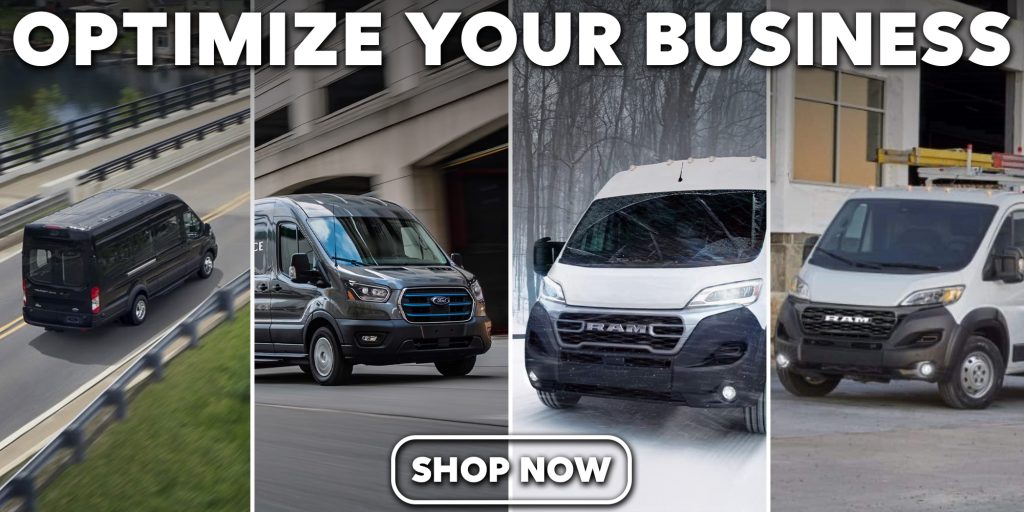
When it comes to running a successful business, especially one that relies on transporting goods or equipment, choosing the right cargo van is essential. The van needs to be reliable, spacious, fuel-efficient, and equipped to handle the demands of your business. Among the most trusted brands for cargo vans are Ford and Ram. Crossroads Automotive Group has put together a guide outlining some of the best types of cargo vans each brand has to offer. They’ll be evaluated on size, reliability, commercial capabilities, and overall value. Let’s get started!
Does Your Business Need a Cargo Van?
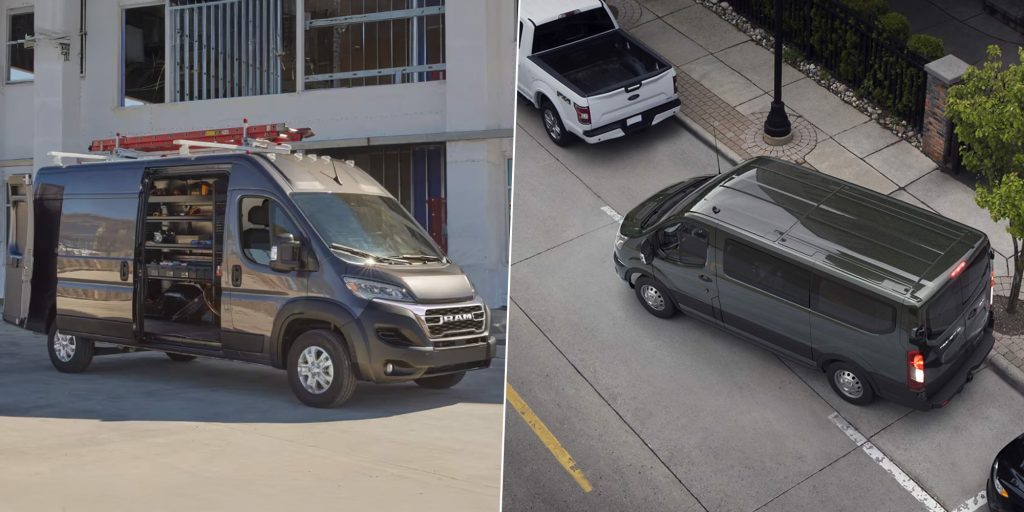
Cargo vans come in a variety of sizes, configurations, and use different powertrains to meet the needs of different business types. When considering the best types of cargo vans for your business, you should prioritize reliability, payload capacity, ease of access, and fuel efficiency. There are generally two categories of cargo vans: small cargo vans and full-size cargo vans. As you read on, it’s wise to identify which style of van your business needs to help you budget for fleet expenses and maintain high standards during daily operations. Small cargo vans are ideal for urban deliveries or businesses with less equipment to haul. These vans provide excellent maneuverability and fuel efficiency, making them suitable for businesses that need to make frequent stops in congested areas. Full-size vans are preferred by larger businesses with heavy-duty needs or those that need to transport larger quantities of goods or equipment.
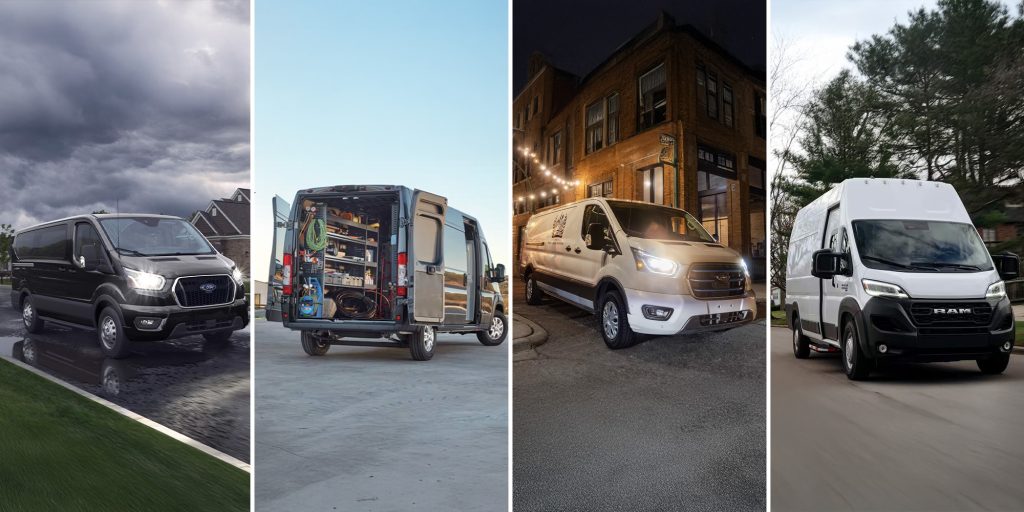
Most Reliable Cargo Vans
When selecting the best types of cargo vans for your business, reliability is one of the most critical factors. A van that frequently breaks down can cause delays and damage your reputation. Let’s take a look at some of the most reliable cargo vans out there.
Ford Transit: Often regarded as one of the best transit vans for business, Ford has a long history of producing durable, well-built vehicles. While continuing that legacy with a reputation for longevity and low maintenance costs, you can secure a Ford Transit and configure it to your business needs, including passenger transport for up to 15 people or for storing tools and heavy-duty equipment with up to 487.3 cu.ft. behind the first row. This is also one of the best cargo vans for contractors, capable of carrying everything needed for the job.
Ford E-Transit: Looking to extend your delivery range while reducing your carbon footprint? The all-electric Ford E-Transit is the perfect solution. With up to 536.4 cu.ft. of cargo space, this van offers plenty of room for your goods. Plus, it can travel up to 159 miles on a single charge, allowing you to complete your deliveries without needing to stop for fuel. It’s an efficient, eco-friendly option for businesses aiming to streamline their operations.
Ram ProMaster: Known for its sturdy build and robust performance, the Ram ProMaster is often used by contractors and delivery services. As one of the best commercial vans, its front-wheel drive offers better traction, especially when fully loaded, and its low step-in height makes it easier to load and unload cargo. The Ram ProMaster is a fantastic cargo van for business, especially if you choose to configure it with the Super High Roof option, giving you 86 in. of cargo height and 524 cu.ft. of maximum cargo space.
Ram ProMaster EV: Ram’s all-electric cargo van is one of the best types to throw its hat into the ring. The Ram ProMaster EV is designed to offer businesses a sustainable and efficient transportation solution, with a maximum range of up to 250 miles on a full charge. It also has a maximum payload capacity of up to 5,000 lbs. with up to 3,800 cu.ft. of cargo space, providing ample room for goods while offering an eco-friendly solution.
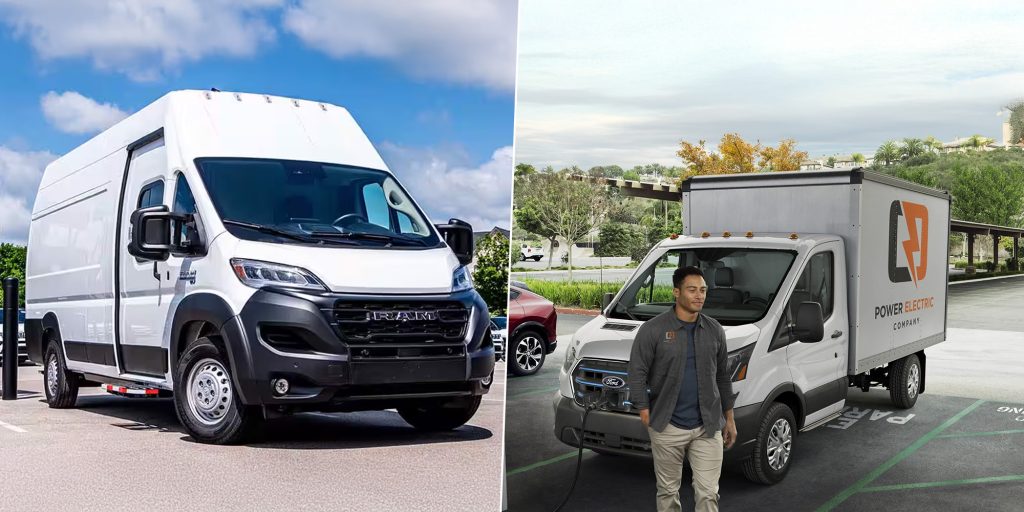
Best Delivery Vans
For businesses that focus primarily on deliveries, the best commercial vans need to maneuver efficiently, travel with ease, and must be capable of carrying large loads. Among the leading options, the Ford Transit stands out with its optional EcoBoost® engine, which provides excellent power without sacrificing fuel economy. Its multiple configurations, including a low, medium, or high roof, and modern technology make it a favorite among delivery services with a high volume of deliverables. Additionally, configuring a low roof at up to 52.8 in. allows the Ford Transit to be the best small cargo van for your business. The Ram ProMaster also has a standard roof option of up to 66 in. and cargo length of up to eight feet, minimizing your presence on the road, but carrying the necessities.
Meanwhile, the electric cargo van options, including the Ford E-Transit and Ram ProMaster EV, allow you to cover more distance while offering a spacious interior. Thanks to their versatility, you’ll optimize all angles of your delivery route, from time management to the power that’ll carry you through busy streets.
Get the Most Out of Your Fleet
Choosing the best types of cargo vans depends on the specific needs of your company. Whether you’re looking for a small cargo van, a reliable delivery van, or a heavy-duty workhorse for contractors, the brands Ford and Ram each offer excellent choices. For small businesses, the Ford Transit and Ram ProMaster with low-roof configurations are top picks for their compact size and efficiency. When reliability and cargo space are paramount, the Ford Transit, Ford E-Transit, Ram ProMaster, and Ram ProMaster EV offer the versatility and strength that businesses need. Ultimately, selecting the right cargo van will help optimize your operations, reduce costs, and ensure your business runs smoothly. Get started by visiting your choice from the dealerships within Crossroads Automotive Group today!
Best Work Trucks For Small Businesses

Sourcing The Best Work Trucks For Small Businesses
For small businesses, having the right work truck can make a world of difference in improving productivity, cutting costs, and boosting brand presence. Whether you’re hauling materials, managing deliveries, or transporting a crew, choosing the right truck for your business needs can help you work smarter, not harder. The key is finding a vehicle that fits your unique operational demands without overextending your budget. Crossroads Automotive Group has put together a guide to discuss some of the top work trucks available from Ford, Nissan, and Ram, outlining what to look for when shopping and highlighting the best options for your business. Once you’re ready to secure the small business truck of your dreams, visit any of our Crossroads dealerships throughout North Carolina to get started!
Different Types of Work Trucks
Work trucks are generally categorized into three main types based on their Gross Vehicle Weight Rating. Knowing these types will help you assess your needs for small business trucks.
Light-Duty Trucks: Perfect for smaller businesses or light tasks, these trucks are considered to have a GVWR of up to 8,500 lbs., and balance affordability with essential hauling capabilities.
Midsize Trucks: With a GVWR of 8,501-10,000 lbs., midsize trucks offer a balance between power and maneuverability. They’re great for businesses that need both strength and efficiency.
Heavy-Duty Trucks: These trucks are designed for demanding tasks, having a GVWR of over 10,001 lbs. With large payloads and superior towing capacities, these trucks possess the versatility for numerous industries.
Key Factors to Consider When Shopping
When evaluating potential work trucks for small businesses, several considerations must be made before selecting the best one.
Payload and Towing Capacity: Ensure your truck can handle the weight of your typical cargo or equipment.
Fuel Efficiency: Saving on fuel can be crucial for keeping your business’s operational costs low, especially for vehicles in frequent use.
Durability and Reliability: Small businesses depend on vehicles that won’t break down or require excessive maintenance.
Versatility: Features like crew cabs or configurable beds can improve utility and comfort depending on your business needs.
Value Retention: Look for trucks that offer solid performance, low operating costs, and good resale value.
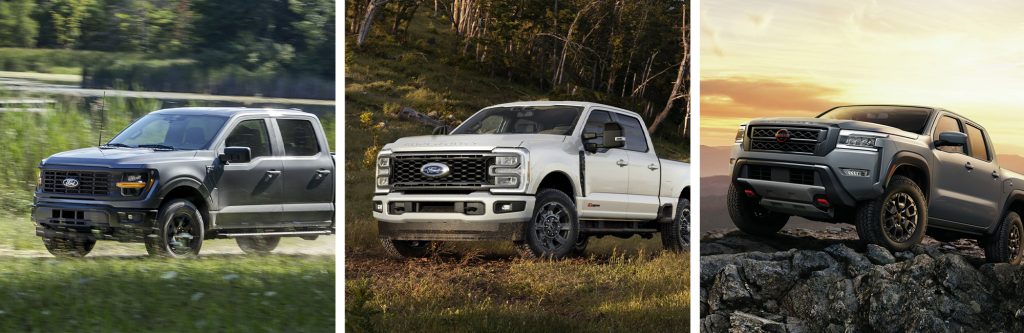
Top Work Trucks for Small Businesses
Let’s review some of the best small business trucks that the Ford, Nissan, and Ram brands have to offer.
Ford F-150: America’s Favorite Truck has positioned itself as a versatile, full-sized model that’s a staple in the small business world. Known for its best-in-class towing and payload capacities, the Ford F-150 can handle almost any task. Available in various powertrains, including fuel-efficient hybrid and gas types, its advanced features like Pro Power Onboard, and a built-in mobile generator, make it a perfect truck for small businesses requiring on-the-go power.
Ford Super Duty Trucks: If your business demands heavy-duty performance, the Ford Super Duty lineup includes the Ford F-250, Ford F-350, Ford F-450, and Ford F-550. Each model offers unmatched towing and payload capacities, and are tailored for tough jobs, from hauling heavy equipment to navigating rugged environments. With powerful gas and diesel engine options, advanced driver-assist technologies, and features like Pro Trailer Backup Assist, these small business trucks are perfect for all kinds of industries.
Nissan Frontier: When you need a reliable, budget-friendly midsize truck for your small business, the Nissan Frontier offers great towing power and solid fuel efficiency. Its smaller size makes it easy to maneuver in urban settings, while its durable bed can carry essential tools or equipment. The Nissan Frontier is an excellent choice for businesses needing a dependable truck that offers value and performance.
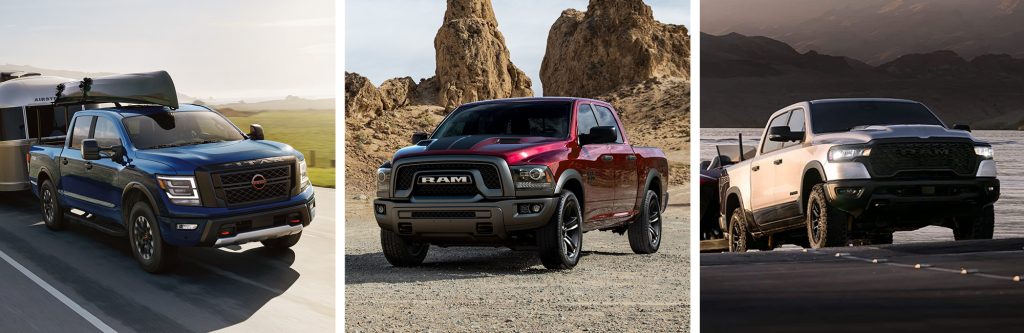
Nissan Titan: The Nissan Titan is a full-sized truck designed for businesses needing heavy-duty performance. Its powerful V8 engine delivers incredible horsepower and towing capacity when you need it, while advanced safety features like Rear Cross-Traffic Alert and Blind-Spot Monitoring make it safer for urban and rugged terrains. Ideal for larger payloads and diverse work environments, the Nissan Titan is perfect for businesses in construction, landscaping, or transportation.
Ram 1500: If a workhorse and a comfortable daily driver is something your business requires, the Ram 1500 combines all of the comfort and utility you need. It offers class-leading towing capabilities and innovative features such as the RamBox® Cargo Management System. Thanks to a coil-spring rear suspension, a smooth ride ensures that it’s as good for commuting as it is for transporting tools and equipment.
Ram Heavy Duty Trucks: For businesses needing maximum payload and towing capacity, the Ram 2500 and Ram 3500 are the ideal choices. With their high-output diesel engine options, these trucks excel in demanding industries like construction, farming, and logistics. They feature impressive towing capabilities, a spacious interior for comfort on long days, and advanced tech to help with navigation and safety. The Ram Heavy Duty lineup is built to handle the toughest job sites with ease.
Keep in mind that each of these trucks were designed to serve a variety of needs. It’s important that you research them more in depth, while assessing your own needs in order to discover which small business truck is right for you. You can contact our helpful staff in any of our Crossroads locations for more information.

Financing Options for Your Fleet
Affording a quality work truck for your small business doesn’t have to be a financial burden. Several financing options are available, including specialized loans for business vehicles or leasing programs that offer flexibility and the ability to upgrade regularly. Brands like Ford, Nissan, and Ram offer exclusive deals and fleet programs tailored specifically to small businesses. Contact our staff for more information on how you can optimize these programs to reap the most savings.
Section 179: This is a program that offers tax breaks for your small business trucks.
Ford Credit: Take advantage of the Ford Credit program for your business. This provides flexible financing options, including loans and leases to help your business manage its fleet.
Nissan Business Advantage: By utilizing the Nissan Business Advantage, you can enjoy tailored fleet solutions with exclusive pricing, flexible financing, and dedicated support to help businesses optimize their vehicle fleet.
Ram BusinessLink: From providing small businesses with exclusive benefits like dealer support, extended service hours, and financing options, the Ram BusinessLink simplifies fleet management.
Enhance Your Business Efficiency
The right work truck can significantly improve your business by reducing operational costs, enhancing efficiency, and boosting your brand image. Whether you’re looking for a light-duty pickup like the Ford F-150 or a heavy-duty powerhouse like the Ram 3500, there’s a perfect truck for your small business needs. By assessing your specific requirements, you can make a smart investment that supports your daily operations. Visit our various Crossroads stores in North Carolina to explore the best options for your business. Test drive these reliable, powerful trucks today!
How To Avoid Car Depreciation By Buying Used
Car Depreciation: Tips For Protecting Your Investment
When you decide to purchase a car, depreciation is an inevitable fate. Car depreciation is the decrease in a car’s value over time due to a number of factors. Although it’s a natural process, some cars depreciate faster than others, like if it’s been damaged from an accident. At Crossroads Automotive Group, we’ve put together a guide on how to avoid car depreciation for when you decide to purchase a Ford, Nissan, Chrysler, Dodge, Jeep, Ram, or INFINITI model from any of our stores throughout North Carolina. Understanding how car depreciation works can help you when you’re purchasing or selling a car. Get in touch with our dealers today!
Factors Affecting Car Depreciation
When looking into how to avoid car depreciation, you first need to know some facts about it. On average, new cars depreciate by around 20% after the first year, with factors like make, model, condition, mileage, and desirability influencing this rate. Putting more miles on your car contributes to faster depreciation due to increased wear and tear, while well-maintained cars with low mileage tend to retain their value better. Used vehicles after 100,000 miles depreciate slower because the idea is that a vehicle that’s 10 years old and reached that mileage is often more well maintained than a vehicle that’s five years old at 50,000 miles. So if used cars have a slower depreciation as time goes by, and new cars quickly lose their value in the beginning, how do you avoid car depreciation? To slow it down, practices such as regular cleaning, avoiding modifications, and safe driving habits can be beneficial. While these factors allow you to slow car depreciation, cars that are in high demand generally depreciate even more slowly than those that are less popular. No matter your feelings towards the car, market forces dictate the value of your ride.

Calculating Car Depreciation
An online car depreciation calculator can help you estimate the depreciation of a car over a certain period of time. It takes into account the car’s make, model, year, condition, current price, mileage, and how long you intend to own it. Note that the results aren’t fully conclusive on how to avoid car depreciation, as they are only rough estimates that are based on current trends regarding the vehicle of your choice. We also recommend contacting the experts across our various stores within Crossroads Automotive Group for an accurate estimate.
Buying a Car with Low Depreciation
Buying a used car can be a cost-effective option in how to avoid car depreciation. A two-year-old vehicle may cost significantly less than a new one due to the used car depreciation rate after the first year. New cars with slower depreciation, such as a Ford Explorer or an INFINITI QX60, can also help you save money in the long run, as they hold their value better than new cars with high depreciation rates, typically the less popular or reliable models.
Minimizing Depreciation Strategies
Although your vehicle will decrease in value over time, what can you do to avoid car depreciation? Here are some tips to help you mitigate new and used car depreciation.
Maintenance: Preserve your car’s value with regular maintenance and little to no customization. By adhering to a consistent maintenance schedule, you can significantly extend your vehicle’s lifespan and optimize its performance. This proactive approach not only helps prevent costly breakdowns but also enhances the overall driving experience. Moreover, a well-maintained car with a documented history and little to no customizations is more attractive to potential buyers, thereby boosting its resale value.
Driving Habits: Since cars rapidly lose their value due to depreciation, especially brand-new cars, it’s best to employ safe and responsible driving habits. Aggressive driving accelerates wear and tear on the vehicle’s components, leading to faster depreciation. In contrast, gentle driving, such as maintaining steady speeds and avoiding abrupt maneuvers, minimizes stress on the car’s engine, transmission, and brakes. These practices can also reduce the likelihood of accidents, another major factor in depreciation. Additionally, exposing your vehicle to extreme weather conditions, like intense heat or freezing cold, can accelerate aging and damage sensitive components.
Exterior/Interior Upkeep: More tips on how to avoid car depreciation is by taking simple steps to preserve your vehicle’s appearance. This includes using a car cover to shield it from the elements and regularly washing and waxing its surface. Vacuuming the inside and wiping down high-touch surfaces also preserves a cleaner feel. Additionally, using a sunshade to protect the interior from harmful UV rays can help maintain its condition. A well-maintained car not only looks better but also feels better to drive.

Maintaining Your Car’s Resale Value
Depreciation on a new car is much faster than on a used vehicle because once it drives away from the dealership, it immediately loses the “brand-new” factor and is already considered a used vehicle. This is because a buyer is not usually going to want to pay a near-original MSRP price for a used vehicle, even with minimal miles. It also raises concerns as to why the vehicle was brought back in a short amount of time. Planning for long-term car ownership can assist you with how to avoid car depreciation. By selecting a vehicle you intend to keep for an extended period, you can maximize its resale value by properly taking care of it. But if it’s a vehicle in high demand, like the Ford F-150, the resale value will work in your favor, no matter its condition.
Another method on how to avoid car depreciation is by selling your car privately. By opting for a private sale instead of a trade-in, you can often secure a higher selling price. Online marketplaces provide a convenient platform to reach a wider audience of potential buyers, increasing your chances of finding a buyer who values your vehicle. By taking the time to list your car accurately, negotiate effectively, and handle the paperwork yourself, you can maximize your return and minimize the impact of depreciation.
Drive With Confidence
Now that you’re equipped with more understanding on how to avoid car depreciation, you’re ready to select the ride that’s perfect for you. Visit any of our stores within Crossroads Automotive Group to get started today!
Used Car Inspection Checklist
Essential Guide To A Thorough Used Car Inspection
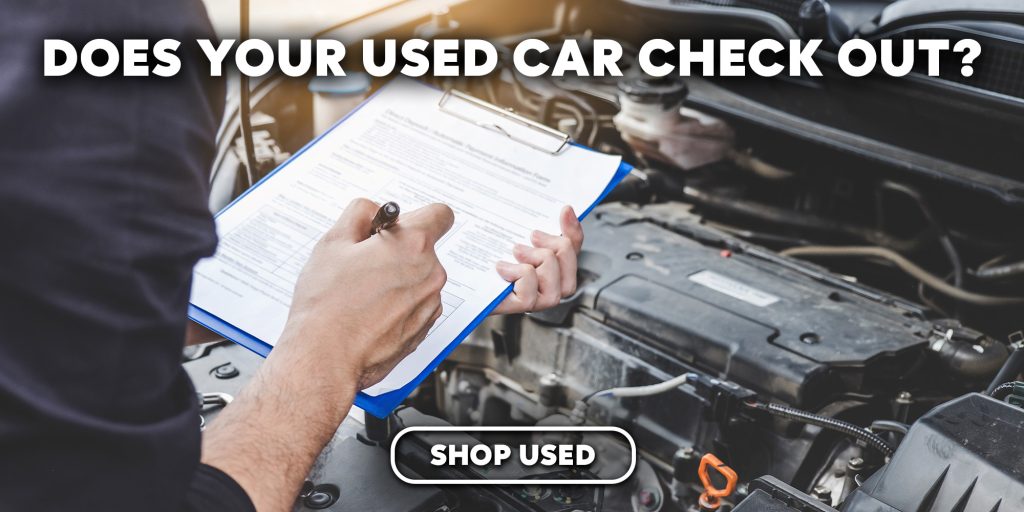
If you’re thinking about purchasing a pre-owned vehicle, it’s important to inspect it for a variety of issues in order to know what you’re getting yourself into. From the exterior to the interior, knowing the vehicle you intend to drive will allow you to harness a better understanding of the work that may need to be done to it and provide you with clarity. Whether you’re selecting a Ford, Nissan, INFINITI, Chrysler, Dodge, Jeep, Ram, or another used model, it’s crucial to conduct a thorough used car inspection. Visit any of the dealerships that Crossroads Automotive Group has in North Carolina, and our knowledgeable staff will guide you through the purchase of a used car inspection when you select your ride.

Why a Used Car Pre-Purchase Inspection is Crucial
A pre-purchase inspection is a smart investment that can save you from costly headaches down the road. By providing a detailed report on a used car’s condition, it empowers you to negotiate a fair price or walk away if necessary. This invaluable tool can uncover hidden damage or accident history, ensuring transparency and peace of mind, especially when buying from private sellers or online. Don’t let potential problems derail your car-buying journey; take control with a pre-purchase inspection.
What Questions You Should Ask
At a Dealership: To ensure a worthwhile inspection, ask pertinent questions about the vehicle’s mileage, features, condition, accident history, maintenance records, and open recalls. High or low mileage can indicate specific usage patterns, while features and condition provide insights into the vehicle’s overall quality. Accident history and repair details should be verified with a vehicle history report. Maintenance records, including receipts and odometer readings, highlight the car’s care. Checking for open recalls and their resolution status is crucial for safety. By asking these questions from the staff in any of Crossroads Automotive Group’s multiple locations, you can make an informed decision about the vehicle’s suitability.
From a Private Seller: When dealing with private sellers, ask about their ownership history, primary driver, and reason for selling. A clear ownership history with verifiable maintenance records is ideal. Meeting the primary driver can provide insights into their driving habits and car care. A plausible reason for selling, rather than an evasive or overly complex one, is a positive sign. By asking these questions, you can gain valuable information about the vehicle’s history and potential issues.
It’s important to note that the Federal Trade Commission mandates that car dealers display a Buyer’s Guide on used vehicles, detailing important information like warranty coverage and repair cost responsibilities. This guide takes precedence over any conflicting contract terms, ensuring dealer accountability for promised warranties. As-is sales, which exempt dealers from post-purchase liabilities, are often restricted by state laws for higher-priced vehicles. Understanding the Buyer’s Guide is crucial for informed used car purchases.
Time to Inspect
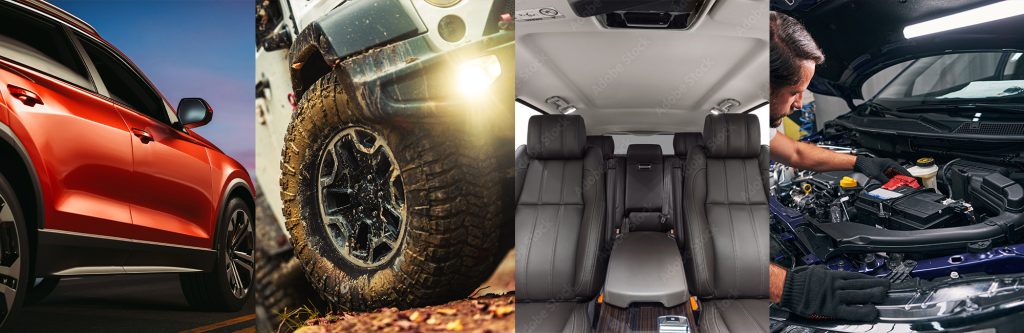
Before we get into the used car inspection list, make sure to conduct it in daylight on a dry day, preferably on a leveled surface, and allow the car to cool for at least an hour. This ensures you get optimal viewing conditions to identify potential issues that may be hidden under less favorable circumstances.
Exterior
Body Condition: Inspect the vehicle for damage, misalignment, and rust, paying close attention to paint consistency and rubber seals.
Glass: Check the glass for cracks, chips, and damage, especially the windshield.
Suspension: Assess the vehicle’s levelness, shock absorber function, and tire play for signs of wear and tear.
Lights and Lenses: Ensure all lights are working and the lenses and reflectors are intact and clear.
Tires: Evaluate tire age, brand consistency, tread wear, and sidewall condition, and check the spare tire and tools.
Under the Car: Look for fluid leaks, exhaust residue, and signs of structural damage, including rust and recent repairs. Inspect CV joint boots for damage.
Interior
Odor: Sniff for musty, moldy, or acrid smells indicating water damage or smoking.
Seats: Check all seats for wear, proper function, and comfort, including rear seats and folding mechanisms.
Pedals: Assess pedal rubber wear for indications of driving habits.
Instruments and Controls: Verify warning light function, engine starting and idling, and the operation of all switches, buttons, and levers. Test heater and air conditioning performance.
Sound System: Check radio reception, CD player function, and smartphone connectivity, including Android Auto™ and Apple CarPlay®.
Roof: Inspect the headliner and roof trim for water damage, and test the sunroof or moonroof operation and seal.
Trunk: Sniff and visually inspect the trunk for water damage and rust.
Under the Hood
Hoses and Belts: Inspect rubber hoses for firmness and cracks, and check drive belts for fraying.
Fluids: Check engine oil, transmission fluid, power steering fluid, brake fluid, and coolant levels and condition.
Battery: Assess battery health using a charge indicator or by checking fluid levels. Consider a professional battery test, especially for older batteries.
Electric Vehicles and Hybrids: Ensure full battery charge before a test drive and monitor battery charging/discharging behavior in hybrids.

Meeting With A Mechanic
Whether you decide to inspect your next vehicle yourself or not, it’s crucial to have a used car inspection conducted by a trusted mechanic. This inspection will cost you money, but it’ll be worth it. You’ll receive a comprehensive report on the vehicle’s condition, including any necessary repairs. Insist on this inspection, even if the seller claims the car has already been checked. If dealing with a private seller, offer to accompany them to the inspection. A reputable auto parts store can recommend a reliable mechanic if you need assistance finding one.
All Boxes Checked?
Thorough research and investigation are key to ensuring a smooth used car purchase. Online research is a great starting point to identify potential vehicles. Direct communication with private sellers or through the dealerships that are part of Crossroads Automotive Group will allow you to assess the vehicle’s condition and history. By following these steps and securing a test drive, you can increase your chances of finding a reliable used car from our diverse inventory of Ford, Nissan, INFINITI, Chrysler, Dodge, Jeep, Ram, and more!
Used Car Warranty Coverage Options

Understanding Used Car Warranties
Car buying is one of the most important decisions you’ll make, whether you decide to purchase new or used. You can enjoy the freedom of the open road, going wherever your busy life takes you. You can ride with peace of mind knowing you’re protected by a vehicle warranty. Investing in used car warranty coverage protects you from unexpected repair costs, like mechanical failures, accidents, or anything that impedes your journey. By selecting the warranty coverage of your choice from Crossroads Automotive Group’s numerous stores throughout North Carolina, our dealers will ensure you’re getting the best plan. Get started by contacting us today!

What Does a Used Car Warranty Cover?
The coverage provided by a used car warranty can significantly vary between manufacturers and providers. However, it typically includes repair costs for defective parts and workmanship, replacement of parts for covered systems, and labor costs associated with covered repairs. Many warranties offer additional benefits, such as rental car coverage and trip interruption assistance, which can be particularly helpful during extensive repairs. The cost of a used car warranty is calculated from a higher deductible with lower monthly payments and vice versa, the level of coverage, the provider, and the vehicle make, model, and mileage. Our Crossroads dealers will give you a full breakdown of used car warranty coverage when you select your ride.
Types of Warranty Coverage
Used car warranty coverage comes in several types, each offering different levels of protection. A bumper-to-bumper warranty is the most comprehensive option, covering nearly all components of the vehicle, from electrical systems to air conditioning. In contrast, a powertrain warranty is typically more limited and covers the engine, transmission, and drivetrain. This type of warranty provides essential protection for the most critical components of the vehicle’s operation. Another option is a stated-component warranty, which specifies certain parts that are covered, making it crucial for buyers to understand which components are included and excluded. Used car extended warranties extend the coverage period beyond the original factory warranty, making them particularly beneficial for used vehicles that may no longer be under factory coverage. You can purchase this used car warranty from a dealership, the manufacturer, or third-party warranty providers.

Best Warranty Providers
When considering warranty providers, it is essential to research their reputations and customer satisfaction levels. Notable manufacturers such as Ford, Nissan, INFINITI, Chrysler, Dodge, Jeep, and Ram offer distinct warranty options for used vehicles. Let’s examine how each of these brands handles used car warranty coverage for their certified pre-owned vehicles.
Ford Blue Advantage Gold Certified
Limited Warranty: A 12-month/12,000-mile comprehensive limited warranty covers over 1,000 components.
Powertrain Warranty: A 7-year/100,000-mile powertrain warranty, which begins from the original sale date, ensures coverage of the engine, transmission, and more.
Roadside Assistance: 24/7 roadside assistance for five years or up to 60,000 miles from the original sale date.
Vehicle Inspection: Each Ford Blue Advantage Gold-Certified vehicle undergoes a 172-point inspection to meet Ford’s certification standards.
Nissan Certified Pre-Owned
Limited Powertrain Warranty: A 7-year/100,000-mile limited warranty that covers various components from the original sale date.
Vehicle Inspection: Each Nissan CPO vehicle undergoes a 167-point inspection to ensure quality and performance.
Roadside Assistance: 24/7 roadside assistance for the duration of the warranty period, offering peace of mind for unexpected situations.
INFINITI Certified Pre-Owned
6-Year/75,000-Mile Warranty: The CPO vehicles come with a limited warranty that lasts for 6 years from the original in-service date or until the vehicle reaches 75,000 miles, whichever comes first.
$0 Deductible: There is no deductible for covered repairs.
Additional Coverage Options: You can purchase extended protection plans, which can extend coverage beyond the standard warranty terms.
24/7 Roadside Assistance: INFINITI CPO vehicles also include complimentary 24/7 roadside assistance for the duration of the warranty.
Chrysler, Dodge, Jeep, and Ram CPOV Program
7-Year/100,000-Mile Powertrain Limited Warranty: This warranty covers the powertrain for up to 7 years from the vehicle’s original in-service date or until it reaches 100,000 miles, whichever comes first.
$0 Deductible: There is no deductible for covered repair visits.
125-Point Inspection: All CPO vehicles undergo a thorough 125-point inspection to ensure quality and reliability.
3-Month SiriusXM Trial Subscription: You receive a complimentary 3-month subscription to SiriusXM satellite radio.
24/7 Roadside Assistance: CPO vehicles come with 24/7 roadside assistance for the duration of the warranty.

Warranty Exclusions and Limitations
It’s important for you to understand what’s not covered under warranty agreements. Common exclusions include wear and tear parts, such as brake pads, tires, and wiper blades, which are usually not covered since they are subject to normal wear. Additionally, damages from external factors like accidents, weather events, or poor maintenance are typically excluded from coverage. Used car warranty coverage plans usually don’t cover repairs required before the warranty purchase and regular maintenance tasks like oil changes or tire rotations, which remain the owner’s responsibility. Get in touch with the Crossroads dealer of your choice to see the full limitations of your selected ride.
A Good Investment for Long-Term Ownership
A used car warranty is a valuable investment for your next ride. Start owning the pre-owned vehicle that speaks to you by getting in touch with one of our various stores offered through Crossroads Automotive Group. In North Carolina, you’re guaranteed to find the used car warranty coverage for you!
Can You Trade In A Car For A Used Car?
Can You Trade In A Car For A Used Car? A Comprehensive Guide
The decision to part ways with a beloved ride and embark on a new automotive journey is often complex after you’ve created memories and been on countless adventures with it. However, things in life happen, and the time comes to explore if you can trade in a car for a used car. Understanding the trade-in options available is a key factor in this process, and Crossroads Automotive Group is here to help you navigate the intricacies of trading in a vehicle. These include delving into the potential benefits, considerations, and factors influencing the decision-making process. To answer your question, “Can I trade in my car for a used car?” continue reading!

The Flexibility of Vehicle Trade-Ins
Dealerships have long recognized the value of offering flexible trade-in options to their customers. Whether you’re driving a pristine Ford Mustang or a well-loved Nissan Rogue, chances are your vehicle holds trade-in value. This flexibility is a boon for car owners seeking to upgrade, downgrade, or simply change their ride. Whether you have your sights set on a Ford F-150 that’s seen some action or a pre-owned INFINITI QX60 of your favorite model year, trading in your current car can streamline the purchasing process.
Timing Your Trade-In: A Delicate Balance
You’re probably asking yourself, “Can I trade in a used car I just bought?” The short answer is yes, but while the allure of a shiny new model may be tempting, impulsive decisions can sometimes lead to financial drawbacks. Trading in your car after two years might not yield the best return on investment due to depreciation, but exceptions do exist. If your car has suffered unforeseen mechanical issues or if your financial situation has changed dramatically, trading in sooner rather than later might be a prudent move. Additionally, if you are facing negative equity, where the amount owed on your vehicle exceeds its market value, trading in might help manage the financial burden. This leads to the age-old dilemma of whether you should trade in your car or opt for a private sale. Each option carries its own set of advantages and disadvantages.
Trading in your car for a used car offers convenience and speed. Dealerships typically provide a quick valuation and handle the paperwork, saving you time and effort. However, the car’s trade-in value might be lower than what you could potentially fetch by selling the vehicle privately. On the other hand, trading a car for a used car can be a more lucrative option. Selling your vehicle yourself demands significantly more time and effort. You’ll need to advertise your vehicle, field inquiries, negotiate with potential buyers, and handle the paperwork yourself.
The Benefits of Trading In Your Car with Crossroads
Opting to trade in your ride at any of our dealerships throughout North Carolina comes with several advantages beyond convenience. One of the most compelling benefits is the potential to offset the cost of your next vehicle. The trade-in value can be applied as a down payment or towards the overall purchase price, making the transition smoother. This can also positively impact your new car loan by reducing the amount you need to finance. Moreover, we offer competitive trade-in appraisals, maximizing your investment from our expertise in vehicle valuation that can help you secure a fair price. Additionally, trading in your car for a used car can simplify the financing process as we factor the trade-in value into your auto loan towards your next vehicle.
Factors Affecting Trade-In Value
Several factors influence whether you can trade in your car for a used one, including the vehicle’s age, mileage, condition, overall demand in the market, and any existing car loan. Well-maintained cars with low mileage typically command higher trade-in values, while vehicles with extensive wear and tear or mechanical issues will likely fetch less. If you have a current car loan, the remaining balance can also affect the trade-in value and the overall financial outcome. The specific model and trim level also impact the value. Popular models like the Ram 1500 or Jeep Wrangler tend to hold their value better than less in-demand options.
Ready to Trade?
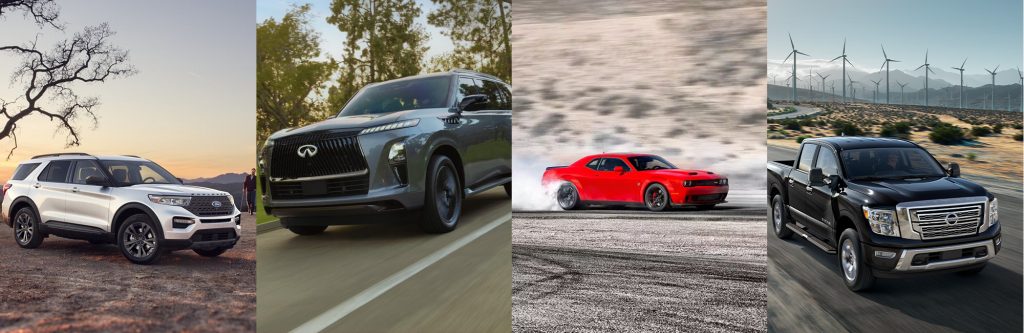
Ready to trade in your car for a used ride? Whether you’re eyeing a rugged Nissan Titan, a spacious INFINITI QX80, a family-friendly Ford Explorer, a road-ready Dodge Durango, or something else, we can help. Our expert team at Crossroads Automotive Group will guide you through the trade-in process, maximizing your value and making your car-buying experience seamless. Visit your nearest Crossroads store today!
What Mileage Is Good For A Used Car?

Good Mileage For Used Cars
When buying a used car, mileage is a crucial factor. Lower mileage generally indicates less wear and tear, but factors like age, make, model, and condition also matter. Service history, driving environment, and storage can also impact value. Understanding what constitutes good mileage for a used car can help you get the most value for your money. At Crossroads Automotive Group, we’ll delve into the details of used car mileage, the factors that influence a car’s value, and how to assess a used car’s condition beyond just the odometer reading. Afterward, you’ll have the confidence to find a Ford, Nissan, Chrysler, Dodge, Jeep, Ram, or INFINITI at any of our Crossroads stores.

How Many Miles Is Too Much For A Used Car?
The average American driver puts well over 10,000 miles on their car annually. Using this as a benchmark, you can estimate a used car’s expected mileage based on its age. This baseline helps you determine what is good mileage for a used car. A 10-year-old ride with only 70,000 miles would be considered low mileage on a used car and could actually be a good deal. Conversely, a five-year-old car with 140,000 miles would be seen as high mileage, raising concerns about its condition and longevity.
How Mileage Impacts Pricing
Good mileage for a used car is a crucial factor in determining its value. Generally, lower-mileage cars command higher prices due to less usage and a potentially longer lifespan. However, high-mileage cars can still be a good option, particularly if they’ve been well-maintained. While they may require more regular repairs and maintenance due to age, a lower purchase price can offset these costs, especially if the car is likely to continue running smoothly for years to come. When evaluating a used car, consider its overall condition, maintenance history, and price in addition to mileage. A high-mileage car with a clean maintenance record and a low asking price might be a better value than a lower-mileage car with a history of neglect and a higher price tag. Ultimately, good mileage for used cars is just one of the factors in making a decision. Other considerations depend on your budget, driving needs, and risk tolerance.
Why Is High Mileage Bad?
While high mileage can be a red flag for some, it doesn’t always signal a bad car. Highway driving, with its steady speeds and fewer stops and starts, is generally less taxing on a vehicle than city driving. However, high-mileage cars require careful upkeep. A thorough inspection of the maintenance history is crucial, including consistent oil changes, timely repairs, and adherence to manufacturer recommendations. Consider your driving habits as well. If you commute long distances or frequently take road trips, a car with high-mileage is not good mileage for a used model, as it might reach its typical lifespan sooner. Before making a purchase, always review the vehicle history report for any accidents, recalls, or other issues. A professional mechanic can also provide valuable insights into the car’s condition and potential problems. By carefully evaluating these factors, you can make an informed decision about a high-mileage vehicle.
Beyond Mileage: Factors Affecting Used Car Condition
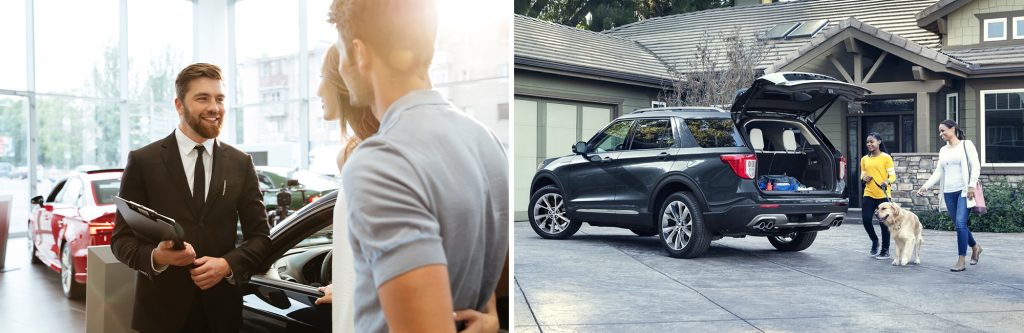
While good mileage for a used car is a valuable indicator of a car’s potential lifespan, it’s not the only factor to consider. The car’s history, including driving conditions and ownership changes, can significantly impact its condition. City driving, with its frequent stops and starts, can be more demanding on a vehicle than highway driving. Cars with a single owner are often better maintained than those with multiple owners. A detailed maintenance history is a crucial indicator of a well-cared-for car, regardless of mileage. Regular oil changes, timely repairs, and other preventive maintenance demonstrate a commitment to keeping the vehicle in good condition. By considering these factors in addition to mileage, you can make a more informed decision when purchasing a used car.
Mileage & Used Car Value
The odometer reading is a key indicator of a used car’s condition and potential future performance. Lower mileage generally suggests a better ride quality and fewer immediate repairs. However, maintenance history, driving environment, and brand reputation are also crucial factors to consider. Ford, Nissan, Chrysler, Dodge, Jeep, Ram, and INFINITI are well-respected brands renowned for producing durable and reliable vehicles. Even with higher mileage, vehicles that have been consistently maintained can offer excellent value. When evaluating a used model beyond its good mileage for used cars, be sure to inspect the vehicle thoroughly, review its maintenance history, and consider your driving needs to determine if it’s the right choice for you.
If guaranteed quality rides are what you’re looking for from any of our Crossroads locations, consider checking out the certified pre-owned inventories from our brands. No matter what model you select from notable Ford, Nissan, Chrysler, Dodge, Jeep, Ram, and INFINITI brands, you can be at ease knowing that your ride has been thoroughly inspected and requires low mileage in order to qualify. Contact any of our Crossroads locations for more information.
Best Mileage for a Used Car: Finding Your Ride
The ideal mileage for a used car depends on various factors. While cars with under 50,000 miles are generally preferred, well-maintained high-mileage vehicles from reputable brands can also be excellent options depending on your intended use. Factors like the car’s make, model, maintenance history, and your personal driving needs should be considered when evaluating a used car. Good mileage for a used car is just one piece of the puzzle. Assessing the car’s condition, maintenance history, and usage provides a clearer picture of its value and reliability. Whether you choose a used car with good mileage or a well-maintained high-mileage vehicle, informed decision-making ensures you get the best value for your investment. Don’t forget to check out certified pre-owned models as well. Ready to start shopping? Visit any of our Crossroads stores to find the ride that’s perfect for you.
Buying Used Cars Online vs. At A Dealership: What’s The Difference?
The automotive industry, like many others, has undergone a significant transformation with the rise of e-commerce. Buying a car online is increasingly popular, offering convenience and the ability to compare a vast array of options. However, when it comes to a substantial purchase like a used Ford, Nissan, INFINITI, Chrysler, Dodge, Jeep, or Ram, the traditional dealership model still holds compelling advantages. Visiting any of our dealerships part of Crossroads Automotive Group is an experience you’ll want to pursue if you’re deciding to buy a used car online vs. at our dealership.
Is It Good To Buy A Used Car Online?
The digital age has undoubtedly revolutionized the car-buying process. Online platforms provide a seemingly endless inventory of used cars, allowing you to compare prices, features, and vehicle history reports with ease. While this convenience is undeniable, it is essential to recognize the limitations of online car shopping, especially when considering a used model. A physical inspection is crucial for assessing a vehicle’s true condition. Online listings often present cars in their best light, potentially obscuring wear and tear, accident damage, or underlying mechanical issues. Moreover, buying a used car online vs. at a dealership creates an absence of a hands-on examination. You wouldn’t be able to evaluate factors such as interior wear, upholstery condition, and equipment functionality.
Is Buying A Used Car Online A Good Idea?
Buying a used car online vs. at a dealership simply isn’t the same. Beyond the physical inspection, the human element is a cornerstone of the car-buying experience. Our sales professionals possess in-depth knowledge of Ford, Nissan, INFINITI, Chrysler, Dodge, Jeep, and Ram vehicles, their history, and specific model features. This expertise is invaluable when making an informed decision. We can provide detailed information about a car’s maintenance history, accident reports, and available options, helping you make confident choices. Furthermore, since you’re considering our used inventory, you’ll want to explore our certified pre-owned programs, extended warranties, and financing options tailored to your individual needs. These added benefits can significantly enhance the overall car-buying experience and provide peace of mind if you’re deciding between buying a used car online vs. at a dealership.
Should You Buy A Car Online Without Seeing It?
The allure of online deals can be tempting, but purchasing a used vehicle without a physical inspection is a risky proposition. Online descriptions and photos can be misleading, and there is no guarantee that the vehicle will match your preferences. Test-driving a used model is an indispensable part of the car-buying process. It allows you to experience the car’s handling, acceleration, braking, and overall performance firsthand. Test drives also provide an opportunity to assess the car’s comfort level, seating position, visibility, and noise levels. By taking a car for a test drive, you can determine if the vehicle meets your driving style and preferences. Online car buying eliminates this crucial step, increasing the risk of buyer’s remorse.
Is It Safe To Buy A Car Online From A Dealership?
While a face-to-face presence at a dealership is the ideal option, online shopping offers a degree of convenience that shouldn’t be overlooked. Our comprehensive website displays everything you want to know, from the vehicle you intend to purchase, its price, disclaimers, and any discounts or specials, to contact, financing, and the ability to schedule a test drive and more information you can make note of. We’ve established and upheld a reputation, and you can access all of that, as well as answer any questions you may have about buying a car online vs. at a dealership, without leaving the comfort of your home. However, our dealership sales professionals are trained to provide expert guidance throughout the car-buying process. We can answer questions about specific vehicle features, explain the benefits of different trim levels, and recommend options that best suit your needs. Moreover, we assist with financing, trade-ins, and other related services, streamlining the overall buying experience. Buying a used car online vs. at a dealership lacks this level of personalized attention and support.
Ready To Find Your Next Used Car?
While the convenience of buying a used car online vs. at a dealership is undeniable, the traditional face-to-face model offers significant advantages when purchasing a Ford, Nissan, INFINITI, Chrysler, Dodge, Jeep, or Ram vehicle. Crossroads Automotive Group grants you the ability to physically inspect a vehicle, interact with our knowledgeable sales professionals, and experience the car through a test drive. These are essential factors in making a confident and informed decision. While online research is a valuable asset, it should be complemented by an in-person visit to a dealership to ensure a satisfying car-buying experience. Get started by visiting any of our Crossroads stores in North Carolina today!
Is It Cheaper To Insure a New Car Or a Used Car?
Is It Cheaper to Insure a New Car or a Used Car? Unveiling the Cost of Car Insurance
The thrill of acquiring a new car can often overshadow the continuous financial consideration that’s behind the veil, especially when it comes to auto insurance. Understanding whether it’s cheaper to insure a new car or a used car will empower you to make a smarter decision. Crossroads Automotive Group is your one-stop dealership group that’ll provide you with the information you need to find the best insurance from one of our Ford, Nissan, CDJR, or INFINITI dealerships.
Is It Cheaper To Insure A New Car Or A Used Car?
Choosing the right car involves more than just the initial purchase price. Understanding how car insurance companies assess cost differences between new and used Ford, Nissan, CDJR, or INFINITI vehicles enables you to make a decision that works for your wallet. Here’s a breakdown of the key factors influencing your car insurance premiums.
Value of the Vehicle: New cars are typically priced higher than used ones. When it comes to the replacement value of your ride, you’ll see that these will often incur higher premiums.
Your Driving Record: Your history plays a big role in deciding whether it’s cheaper to insure a new car or a used car. Good drivers with clean driving histories are rewarded with lower insurance rates than someone who’s had an accident, regardless of the vehicle’s age.
Your Coverage Selection: Naturally, whichever insurance you decide to go with to cover your ride is the determining factor on whether it’s cheaper to insure a new car or a used car. If you decide to add additional coverages and warranties, you’re going to end up paying more.
Your Location: Where you live also has a significant impact on your car insurance costs. This is due to the area’s susceptibility to accidents or thefts. It makes you wonder, “Is it cheaper to insure a new car or a used car in North Carolina?” We’ll be informing you of this information in the following section.
Is Insurance Cheaper For New Cars?
In the state of North Carolina, there are three important values about the average driver: good driver, recent accident, and those with low credit. Age is also a defining factor. For example, a driver who’s 17 years old will have significantly higher insurance costs than an older age group. Additionally, GAP insurance is essential for those financing or leasing new vehicles, as it covers the difference between the amount owed on the loan and the vehicle’s depreciated value in the event of a total loss. The cheaper insurance for new cars or used cars, on average, can be lower as you age. These statistics are subject to change at any time, but they serve as a good indicator for your reference.
The Insurance Trade-Off Between New vs. Used
New cars generally require higher insurance premiums due to their higher replacement value and the need for comprehensive and collision coverage. However, they often come equipped with advanced safety features like Automatic Emergency Braking, Lane Departure Warning, and a Lane-Keeping System, which can potentially lower your insurance premium by demonstrating a lower risk of accidents. Some insurance companies may even offer new car discounts for the first few years of ownership. This is good to know for those considering new cars for cheaper insurance instead of used cars. On the flip side, used cars often cost less to insure since they have lower replacement value and typically lower repair costs due to simpler technology and more readily available parts. However, they may lack the advanced safety features that could qualify you for premium discounts. And so the question remains, “Is insurance cheaper for new cars?” There’s no simple answer, as the best approach you can take is to compare quotes from multiple insurance companies for both new and used car options. Whichever insurance you decide to go for, this will give you insight into whether it’s cheaper to insure new cars or used cars. You’ll want them to align with your needs and budget, allowing you to consider all factors by the time of purchase.

Car Insurance Between the Brands
Let’s take a look at some of the insurance benefits offered by Ford, Nissan, and INFINITI. Understanding them will give you better insight into what insurance you can expect if you decide on a vehicle from them.
Ford: Ford Insure, Underwritten by Nationwide: If you’re looking for insurance approved by the Ford brand, Ford Insure is partnered with Nationwide Mutual Insurance Company.1 It offers car insurance to owners of most Ford vehicles produced from 2020 onward. This usage-based insurance program utilizes telematics data to assess driving habits and potentially provide premium discounts to safe drivers. By enrolling and maintaining good driving behavior, you can receive a 10% initial discount. Further reductions are based on a safer driving record, which can allow you to receive a premium discount of up to 40% off. With a tailored and affordable approach to insuring your new or used vehicle, you can rest assured that your Ford vehicle will be covered if it meets the requirements. Contact us for more information.
Nissan & INFINITI: Insurance Powered by Liberty Mutual®: Want to stick to what you know? Liberty Mutual provides insurance for Nissan and INFINITI owners This program caters specifically to Nissan and INFINITI vehicles and offers various coverages, potentially saving you up to $700.2 Like any insurance, there are still factors to consider when you want to find out if it’s cheaper to insure new cars or used cars. Nissan and INFINITI Insurance powered by Liberty Mutual has custom options you can choose from to pay for what you need. Further information on this can be found by filling out the online form or contacting a Nissan representative at 855-300-2221 or an INFINITI representative at 855-300-2221. Otherwise, coverage is as follows:
- New Car Replacement™3
- Accident Forgiveness4
- Genuine Nissan/INFINITI Replacement Parts5
- 24-Hour Roadside Assistance6
- Multi-Car Discount7
With a specialized program like this, insuring a new or used Nissan or INFINITI can be affordable regardless of the car’s age. The insurance coverage options provided ensure that you have the necessary protection tailored to your vehicle’s specific needs.
The Choice is Yours
By understanding the factors affecting car insurance rates for new and used vehicles, you can make an informed decision for your next ride. Find out for yourself if it’s cheaper to insure a new or used car by doing your research and contacting Crossroads Automotive Group to find the dealership for you.
1. Ford Insure is a product presented by Ford Motor Insurance Agency (FMIA NPN 95889, CA license #0C02678), a Ford affiliate and licensed insurance agency. Ford Motor Insurance Agency’s principal place of business is in Dearborn, Michigan, with its domicile in Delaware. Ford Insure is underwritten by Nationwide Mutual Insurance Company and affiliates. Home Office: Columbus, OH. See FordInsure.com for a full list of affiliates. Ford Motor Company and Ford Credit are not insurance companies or agents. Ford Insure is underwritten by Nationwide Insurance Company Of America (NICOA) in California, Nationwide General Company in New York, and in all other states Nationwide Mutual Insurance Company and affiliates. Home Office: Columbus, OH. See FordInsure.com for a full list of affiliates. Ford Motor Company and Ford Credit are not insurance companies or agents. Subject to underwriting guidelines, review, and approval. Insurance terms, definitions and explanations are intended for informational purposes only and do not replace or modify the individual insurance contracts, policies or declaration pages, which are controlling. Subject to underwriting guidelines, review, and approval. Product and discount details and availability vary. Ford Insure is not available in AK, HI, LA, MA, or OK. NY and FL residents please call 1-833-FORD-183 to speak to an agent about available products.
2. Average savings based on a countrywide survey of new customers who reported savings when they switched to Liberty Mutual between 10/2021 and 09/2022. Savings may vary. Comparison does not apply in MA.
3. Optional coverage in some states; availability varies by state. Eligibility rules apply.
4. ACCIDENT FORGIVENESS NOT AVAILABLE IN CA. Terms and conditions apply.
5. Genuine Nissan Replacement Parts available except where prohibited by state law.
6. Coverage is provided on the optional Towing & Labor Coverage endorsement. May vary by state. Applies to mechanical breakdowns and disablements only and may be subject to limits.
7. Discounts and savings are available where state laws and regulations allow and may vary by state. Certain discounts apply to specific coverages only. To the extent permitted by law, applicants are individually underwritten; not all applicants may qualify.

