
How Do Dealerships Determine Trade-In Value?

See What Your Vehicle’s Really Worth
Ready to make a move toward something new? Whether it’s a new vehicle or a dependable pre-owned favorite, trading in your current vehicle can be a smart way to boost your buying power. But how dealerships determine trade-in value often raises questions for shoppers looking to maximize their return. At Crossroads Automotive Group, we’re here to demystify the process and give you clarity on what goes into your offer. From powerhouse trucks like the Ford F-150, Ram 1500, and Nissan Frontier to versatile SUVs like the Ford Expedition and INFINITI QX60, we’ll help you understand the ins and outs of vehicle trade-ins. Get started by visiting any of our dealerships throughout North Carolina!
What Do Dealerships Look for When Trading in a Car?
Trading in your vehicle isn’t just about handing over the keys. There’s a smart strategy behind how dealerships determine trade-in value, and it starts with data-driven insights. At our various Crossroads dealerships, we rely on trusted tools like Kelley Blue Book, Black Book, live auction data, and more, to benchmark your car against others on the market. We evaluate factors like vehicle type, demand, and pricing trends to ensure your trade-in offer reflects real market value.
On top of that, we take your vehicle’s location, age, condition, and mileage into account. How dealerships determine trade-in value includes understanding local buyer behavior and market trends that influence resale demand in your area.
Good Condition Goes a Long Way
A well-kept vehicle can mean the difference between a modest offer and a strong one. When reviewing how dealerships determine trade-in value, vehicle condition plays a lead role. Clean interiors, minimal cosmetic damage, and a well-maintained exterior all help your car stand out during the appraisal. Dealerships don’t just look at your car’s age, they look at how it’s aged. Regular oil changes, tire rotations, and general upkeep prove your vehicle has been taken care of, which directly impacts how dealerships determine trade-in value.
Mileage Matters: How Trade-in Value is Calculated
Mileage is often a starting point in how dealerships determine trade-in value, but it’s never the only factor. While lower mileage typically equates to less wear, we also factor in how the vehicle has been driven and maintained over time. For example, a high-mileage Ford F-150 in great condition can still bring in a solid offer, especially if it has a reputation for performance and durability. Dealerships balance mileage with model desirability, upkeep, and demand to create a fair assessment.
Keep Those Records Handy
Want to boost your trade-in offer? Maintenance records can tip the scale in your favor. How dealerships determine trade-in value often includes a thorough review of service history. Showing that your vehicle has received regular care builds trust and gives appraisers more confidence in the car’s condition. Bring in your oil change receipts, inspection reports, or even the original window sticker. These details help complete the story behind your vehicle, and that story often results in a better offer.
Modifications: Benefit or Bust?
Upgrades can help, but only if they make sense to the next buyer. Part of how dealerships determine trade-in value includes weighing the impact of aftermarket modifications. New tires or protective add-ons like bed liners usually add value, while extreme customizations may reduce your car’s appeal to mainstream buyers. Vehicles that stick closely to factory specs often earn more during appraisal. That’s because they cater to a broader customer base and reflect what most shoppers are looking for in a reliable used vehicle.
Your Trade-In, Made Simple
At Crossroads Automotive Group, we believe that transparency and fairness should be part of every trade-in experience. With locations across North Carolina, our team is ready to guide you through exactly how dealerships determine trade-in value from start to finish. Stop by anytime for a straightforward appraisal that’s backed by real data and expert insight. We’ll help you make the most of your current vehicle and take the next exciting step toward your next one.
How To Budget For A New Car

How To Budget For A New Car: Your Step-by-Step Guide
Whether you’re buying a brand-new or gently used vehicle, it’s a major milestone. From insurance and maintenance to fuel and financing, the total cost of car ownership extends far beyond the sticker price. It’s important to consider all the costs involved, including insurance, fuel, maintenance, and registration fees, to ensure your budget covers every aspect of ownership. That’s why setting a budget that aligns with your lifestyle is the key to a confident purchase. At Crossroads Automotive Group, our various stores throughout North Carolina know how exciting it is to shop for your next ride, and we’re here to help you make a decision that fits your wallet and your lifestyle. This guide serves as a resource to help you align how to budget for a new car by walking you through the process of setting a realistic car budget so you can enjoy the drive without the financial detours.
Step 1: Know Where You Stand Financially
Before diving into car listings and how to budget for a new car, take a close look at your current financial picture. It’s crucial to understand your overall financial situation and monthly expenses, as these will directly impact how much you can afford to spend on a car. This gives you a clear view of how much you can truly afford.
A helpful budgeting strategy is the 50/30/20 rule, which divides your income into 50% for necessities, 30% for miscellaneous, and 20% for savings or debt repayment. To determine how much you can afford to spend on a car, analyze your finances carefully and make sure your purchase won’t cause financial strain.
Another smart rule on how to budget for a new car is the 20/4/10 rule. Aim to put at least 20% down, limit your loan to four years, and keep your payment under 10% of your monthly income. If your budget’s tight, look for vehicles that fall into your “wants” category without crowding out your financial needs.
Step 2: How Much to Save to Buy a Car
When shopping for a car, it’s important to set a realistic price range to ensure you stay within your financial limits and avoid unnecessary stress. To avoid overspending, try to keep your total car expenses between 15% to 20% of your monthly income. That includes your car payment, insurance, fuel, and upkeep. For example, if you earn $4,000 a month, aim to spend no more than $600–800 on car-related costs. If the purchase price of the car fits within your budget range, you’re more likely to maintain financial stability. When you’re wondering how to budget for a new car, keep in mind the initial investment. This includes upfront costs like down payment, sales tax and title fees, vehicle registration fees, and dealership charges. For a $25,000 car, that means setting aside $2,500 to $5,000 up front. While financing can help spread out payments, your initial out-of-pocket cost will still affect your overall budget. Your loan amount is typically determined by subtracting your down payment from the purchase price of the car.
Step 3: How to Budget for a Car
If you’re not paying in full with cash, understanding your financing options is essential. Auto loans allow you to break up the cost over time. Our Crossroads locations throughout North Carolina ensure that you’re getting the best financing rate among other lenders, in addition to the peace of mind that it’s at your selected dealership. If you’re wondering how to budget for a new car, you’re in good hands because we work with trusted financing partners to help you secure the best deal. Here are some factors to consider when financing.
- Loan Length: Longer terms reduce your monthly payments but increase your total interest paid. Stick with the shortest term you can comfortably afford, which is typically between 36 and 72 months.
- Interest Rates: These are based largely on your credit score. The better your credit, the lower your rate.
- Pre-Approval: Getting pre-approved gives you a clearer idea of your budget and puts you in a stronger negotiating position.
Step 4: How to Buy a Car Within Your Budget
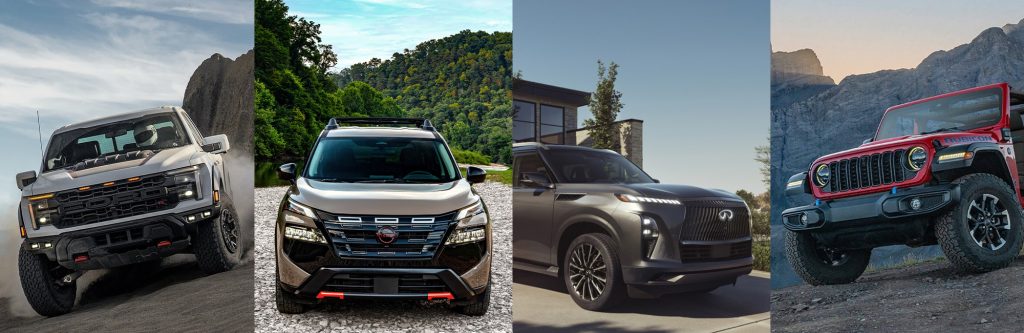
Now that your budget’s in place, it’s time to choose your car! Start by assessing your needs before comparing different car models, including new and used. Evaluate features, fuel efficiency, reliability, and resale value. New cars often come with the latest technology and warranty benefits, while used cars can offer lower prices and slower depreciation. Don’t forget to consider the value of your old car as a trade-in, which can help with how to budget for a new car. At our various Crossroads locations throughout North Carolina, we offer a wide selection of new, pre-owned, and certified pre-owned vehicles to meet every price point. Knowing how to budget for a new car up front helps narrow your choices and avoid surprises.
Step 5: Don’t Forget the Extras—Insurance, Warranties, & More
Purchasing your ride isn’t the end of it. There are more avenues you’ll have to consider for how to budget for a new car, including:
- Insurance: Varies based on driving record, location, and vehicle type. Compare providers and ask about discounts. Remember, having an insurance car budget is a smart padding to have in your driving journey.
- Extended Warranties: Adds extra protection but increases initial cost.
- Fuel: This is an inevitable component of how to budget for a new car. By selecting models that are fuel efficient or electric, you’ll notice a reduction in monthly gas expenses.
- Maintenance: How to budget for car maintenance varies because it includes routine service and the possibility of unexpected car repairs.
- Upgrades & Accessories: Tech add-ons, roof racks, or custom features can raise your final price quickly.
Why Choose Crossroads?
At Crossroads Automotive Group, we’re committed to helping you find the perfect vehicle without the pressure. With locations throughout North Carolina, we offer an expansive inventory, knowledgeable staff, and tailored financing solutions to make your car-buying journey smooth from start to finish. Visit one of our stores today to discover how simple buying your next vehicle can be.
How Loan Terms Affect Your Monthly Payment

Breaking Down Loan Term Options
Your auto loan isn’t just a number—it’s a map. The route you choose affects how quickly you reach ownership, how much you pay each month, and the total cost of credit over time, which is directly influenced by the amount of money you borrow and how it impacts interest and affordability. When it comes to loan term length, every decision is a balance between short-term savings and long-term costs. So, how do loan terms affect your monthly payment, and what should you consider before signing to ensure the loan type matches your specific need or financial situation? At Crossroads Automotive Group, we’ve guided thousands of customers through financing, and we’ve seen firsthand how the right term length can be the difference between financial stress and confident ownership.
By the end of this article, you’ll have a clear understanding of the real impact of loan duration—whether you’re leaning toward a shorter commitment or a longer stretch with lower payments. Lenders may offer a variety of loan terms, interest rates, and funding amounts, so comparing these offers is important to find the best fit for your needs.
The Basics: What Is a Loan Term?
When financing a vehicle, loan term length—measured in months or years—refers to how long you agree to make payments on your auto loan. Loan terms usually range from 24 to 84 months, and each end of the spectrum has different benefits and drawbacks.
- Short-Term Loans (24–48 months): Higher monthly payments, but lower interest costs over time. The amount you borrow is repaid over a shorter period, which reduces total interest.
- Long-Term Loans (60–84 months): Lower monthly payments, but typically higher interest paid overall. Spreading the same loan amount over a longer period increases the total interest paid.
The type of loan you choose and the repayment period both influence your interest rate and monthly payment.
Choosing between a short-term vs. long-term loan interest structure comes down to what matters more to you now—cash flow or total cost. It’s important to fully understand the repayment terms before committing to a loan.
The Cost of Credit: What You’re Really Paying
How do loan terms affect the cost of credit? It’s all about how interest works. With every car loan, you’re paying to borrow money—and that cost increases the longer the lender holds your balance. The interest rate you receive directly impacts the total cost of borrowing, as even small differences in the rate can significantly change what you pay over time.
So, do long-term loans have higher interest rates? In most cases, yes. Lenders often see long-term loans as higher risk because there’s more time for economic or personal circumstances to change. As a result, they typically charge more interest and, over time, you end up paying significantly more than the original price of the car.
For example:
- A $30,000 loan amount over 36 months at a 5% interest rate might cost you $2,362 in total interest paid over the life of the loan.
- The same $30,000 loan amount over 72 months at a 7% interest rate could run you over $6,700 in total interest.
That’s more than $4,000 in additional total interest just for taking longer to pay. A higher interest rate will increase the total interest you pay even further.
It’s important to understand how you will repay the loan, as your repayment plan and loan terms directly affect your total costs.
Why People Choose Long-Term Loans
Despite the higher cost, many buyers choose long-term loans for one key reason: lower monthly payments. A longer loan term can make monthly payments more affordable, although it increases the total interest paid over time. For those seeking lower payments, a long-term loan is an option worth considering.
But be cautious—this strategy may put borrowers at risk of owing more than their car is worth, especially in the early years when depreciation outpaces your loan payments. For some borrowers, a long-term loan may be a better fit if they need to finance larger amounts.
When Short-Term Loans Make Sense
If your goal is to build equity faster, save on interest, and own your vehicle outright sooner, a short-term loan is your best bet. Choosing a shorter loan means you’ll pay less interest overall, which saves you money over time. Short-term loans work well for borrowers who want to pay off debt quickly, as you pay less in total interest with a shorter loan. Yes, your monthly payments will be higher, but the trade-off is worth it for many drivers who want to reduce debt quickly and avoid paying thousands in interest.
And if you can afford to make extra payments each month, it makes sense for those seeking to reduce interest costs, as you can shorten the loan even further—just make sure your lender applies those payments to the principal.
Choosing the Right Path for You
There’s no one-size-fits-all answer. The right loan term depends on your budget, financial goals, and how long you plan to keep your vehicle. All relevant factors should be considered, including your financial situation, to ensure you choose the most suitable loan. Comparing lender offers is key to finding the best deal.
Here’s how to weigh your options.
- Focus on Total Cost: Look beyond the monthly payment to see what you’ll pay over the life of the loan. Compare different loan options, repayment periods, and loan repayment terms to fully understand your commitment.
- Avoid Stretching Your Budget: Don’t commit to a short-term loan option if it strains your finances—missed payments can hurt your credit more than a longer loan ever could.
- Think Long-Term: Will the car still meet your needs in six years? If not, a long-term loan option may outlast your ownership.
Financing With Confidence
Understanding how loan term length affects both your monthly payment and the cost of credit is one of the smartest moves you can make as a buyer. Whether you’re comparing short-term vs. long-term loan interest or asking if long-term loans have higher interest rates, the answer is always the same: informed decisions pay off.
At Crossroads Automotive Group, we’re here to help you choose the best financing path—whether you’re buying new or used, trading in, or refinancing. Let’s make your next auto loan work harder for you, not the other way around. Visit any of our North Carolina locations to speak with a finance expert who puts your goals first.

Getting Pre-Approved For A Loan
If you’ve ever walked into a dealership and felt overwhelmed by financing options, interest rates, or confusing terms—you’re not alone. At Crossroads Automotive Group, we’ve seen it all. But there’s a simple way to flip the script and walk in with confidence: getting pre-approved for an auto loan. Car loans are one of the most common financing methods when purchasing a vehicle.
So, should I get pre-approved for a car loan? In a word—yes. Getting pre-approved can save you time, money, and headaches by giving you a clear budget, stronger negotiating power, and peace of mind. Whether you’re buying your first vehicle or upgrading to your dream truck, pre-approval sets the tone for a better experience from start to finish. When shopping for a car, having pre-approval in hand streamlines the process and helps you focus on vehicles within your budget.
What Does It Mean To Be Pre-Approved?
Before we dive into the benefits, let’s break down how getting pre-approved for a car loan works.
Pre-approval is when a lender evaluates your financial profile and conditionally agrees to lend you a specific amount for a vehicle purchase. It’s not a guarantee, but it gives you a reliable estimate of what you can afford—along with an idea of your potential interest rate.
It’s important to understand the difference between auto loan pre-qualification and pre-approval. Auto loan pre-qualification is an initial, non-binding process that usually involves a soft credit inquiry, meaning it won’t impact your credit score. Pre-approval, on the other hand, typically requires a hard credit check and represents a stronger commitment from the lender. Some lenders may use these terms interchangeably, so be sure to clarify which process you’re undergoing.
Here’s how to get pre-approved for a car loan.
- Gather your info – You’ll need proof of income, employment details, and basic personal information.
- Apply with a lender – This can be done online or in person through banks, credit unions, or dealership partners.
- Get your pre-approval letter – This outlines your estimated loan amount, interest rate, and term options.
Once you have that letter, you’re ready to shop with purpose.
Why Pre-Approval Matters
Now that we’ve covered the process, let’s answer the bigger question: is it better to get pre-approved for a car loan? Absolutely—and here’s why.
Know Your Budget: Instead of guessing what you can afford or relying on sticker prices, pre-approval gives you a realistic price range. Your down payment, estimated monthly payment, and chosen loan term all factor into your budget and overall affordability. It helps prevent emotional overspending and ensures your final payment fits comfortably into your monthly budget.
Leverage Your Buying Power: When you’re pre-approved, you’re seen as a serious buyer. Having a pre-approved loan increases your negotiation power at dealerships, positioning you similarly to a cash buyer who can negotiate more effectively on price and terms. Sales teams know you’re ready to make a deal, which often puts you in a better position to negotiate price, incentives, and trade-in value.
Avoid Surprise Interest Rates: One of the biggest pain points for buyers is finding the perfect car—only to realize the financing doesn’t match. Pre-approval gives you the opportunity to compare offers and compare rates from multiple lenders, helping you secure the best interest rate, the most competitive auto loan rates, and the best loan for your needs. Reviewing different loan offers during pre-approval can also help you find a better interest rate and more favorable loan terms. Pre-approval gives you a clearer picture of the rate you’ll qualify for before emotions enter the equation.
Save Time at the Dealership: With financing already lined up, you can streamline the process and save time at the dealership. Having approvals in advance, like a pre-approved auto loan, means you can spend more time comparing vehicles—and less time in the finance office. At Crossroads Automotive Group, we’re all about making the process easier, and pre-approval is one way to speed things up.
But Does Pre-Approval Affect My Credit?
Pre-approval usually involves a soft credit check, which doesn’t impact your score. However, pre-approval may involve a soft credit inquiry, but the official application will require a hard credit pull or hard credit inquiry, which can temporarily lower your credit score. If you apply with multiple lenders within a short period, it typically counts as one inquiry on your credit report, minimizing the impact on your credit score. Multiple hard inquiries made within a short window are generally treated as a single event for credit scores. Before applying, it’s important to review your credit reports and credit history, and check your credit to ensure all information is accurate and to improve your chances of approval. Still, this is a normal part of financing and shouldn’t scare you off from doing your research early.
Empower Your Purchase
Still wondering, should I get pre-approved for a car loan? Think of it this way: would you go house hunting without knowing your mortgage budget? Probably not. A car may not be as big of an investment as a home, but it still impacts your finances in a major way. Pre-approval puts you in control from the very start.
At Crossroads Automotive Group, we make it easy to explore financing options that fit your lifestyle—before you ever step foot on the lot. Whether you’re shopping in North Carolina, our finance teams are ready to help you get pre-approved and on the road with confidence.
Let’s make your car-buying experience faster, smarter, and less stressful. Start your pre-approval online today or visit your nearest Crossroads location for personalized support.

Car Loan Rates for New and Used Vehicles
When you shop for your next car with Crossroads Automotive Group, understanding how new vs. used car interest rates work is just as important as picking a trim or color. Car buyers who know the key difference between a new car loan vs. used car loan can match their budget, lifestyle, and personal finance goals more easily to the right vehicle. In this article, we’ll explain how loans work, what shapes the Annual Percentage Rate, and how your financial situation and car-buying journey influence your options for car ownership.
Many drivers wonder how new vs. used car interest rates affect the total cost of a vehicle over the life of the loan. While new car loans can sometimes come with lower interest rates, used car loans may pair slightly higher interest rates with a lower price, which changes the total amount you pay. When you understand how interest rates connect to your credit score, trade-in value, and loan structure, it becomes easier to make informed decisions about your next vehicle.
How Lenders Compare Rates on New and Used Vehicles
When you apply for financing with Crossroads Automotive Group, lenders start by considering whether you are shopping for a new vehicle or exploring used vehicles. That single distinction drives much of the new vs. used car interest rates conversation, as lenders evaluate risk differently for new and used car loans; a key difference in how they design loan offers and auto loan options.
Your credit score, income, and current debts all help determine whether you qualify for a lower rate or face higher interest rates. Shoppers with good or excellent credit usually qualify for more competitive rates, while a first-time buyer may pay more until they build a stronger credit history. Many new car buyer profiles, especially those with stable records on accounts such as a credit card or car insurance, can qualify for flexible terms that make new vs. used car interest rates look especially appealing on new car loans.
It’s common for car buyers to ask, “Is it easier financing a new or used car?” With Crossroads Automotive Group, the answer depends on your overall financial situation and personal finance priorities. Some lenders design auto financing programs that favor new vs. used car financing, while others are more open to used car financing if the vehicle is newer in model year and has strong resale value. By reviewing average interest rate charts and current rates with our team, you can see exactly how new vs. used car interest rates change from one lender to another.
Why New Vehicles Often Have Lower APRs
New vs. used car interest rates often tilt toward new vehicles because they are considered less risky. A new vehicle generally carries a higher sticker price, but it also comes with factory coverage that helps manage repair, wear-and-tear, and maintenance costs in the first year. Because these models typically hold stronger resale value in tools like Kelley Blue Book, lenders are more comfortable offering lower interest rates and even special APR promotions for certain model-year options.
Manufacturers sometimes pair new car loans with promotional auto loan options that feature competitive rates and flexible terms. When you compare those offers to new vs. used car interest rates on similar vehicles, the combination of a lower rate and incentives can reduce total interest over years of ownership. Even with a higher sticker price, the total cost can stay manageable if you structure the loan carefully and avoid stretching into higher monthly payments that strain your budget.
New vehicles also offer the latest features, technology, and safety features that many drivers want in a dream car. For shoppers who plan a long span of years of ownership, the rapid depreciation that occurs early on matters less, especially when new vs. used car interest rates are favorable. Choosing a shorter loan term can keep the life of the loan aligned with your goals while you enjoy peace of mind from warranty coverage and predictable maintenance schedules.
What To Expect From Rates on Used Vehicles
Used vehicles often carry higher interest rates than new models, largely because there is more uncertainty around wear and tear and repair costs. However, the lower sales prices of used models can offset the new vs. used car interest rate differential for many buyers with Crossroads Automotive Group. A reduced car cost and lower price mean you may finance a smaller total amount, which can keep both total interest and monthly payments in check.
When you explore used-car financing, vehicle history reports, like those provided by CARFAX®, become vital. These reports show whether a previous owner maintained the vehicle, if major accidents occurred, and how the odometer has climbed over time. Clean vehicle history reports and strong resale value estimates can reassure both you and the lender, which may narrow the spread between new vs. used car interest rates. Crossroads Automotive Group can also help estimate trade-in value on an old car, which effectively reduces the amount you need to finance on your next car.
Shoppers should also factor in additional fees and any third-party products they consider. Rolling extra warranties, protection plans, or fees into the loan can change the way new vs. used car interest rates affect your total cost. Some drivers choose to pay for certain items separately rather than putting them on a credit card or folding them into financing, especially if they want to keep new vs. used car interest rates focused solely on the vehicle’s price.
Looking Beyond APR: Term Length And Total Cost
While comparing new vs. used car interest rates is important, it is only part of the picture. The structure of the loan, including term length and down payment, plays a big role in your total cost over time. A lower rate on a very long term can still generate more total interest than a slightly higher rate set on a shorter loan term.
Using an auto loan calculator from Crossroads Automotive Group can help you see how new vs. used car interest rates affect your budget in real numbers. You can adjust down payment amounts, test a shorter loan term versus a longer one, and see how lower monthly payments compare to options that focus on faster payoff. This tool helps translate new vs. used car interest rates into clear projections of monthly obligations and total interest for the entire life of the loan.
For some shoppers, the right choice is the structure that keeps cash flow comfortable with lower monthly payments. Others prefer to prioritize a quicker payoff, even if that means accepting higher monthly payments for a while. By balancing new vs. used car interest rates with your income, savings, and other goals, you can align financing with your broader car-buying journey and long-term plans.
Choosing Between New And Used With Crossroads Automotive Group
Deciding between new and used comes down to matching new vs. used car interest rates and pricing to your priorities. If you want the latest technology, the latest features, and a fully customizable experience, a new vehicle can be a good idea. Promotional programs can pair current rates with flexible terms, making it easier to design a payment plan that fits your lifestyle while you enjoy that new car feeling from the driver’s seat.
On the other hand, many shoppers find that used models offer a strong value play, especially when depreciation rates have already slowed. A carefully selected used vehicle can feel like a good deal when you combine a lower price with reasonable new vs. used car interest rates and solid ownership history. For buyers who are rebuilding credit or shopping for their first-time purchase, used car loans may present auto loan options that keep car costs down while still delivering the space, performance, and features they want.
In either case, Crossroads Automotive Group is here to walk through how new vs. used car interest rates intersect with model year, mileage, and years of ownership. We help you look at total cost, from fuel and maintenance costs to expected repair costs and car insurance, so you can see how each option supports your personal finance goals. That way, when you pick your next vehicle, you’ll know you have considered every key difference that could affect your budget and day-to-day car ownership.
How We Help You Compare Options
Crossroads Automotive Group makes it easy to navigate new vs. used car interest rates by pairing clear explanations with real numbers. Our finance team reviews your credit score and credit report with you, then shows how various loan offers from our network translate into actual payments. You can compare auto financing programs for both new car loans and used car financing side by side, seeing how new vs. used car interest rates and additional fees change your total amount financed and total interest paid.
We also help you evaluate auto loan options from our partners and any third-party lenders you might be considering, always keeping your financial situation and personal finance objectives in focus. Using our in-store and online tools, you can explore how new vs. used car interest rates will feel over the life of the loan before you sign anything. Whether you are trading in an old car, shopping as a new car buyer, or planning an upgrade to your next car, our goal is to keep every step clear.
From your first questions about new vs. used car interest rates to the moment you choose the right choice for your next vehicle, Crossroads Automotive Group works to keep you informed and comfortable. When you are ready to move toward your dream car, you will be able to step into the showroom knowing exactly how loans work, how to weigh higher prices against a lower rate or lower price against higher interest rates, and how each decision shapes your long-term car ownership experience. Visit us today at our dealerships across North Carolina and South Carolina!

A Broader Perspective On Vehicle Equity
Equity in your vehicle is the subtle but powerful financial element influencing every car-related decision, whether you’re purchasing, trading in, refinancing, or making a full sale. It impacts your bargaining strength, how quickly you can upgrade when life shifts, and your confidence to sell outright rather than trade. But what is positive equity on a car, and how does it shape your purchasing potential? At Crossroads Automotive Group, we assess hundreds of vehicles annually and consistently see that customers who grasp how equity works often gain thousands more in savings, lower interest rates, and significantly better financing options. By the time you finish reading, you’ll clearly understand what positive equity is on a car loan, and how it can turn every trip into buying power you can use. Stop by any of our locations across North Carolina to start maximizing your equity today!

Understanding Positive Equity and Why It Matters
So, what is positive equity on a car? It’s the difference between your vehicle’s current market value and what you still owe on your auto loan. Take this example: your Ford F-150 is worth $30,000, and your loan balance is $25,000—that means you have $5,000 in positive equity. That $5,000 is yours to use as a down payment for your next vehicle, to secure better refinancing terms, or to keep in your pocket if you sell the vehicle yourself.
Now, if the situation is flipped, and your vehicle is worth $21,000 and the loan is still $28,000, you’re dealing with negative equity, meaning you owe more than the car is worth. In this case, rolling negative equity into a new loan can increase your overall debt, so it’s wise to proceed with caution. When the car’s value and the loan amount are equal, that’s called breaking even. Ideally, you want your car to have positive equity before selling or trading it in to avoid financial loss.
Clarifying Positive Equity on an Auto Loan
Auto loans fluctuate over time. With every monthly payment, your principal and interest decrease, gradually lowering your remaining balance. Meanwhile, the car’s value typically drops, affected by factors like age, mileage, and market trends. What is positive equity on a car? It develops once your loan payoff amount becomes less than the vehicle’s current value. When your loan balance shrinks quicker than your car depreciates, you reach positive equity on a car. Understanding how this works will help guide you in making better financial decisions as a car owner.
How to Determine If You Have Positive Equity
How do you know if you have positive equity on a car? Knowing where you stand can significantly influence your success in a sale or trade-in situation. Here’s how to find out.
- Determine Your Car’s Value: Use reliable resources like Kelley Blue Book or Edmunds to get a realistic estimate for trade-in or private sale.
- Check Your Auto Loan Balance: Contact your lender or check your online account for the current amount you owe.
- Calculate Your Equity: Use this formula to find out where you stand:
Car’s Market Value – Remaining Loan Balance = Equity
If the result is positive, you’ve got positive equity on a car, but if it’s negative, don’t worry. There are steps you can take to improve your situation. Use tools like Kelley Blue Book or our online trade tool to get a fair assessment of your vehicle’s value.
Steps to Build Positive Equity Faster
Every driver’s path is unique, but several proven tactics can help you gain positive equity on a car more quickly. It’s not a mystery, it’s about smart decisions and disciplined repayment. Knowing how to leverage that equity gives you a real edge when it’s time to upgrade or refinance.
- Make a Larger Down Payment: Putting more money down initially reduces your loan amount and helps you stay ahead of early depreciation.
- Opt for a Shorter Loan Term: Although longer terms lower your monthly payment, they often come with more interest over time. Shorter terms help you pay more toward the principal, building equity faster.
- Skip Unnecessary Add-Ons: Financing extras like warranties or accessories raises your loan total but doesn’t increase the car’s actual value.
- Make Additional Payments: Small extra payments of even $50 a month or so can reduce your balance faster. Just ensure your lender applies those payments to the principal amount.
Ready to Leverage Your Car’s Equity?
Understanding what positive equity on a car is empowers you to make smarter, more strategic financial choices, and to avoid setbacks that can cost you in the long run. Knowing your vehicle’s equity status is one of the most advantageous positions you can be in when buying, selling, or trading a car. At Crossroads Automotive Group, we’re here to help you take control of your automotive finances. Whether you’re shopping, selling, or just considering your next move, we’ll ensure every mile you drive adds to your long-term value. Visit any of our North Carolina locations and let’s turn positive equity on a car into opportunity.
What Is Negative Equity On A Car?

Navigating Negative Equity In Auto Loans: Strategies For Car Owners
When the amount owed on a car loan exceeds the vehicle’s current market value, the owner is considered to have negative equity, commonly referred to as being “upside down” on the loan. This situation can arise due to rapid depreciation, minimal down payments, or extended loan terms. Addressing what negative equity is on a car is crucial to avoid financial strain and to make informed decisions when you’re considering trading in or selling your ride. Throughout North Carolina, Crossroads Automotive Group proudly serves its customers, and we’re prepared to help you manage negative equity for your vehicle in order to streamline the trading process. Visit any of our stores to get started today!

Strategies to Manage and Reduce Negative Equity
What is negative equity on a car? Simply put, this is when a car’s depreciation outpaces the loan repayment. For instance, if your vehicle is worth $15,000 but the outstanding loan balance is $18,000, you have $3,000 in negative equity. This imbalance can result from factors such as long loan durations, low initial down payments, or high mileage, all of which can accelerate depreciation and hinder equity accumulation. To mitigate the effects of negative equity, you can start by making extra payments whenever possible to help pay down the principal faster. If your credit has improved or rates have dropped, refinancing the loan could be a smart move, potentially lowering your interest rate and the total amount paid over time. You might also opt for a shorter loan term, which accelerates equity buildup even further, though it may come with higher monthly payments. And when it’s time to trade in, consider purchasing a less expensive vehicle to help minimize the amount of what gets rolled into your next loan. Understanding what negative equity is on your car can guide you in choosing the most effective strategies to reduce your financial burden and improve your overall loan situation.
Evaluating the Best Way to Trade In a Car With Negative Equity
Trading a car with negative equity requires careful consideration. While dealers may offer to pay off the existing loan, it’s essential to understand the terms. Often, “What is negative equity on a car?” is a question that arises in this context, as the negative equity is rolled into the new loan, increasing the overall debt and monthly payments. In order to confidently navigate this process, visit our website and make use of our trade appraisal tool, which will give you a competitive and fair value based on the car’s current market value. You can also use Kelley Blue Book or Edmunds to estimate this, and compare it with the remaining loan balance to calculate the negative equity. If your negative equity is too high, it might be more prudent to delay the trade-in until the loan balance decreases or to pay off the negative equity out of pocket to avoid increasing the new loan amount for your next ride.

How Much Negative Equity Can I Roll Over?
After valuing your trade, you now have an idea of what negative equity is on your car. This value can be rolled over into a new loan, but it varies by lender and individual circumstances. While some lenders may allow the entire negative equity to be incorporated into the new loan, others may have restrictions or require the borrower to cover a portion up front. This is why it’s essential to review the terms of your loan for full transparency. You can also negotiate these terms to minimize the amount rolled over and reduce the impact on the new loan. Ensure that the new loan terms, including any rolled-over negative equity, are manageable within your budget. Get in touch with your nearest Crossroads dealer throughout North Carolina to get a tailored solution for what the negative equity is on your car.
How to Sell a Car With Negative Equity
Let’s go over the roadmap you’ll want to use on how to navigate what negative equity is on a car. While what you owe on your ride is more than it’s worth, you can still navigate selling it. First, determine the payoff amount by contacting your lender directly in order to have a clear picture of what’s needed to settle the loan. Next, estimate the car’s market value to know what buyers might realistically pay. Do this with our comprehensive valuation tool online or with one of our dealers, or other reputable services like Kelley Blue Book or Edmunds. If the sale price is less than the loan balance, be prepared to cover the difference out of pocket to close the deal smoothly. If you absolutely need to, consider a private sale, which still helps reduce the gap between what you owe and what you earn. Remember, understanding what negative equity is on a car empowers you to make smarter, more confident choices as you navigate your next move.
Manage Your Negative Equity Today
Dealing with what negative equity is on a car’s auto loan requires a strategic approach to minimize financial impact. Managing a car loan when the vehicle’s value drops below the amount owed can be challenging, but there are effective strategies to navigate the situation. Start by staying informed about loan terms, market value, and financing strategies to help you make confident, financially sound decisions. With careful planning and smart budgeting, it’s possible to reduce your debt over time and avoid falling into the same situation with your next vehicle. Visit any of our stores throughout North Carolina to get started on selling your car with understanding what negative equity is on a car!
Commercial Vehicles That Qualify For Section 179

Maximizing Savings for Your Business with Section 179
Managing a fleet of commercial vehicles can be a complex task, but with the tax advantages of the Section 179 deduction, you can simplify the process and maximize your savings. This provision allows your business to deduct a large portion, or even the full cost, of eligible equipment purchases, including commercial vehicles. By lowering your taxable income, you can boost your cash flow and reinvest those savings into growing your business. At Crossroads Automotive Group, we recognize that business owners across the nation are always looking for ways to improve operations, lower expenses, and invest in valuable assets. To take advantage of Section 179 for your Ford, Nissan, INFINITI, Chrysler, Dodge, Jeep, or Ram vehicle, they must meet certain requirements, such as being used for business purposes at least 50% of the time. Contact the friendly team at any of our stores throughout North Carolina to start saving with Section 179 today!

What Is Section 179?
Before exploring the specifics of qualifying vehicles, it’s essential to understand what Section 179 is and how it works. Section 179 of the U.S. tax code allows businesses to deduct the full purchase price of qualifying equipment, including vehicles, in the year they are purchased and put into service. This deduction can dramatically reduce your taxable income, resulting in lower overall tax liability. Normally, businesses would need to depreciate these assets over several years, but Section 179 is designed to encourage businesses to reinvest in themselves by allowing you to accelerate this deduction in the first year, up to specific limits. Let’s take a look at some benefits you can expect from Section 179 vehicle deduction.
Boosted Cash Flow: By writing off the full cost of a Section 179 vehicle in the current tax year, businesses can potentially receive a larger tax refund or reduce the taxes owed.
Easier Upgrades: Section 179 allows businesses to purchase new vehicles, ensuring that your fleet remains modern, efficient, and competitive while simultaneously maximizing tax savings.
Improved Budgeting & Tax Benefits: Instead of adhering to long-term depreciation schedules, business owners can focus on making strategic decisions and reinvesting their tax savings into other areas of the business.
The Role of Gross Vehicle Weight Rating
The Gross Vehicle Weight Rating of a vehicle plays an important role in determining whether it qualifies for Section 179. A GVWR of over 6,000 lbs. but under 14,000 lbs. are ideal Section 179 vehicles, as they’re considered heavy-duty vehicles essential to business operations. They may also be eligible for the heavy vehicle tax deduction if they meet certain criteria. While cars and small SUVs typically have a GVWR under 6,000 lbs., they won’t qualify for the maximum benefit, but Section 179 vehicles over 6,000 lbs., including pickup trucks, some mid-size and large SUVs, and cargo vans would. The bottom line is, if you want to maximize the benefits of Section 179 vehicles, ensure that your fleet is used for business purposes at least 50% of the time, verify the weight classification, and have all of the paperwork properly filed.
Vehicles That Qualify for Section 179
Across each brand that Crossroads Automotive Group specializes in, you can discover different cars that qualify for Section 179. Let’s take a look at some popular models from them.
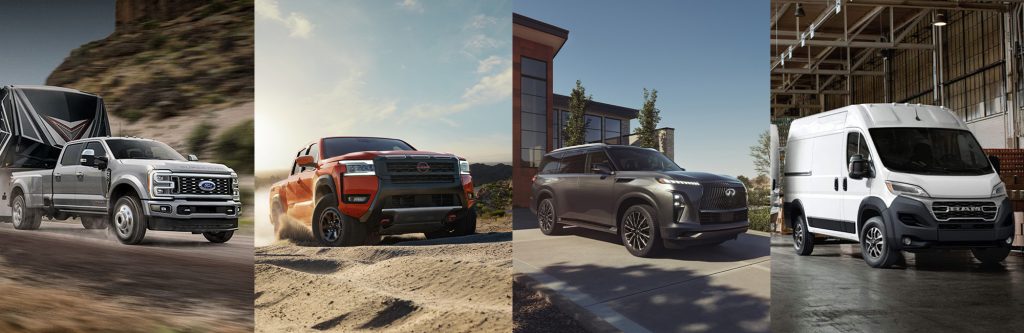
Ford: Known for its durable F-Series trucks and versatile cargo vans, Ford is at the forefront of optimizing their vehicles for commercial use. Models like the Ford F-150, Super Duty, Medium Duty, and Ford Transit all surpass the 6,000 lb. GVWR threshold, making them ideal vehicles for Section 179 deductions.
Nissan: These vehicles can help businesses maximize tax savings while boosting operational efficiency. Section 179 Nissan vehicles may include the Nissan Armada for your transportation needs, while the Nissan Frontier optimizes the job site thanks to its efficiency in towing and payload capacity
INFINITI: For a touch of luxury, Section 179 vehicles also apply to INFINITI’s lineup. The INFINITI QX60, while under the 6,000-lb. minimum weight to reap the most benefit from this program, has the potential to be used for your business purposes. Meanwhile, the large INFINITI QX80 allows you to save all that you can while serving the demands of your customers in style.
Chrysler, Dodge, Jeep, & Ram: Explore more Section 179 vehicles from Stellantis brands to keep your business operating efficiently. Models like the spacious Chrysler Pacifica and Ram ProMaster vans, and the road-ready Dodge Durango provide you with transportation services. On the flipside, some trucks that qualify for Section 179 include the off-road Jeep Gladiator, and powerful Ram Heavy Duty trucks for all your rugged work needs.
Consult a Tax Professional
At Crossroads Automotive Group, we stay updated on Section 179 regulations, but our primary role is to help you find the right vehicle for your business. Since tax laws are subject to change and each business has unique financial needs, we strongly recommend consulting a certified public accountant or tax professional. They can confirm which vehicles qualify, explain deductions you can receive, and help you avoid issues if your vehicle’s usage patterns or weight classification don’t align with IRS requirements. A tax expert will also help you understand how Section 179 can impact your taxable income and overall tax planning strategy.
Upgrade Your Fleet Today
For business owners, understanding Section 179 and how it can benefit your bottom line is crucial for making informed investment decisions. By choosing a vehicle that meets the IRS’ weight and usage criteria for Section 179, you can improve your cash flow and support your business’ growth in a competitive environment. Crossroads Automotive Group invites you to explore our selection of Section 179-eligible vehicles across our dealerships in North Carolina. Our commercial sales team is ready to help you find the perfect model to elevate your business operations. Visit one of our stores today!

The Key To Efficiently Manage Your Fleet
Maintaining a fleet of commercial vehicles is no easy feat. Whether you manage a few trucks or an extensive fleet, ensuring their efficiency, reliability, and cost-effectiveness is crucial. At Crossroads Automotive Group, we understand the complexities involved in keeping your vehicles in top shape. As a trusted dealer of Ford, Nissan, INFINITI, Chrysler, Dodge, Jeep, and Ram vehicles across North Carolina, we’ve created this guide to help you streamline your business’ fleet maintenance management strategy. We’ll cover the best practices and processes needed to keep your fleet running smoothly. If you’re interested in upgrading your fleet, visit us for a test drive at any of our locations today!

What Is Fleet Maintenance Management?
Fleet maintenance management is the organized approach to keeping company vehicles in peak operating condition. This includes preventative, corrective, and predictive maintenance aimed at minimizing vehicle downtime, reducing repair costs, and enhancing safety for drivers and passengers. Efficient fleet maintenance management is vital for businesses that rely on vehicles for daily operations, as it helps avoid breakdowns, improves fuel efficiency, and reduces overall costs.
The Fleet Maintenance Process
A well-structured fleet maintenance process ensures that all vehicles are serviced on schedule, reducing the chances of unexpected breakdowns and costly repairs. To streamline this process, fleet maintenance software is invaluable, helping organize service schedules, prevent unexpected downtimes, and ensure compliance with safety standards. Effective fleet maintenance management is key to achieving these goals, and you’ll play an essential role in overseeing operations. This includes scheduling maintenance, controlling costs, optimizing asset usage, and ensuring safety.
Preventative Maintenance: Routine inspections and services to avoid breakdowns.
Corrective Maintenance: Addressing issues as they arise.
Training Drivers: To minimize wear and tear, your drivers should be trained in the best driving practices such as smooth acceleration, braking, avoiding excessive idling, and promptly reporting issues before they escalate.
Tracking & Reporting: Leveraging technology to track maintenance history, repair expenses, reminders for upcoming services, fuel efficiency, and driver behaviors that could affect vehicle performance.
Compliance & Safety: Ensuring vehicles meet industry regulations and safety requirements.
Proactive fleet maintenance management is vital in preventing costly repairs. You should establish regular maintenance schedules for each vehicle model based on manufacturer guidelines, covering tasks like oil changes, tire rotations, brake checks, and fluid top-offs. Additionally, factors such as vehicle usage, driving conditions, and mileage should be recorded for accurate maintenance tracking. Seasonal conditions should also be factored into the timing of maintenance tasks.
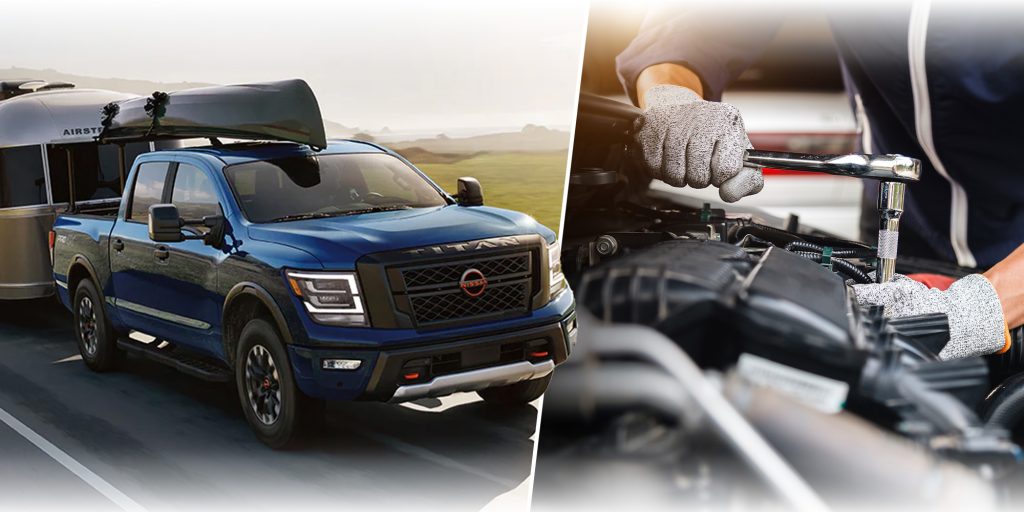
Implement Standard Inspection Procedures
Whether it’s daily or weekly, routine vehicle inspections help catch minor problems early. A standardized checklist might include:
- Tire pressure and tread depth
- Fluid levels (oil, coolant, brake fluid, transmission)
- Brake functionality
- Lights and signaling systems
- Battery condition
These are important fleet maintenance management strategies that you and your drivers should be trained to handle and address.
If you’re managing a fleet in need of some truck fleet maintenance management practices, you’ll want to consider inspecting components such as:
- Suspension System
- Alignment and Wheel Balancing
- Fuel System
- Cooling System
- Drive Belts and Timing Belts
- Differentials and Axles
- Chassis and Frame Inspection
- Towing Equipment and Hooks
Best Maintenance Management Practices
When you’re overseeing the operations of your fleet, you always want to make sure that you have the best of the best. Whether it’s parts or drivers, fleet maintenance management should be handled professionally with the highest level of standards in order to serve your customer base and increase your business’ reputation.
Invest in High-Quality Replacement Parts: Using OEM parts ensures the compatibility and durability of your fleet. Though aftermarket parts may seem like a cheaper option initially, they often lead to premature failures and additional repair expenses.
Monitor Fuel Efficiency and Expenses: Fuel costs are a significant expense in fleet management. Monitoring fuel consumption helps identify vehicles that may need maintenance due to poor fuel efficiency, detects inefficient driving habits, and prevents fuel card fraud. Implementing telematics systems and fuel monitoring technology can help optimize fuel usage and boost overall fleet performance.
Safety First in Fleet Maintenance: Ensuring safety is a top priority in fleet management. A strong fleet maintenance program should focus on vehicle safety, ensuring vehicles are safe to drive and that drivers are trained to handle potential safety issues. Inspections, fleet maintenance management, and compliance are crucial to maintain safety standards at all times
Get Your Fleet Maintenance On Track
Employing fleet maintenance management strategies guarantees consistent service and expert repairs. It’s fundamental to a successful business operation to ensure that your fleet receives the necessary care for improved efficiency, safety, and a stronger financial outlook. At Crossroads Automotive Group, we offer you peace of mind that your vehicles are in expert hands, from repairs to sound advice. With proactive fleet maintenance management, your drivers and your vehicles will remain reliable, cost effective, and road ready every step of the way. Schedule your service appointment at any of our North Carolina locations today!
Financing Your Fleet: Simple, Flexible Solutions

A Comprehensive Overview Of Leasing Fleet Vehicles For Your Financing A Fleet Of Vehicles For Your Business
If you’re ready to embark on business expenditures that require vehicles, utilizing commercial fleet financing is an ideal solution for businesses without straining their working capital. This type of financing acts as a long-term rental agreement, allowing your company to purchase or lease a fleet of vehicles at once. With commercial fleet financing, you can maintain cash flow while still investing in essential business vehicles, providing you with an effective and flexible alternative to traditional financing methods. Crossroads Automotive Group is here to guide you through commercial fleet financing solutions from our various stores located throughout North Carolina. Contact us to get started!

Fleet Financing & Business Operations
Commercial fleet financing is a crucial factor for businesses that rely on vehicles to carry out their daily operations. With the right financing in place, companies can ensure their vehicles are always available and reliable when needed. Fleet financing helps maintain cash flow, reduce fleet costs, and boost productivity by saving money on maintenance and repairs, while alleviating the financial burden of owning multiple vehicles. Additionally, it offers valuable tax benefits, including depreciation and interest deductions. When considering different financing options like operating and finance leases, it’s essential to work with providers who can help optimize your tax strategy, navigate tax regulations, and maximize savings for your business.
The application process for commercial fleet financing is simple and straightforward, making it easier than ever to secure the right deal for your business. To ensure you get the best offer, it’s a good idea to shop around and compare different financing options. You can approach banks, credit unions, and online lenders individually, or streamline the process by using a broker who can introduce you to a range of fleet financing deals from various lenders. Typically, the application will require you to provide some financial information, business details, and vehicle specifications, helping you get the financing you need with ease.

Types of Fleet Financing Options
When considering fleet auto loans, businesses have several commercial fleet financing options to choose from, each with its own advantages and considerations. It’s essential for businesses to assess their specific needs, financial situation, and long-term goals to determine the most suitable approach for acquiring and managing their fleet.
Outright Purchase: This option involves paying the full purchase price of vehicles upfront, granting immediate ownership and eliminating ongoing payments. While it offers full control and potential cost savings over time, it requires significant capital investment and may impact cash flow.
Leasing Options: Leasing allows businesses to use vehicles for a set period, typically with the option to return, renew, or purchase at the end of the term. This approach provides flexibility and lower initial costs but may result in higher long-term expenses and no ownership equity.
Asset-Based Financing: This method leverages company assets, such as equipment or real estate, to secure funding. It enables businesses to access capital without diluting equity, making it suitable for expansion or purchasing equipment.
Line of Credit: A revolving line of credit offers businesses access to funds up to a predetermined limit, which can be drawn upon as needed. This flexible commercial fleet financing option is ideal for managing cash flow, financing inventory, or handling unexpected expenses.
Government Financing Programs: Various government grants and loans are available to support businesses, including those in the transportation sector. These programs can provide financial assistance for purchasing vehicles, offering favorable terms and conditions.

Options Available From Each Brand
Whichever selection of vehicles you decide to equip your business with, it’s important to review the commercial fleet financing requirements from each of our brands that are necessary to ensure business success.
Ford: FordPro offers tailored financing solutions designed to help your business efficiently manage your fleet needs, with flexible options to purchase or lease vehicles while optimizing cash flow and minimizing operational costs. Your nearest Crossroads Ford location will be happy to provide you with more information!
Nissan: Visiting Crossroads Nissan of Wake Forest allows you to access Nissan’s Business & Fleet Program. Whether you’re overseeing more or less than 15 vehicles, a Commercial Sales Manager will help fulfil your business goals.
INFINITI: If you decide to drive INFINITI models for your business purposes, you can contact our Crossroads INFINITI dealers for commercial fleet financing options. If leasing aligns more with your goals, then check out the INFINITI SignatureFLEX® Lease Program for savings on your next fleet.
Chrysler, Dodge, Jeep, & Ram: By utilizing the Business Lending option by Stellantis Financial Services, you can optimize a line of credit starting at $250,000 for business purchase or lease financing. A prime example of truck fleet financing is the Ram Professional program, offering everything your rugged lineup requires from service to warranty. Our Crossroads CDJR dealers are on standby to answer any questions you have.
Common Fleet Financing Mistakes
When applying for commercial fleet financing, it’s important to avoid common mistakes that can impact your business in the long run.
Shop around for the best financing offers: Compare options from different lenders to find the most favorable terms for your business.
Consider the total cost of ownership: Factor in all costs, including maintenance, insurance, and interest, to get a true picture of what you’ll be paying.
Evaluate the provider’s reputation and experience: Choose a provider with a proven track record and expertise in fleet financing.
Do your research: Never assume—take the time to fully understand your financing options and the providers you’re considering.
Read and understand the fine print: Carefully review the details of the agreement to avoid any hidden surprises down the line.
Choose a provider who helps optimize your strategy: Select a provider who offers support in navigating the complexities of fleet financing.
Your Destination for Business Success
Commercial fleet financing offers various options that can greatly benefit your business if approached thoughtfully. By considering factors like cash flow, fleet costs, and purchasing power, you can make well-informed decisions. It’s important to choose providers that offer flexibility, tax benefits, and strong customer support. By avoiding common mistakes and evaluating financing options carefully, you can optimize your fleet financing strategy and position your business for long-term success. Contact the dealers at Crossroads Automotive Group to help you get started on commercial fleet financing today!

